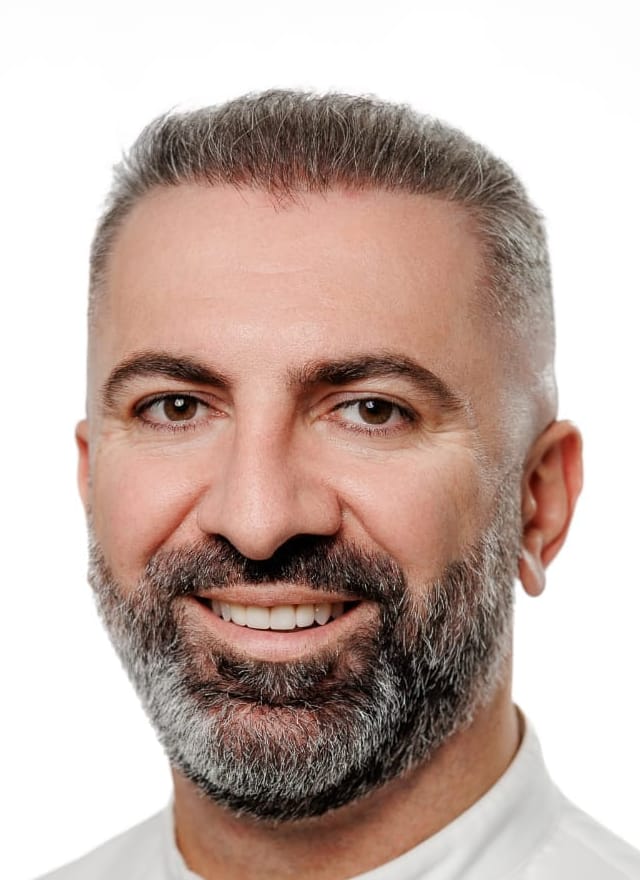
Dentist & dental technician · Dubai
Clinical insight.Technical precision.Natural‑looking smiles.
A DHA-licensed General Dentist who trained first as a dental technician. He plans each restoration from both sides: how it should look and work in your mouth, and how it will be designed, made and fitted.
In his words
A dentist usually sees only what happens in the mouth. I see the whole process: how it's made in the lab, how it's built.
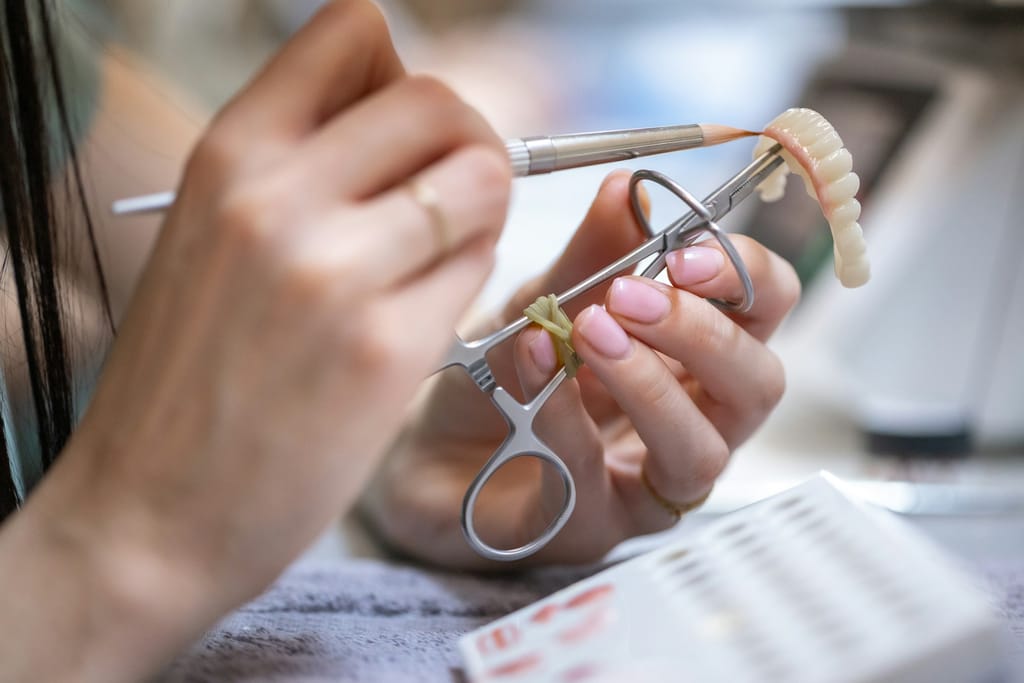
Two professions
Trained at the bench, then in the chair.
He qualified as a dental technician in 2003 and as a Doctor of Dental Medicine in 2011. The two experience figures are counted separately and overlap in time.
- 2000–2003Dental Technician DiplomaSaint Petersburg Medical College No. 3
- 2005–2011Doctor of Dental MedicinePavlov First Saint Petersburg State Medical University
- 2025Scientific presentationDigital versus conventional technologies in implant prosthodontics
- Languages8 languagesEnglish · Arabic · Russian · Spanish · German · Turkish · Azerbaijani · French
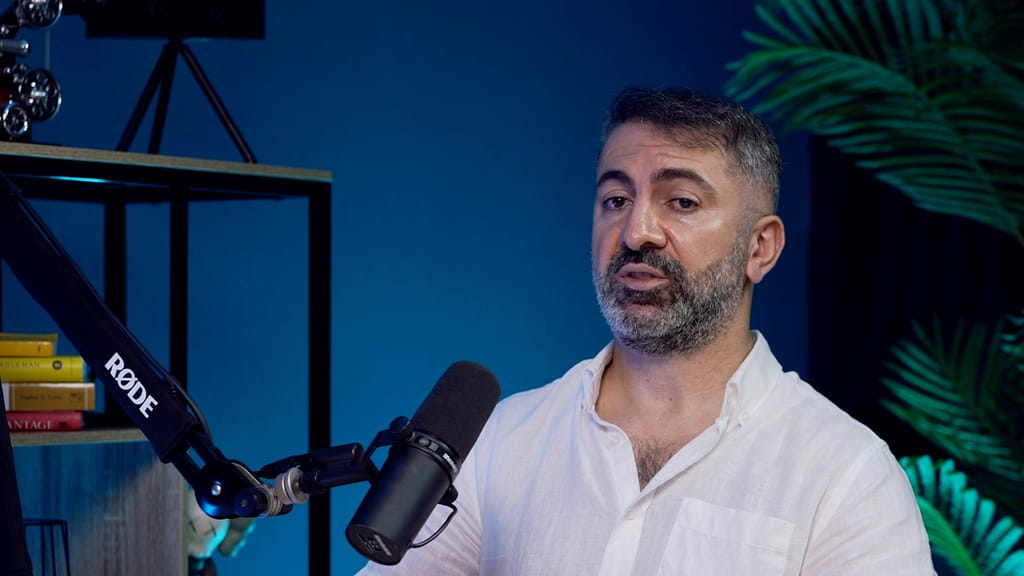
Podcast · Saelix Podcast
From the lab to the chair.
Dr Abbasov talks about starting as a dental technician, why he became a dentist, and how seeing both sides shapes his work. In Russian, with English subtitles.
In this conversation Dr Abbasov describes single-visit crowns. Whether one visit is suitable, and how long it takes, depends on a clinical assessment; complex cases may need more than one appointment. How same-day care works
Read the transcript
From the episode's English subtitles, a translation of the Russian conversation. Questions are the host's.
- HostWhere did your journey in dentistry begin?
- Dr AbbasovLike everyone, I had a toothache. They pulled my teeth, and it really hurt. I asked my dentist if it could be done without pain. And he said: grow up, become a dentist, and do it painlessly yourself.
- HostWhy did you first train as a dental technician?
- Dr AbbasovSo I went to college to train as a dental technician. Once I qualified as a technician, I found the courage to apply to university.
- HostWhen did you realise you wanted to be a dentist?
- Dr AbbasovWhen I was spending day and night in the lab, working a lot as a technician. And the most let's say, unfair part: I made things with my hands, but never saw the patients' emotions.
- HostWhat was hardest on the road from technician to dentist?
- Dr AbbasovWorking and studying at the same time. It was very hard to find time to study. And I had to keep working, because I couldn't stop my practice.
- HostDoes your technician experience help you as a dentist?
- Dr AbbasovOh, it helps very, very much, because I see the whole picture. Not just that. A dentist usually sees only what happens in the mouth. I see the whole process: how it's made in the lab, how it's built. How it… These are the things that will affect the bite in the future.
- HostDoes it give you a different sense of aesthetics and of treatment?
- Dr AbbasovDirectly. Without a technician's knowledge, I probably wouldn't see half of what I see.
- HostWhich area of dentistry interests you most today?
- Dr AbbasovProsthodontics, that is, restorations. Veneers, crowns and so on, and also partly surgery, which I find very interesting.
- HostWhat can you say about digital technology in dentistry?
- Dr AbbasovDigital technology has made dentistry much easier for doctors, especially for someone like me, who came from the lab, because right in the clinic we make crowns. We call it single visit. And the patient leaves with a new tooth just two or three hours later.
- HostWhat kind of doctor do you want to be for your patients?
- Dr AbbasovMore than anything, I want to be a friend to my patients. Simply a good companion. And then I'll solve all their problems.
- HostAnd the final one: If you had to start over today, would you choose dentistry again?
- Dr AbbasovDefinitely, because I've tried other fields, like business and so on. What I do best is treating people.
Produced and first published by the Saelix Podcast. Featured here with the producer's footage. Episode page
Treatments
Restorations planned for function and appearance.
Each page explains what an assessment considers, the stages involved and the limitations, so you arrive at your consultation informed.
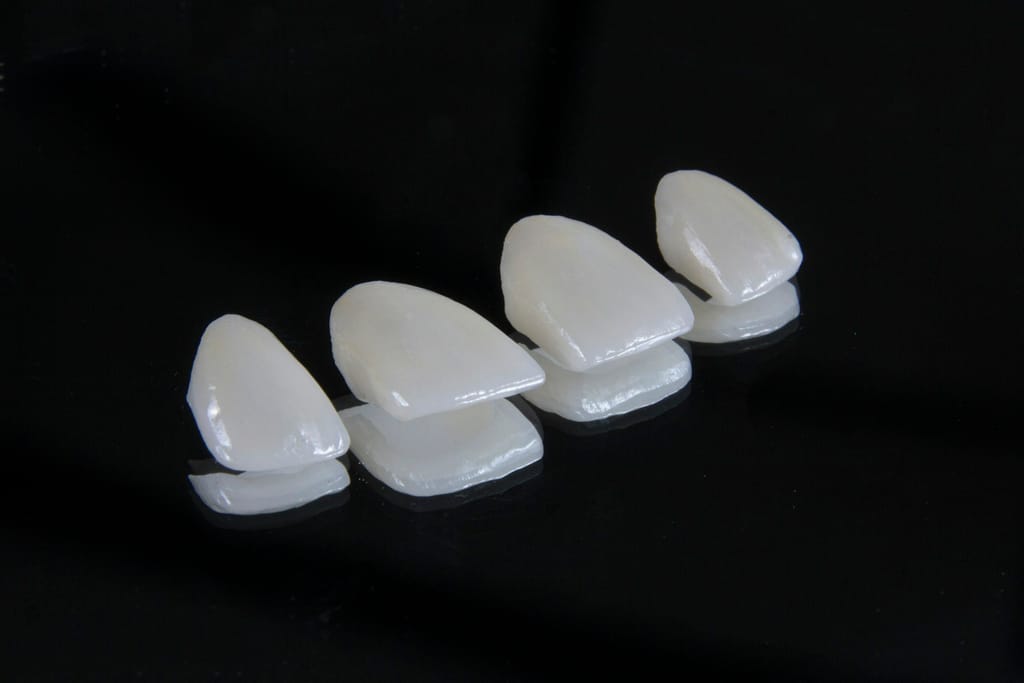
Aesthetic treatment
Porcelain veneers
Thin ceramic layers bonded to the front of teeth to refine shape, colour and proportion where the tooth beneath is sound.
Explore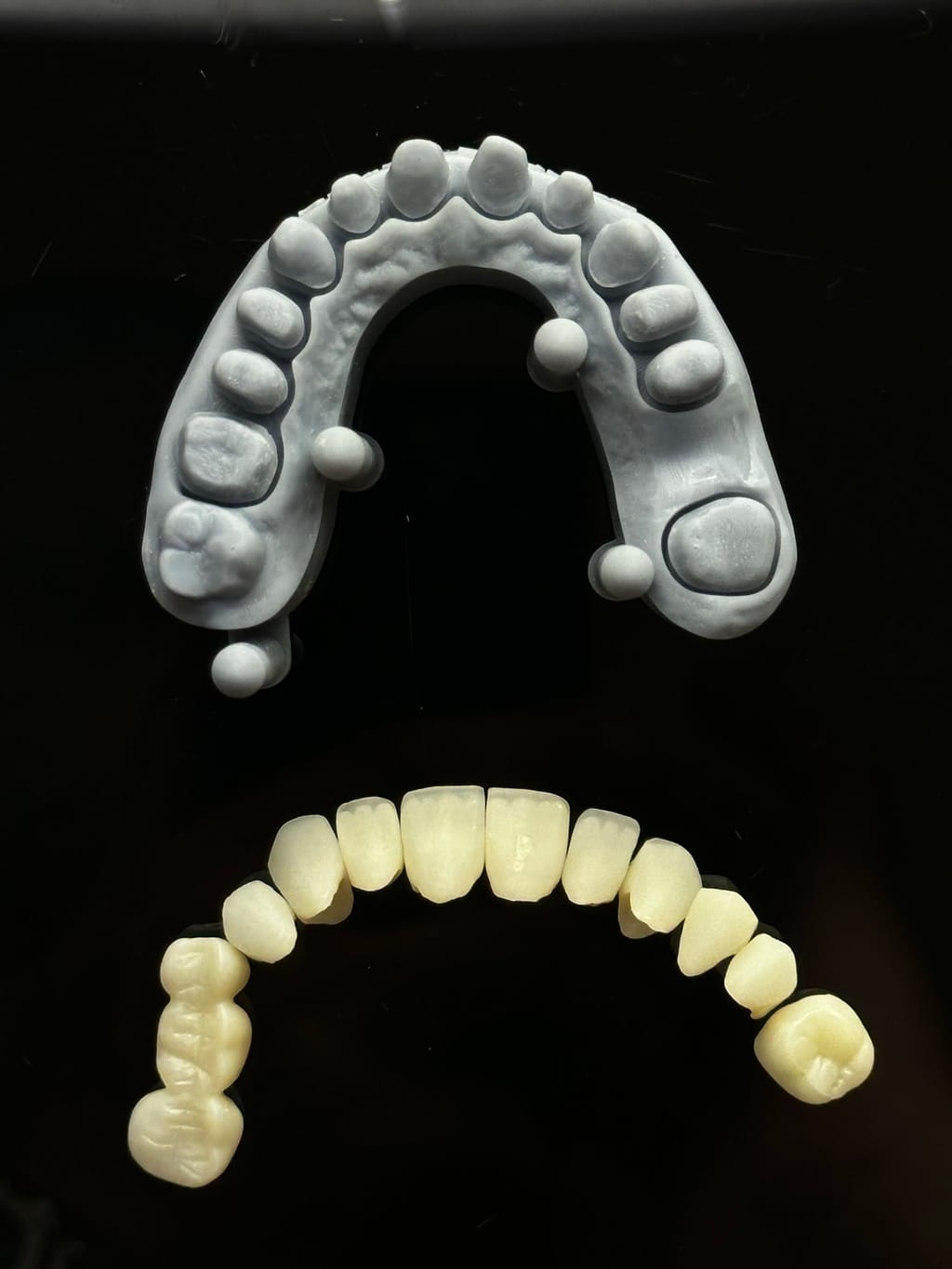
Restorative treatment
Dental crowns
Restorations that cover the whole visible tooth, often discussed when decay, fracture or large fillings have weakened it.
Explore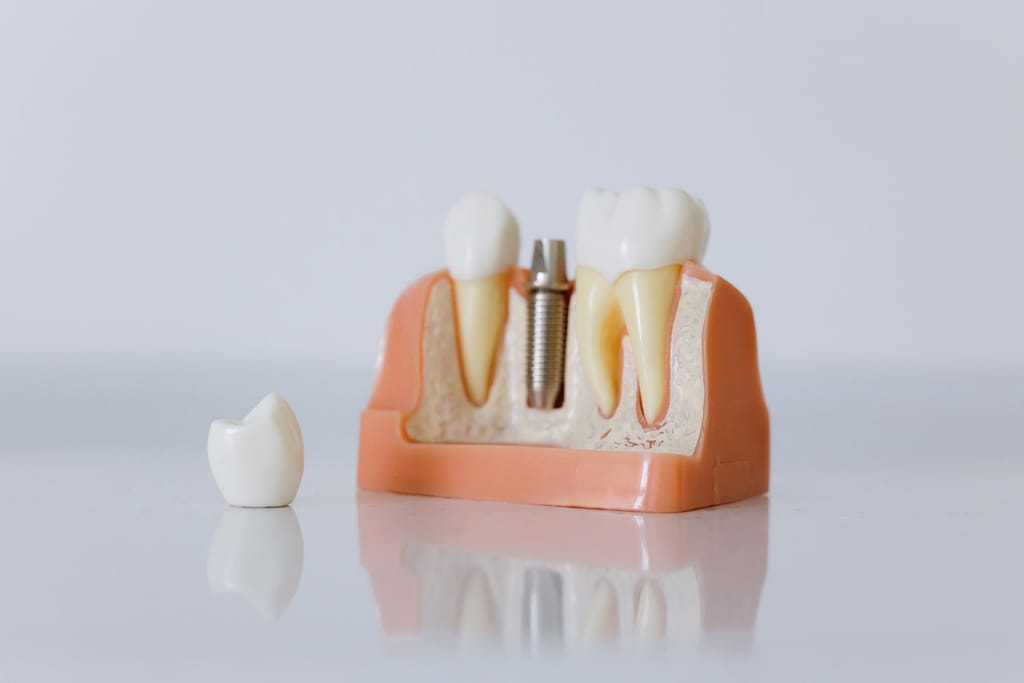
Restorative treatment
Implant-supported restorations
The crowns, bridges and prostheses that attach to dental implants, planned with the final teeth in mind from the start.
Explore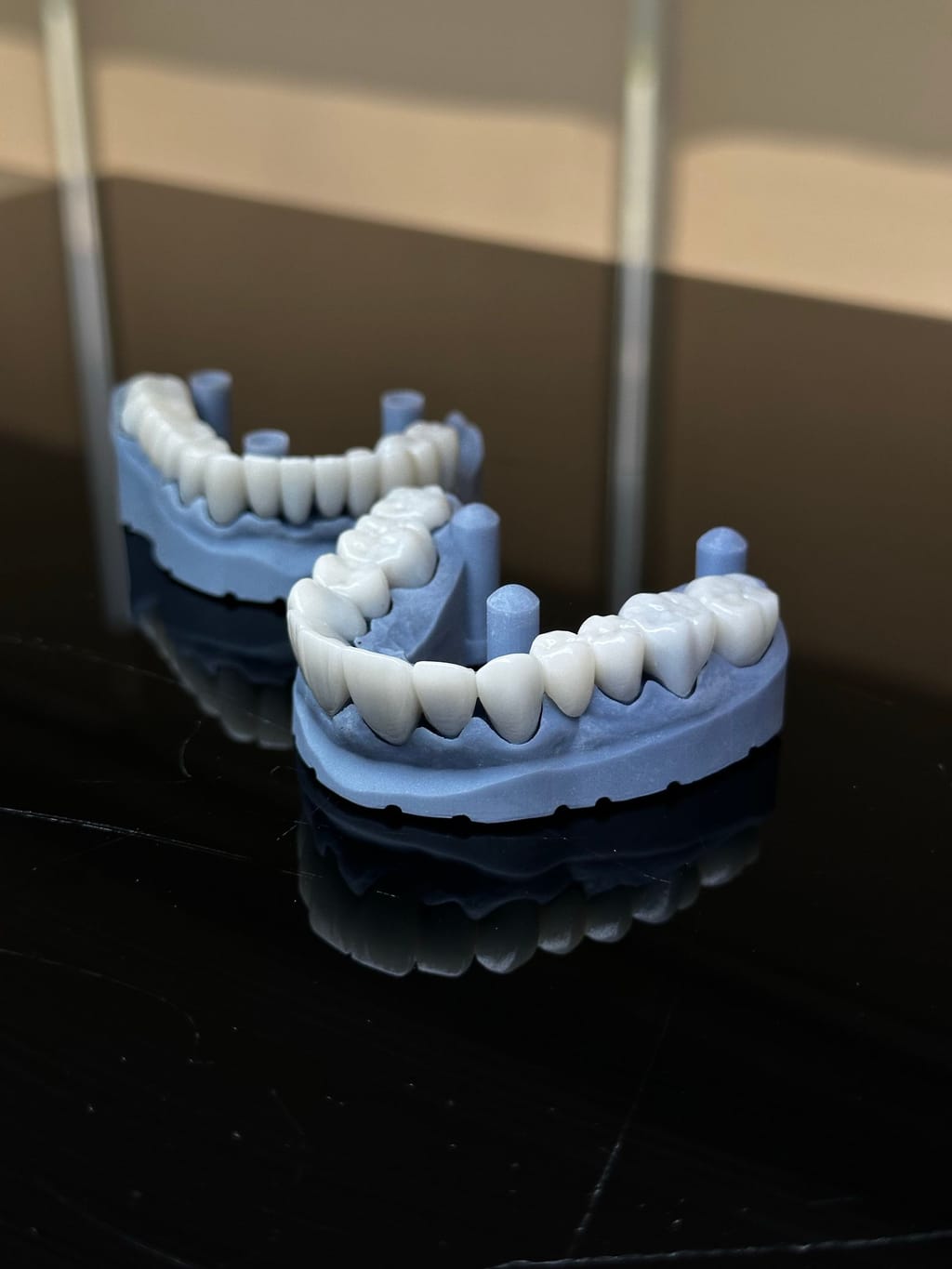
Comprehensive care
Full-mouth rehabilitation
A staged, comprehensive plan for restoring many teeth, the bite and appearance together, built in phases over time.
Explore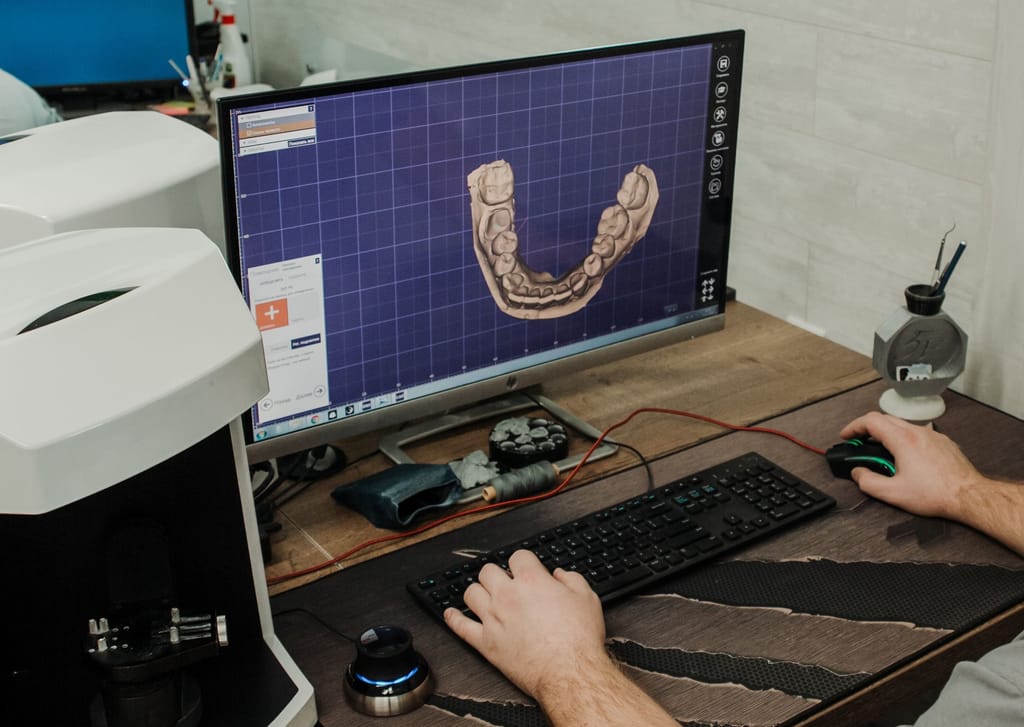
Treatment planning
Digital smile design
How photographs, scans and smile proportions are used to plan and preview changes before treatment, and what a preview can and cannot show.
Explore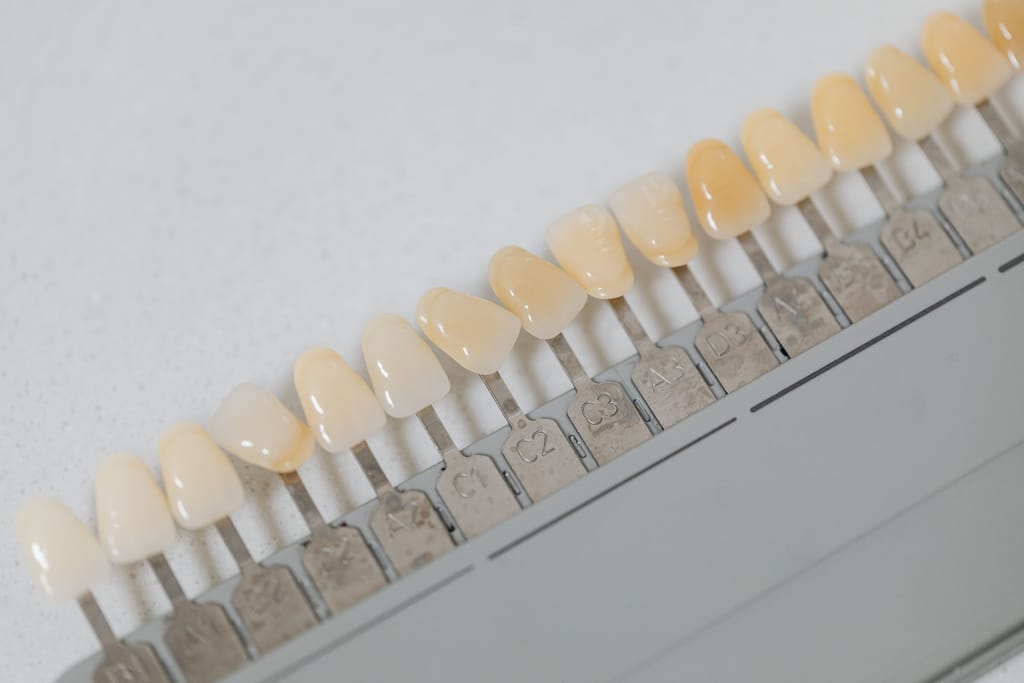
Treatment
Aesthetic restorative dentistry
How treatment options are chosen: health first, conservative options considered early, and function and appearance planned together.
Explore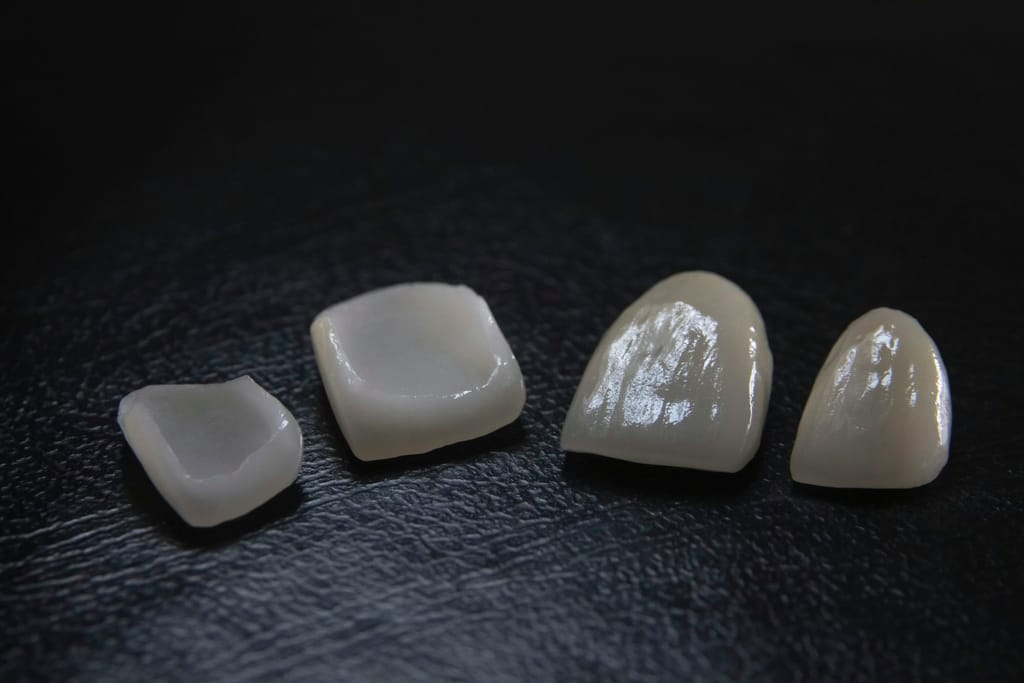
Same-day treatment
Same-day veneers
Who may be considered for a one-visit veneer, what has to be decided first, and when a second appointment is the better plan.
Explore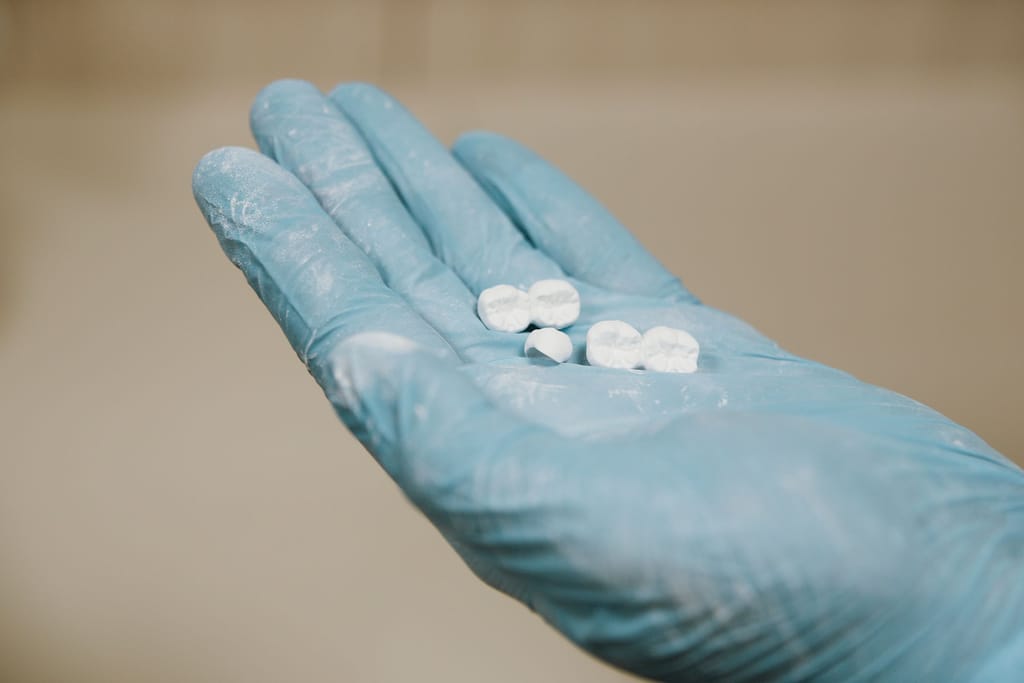
Same-day treatment
Same-day crowns
When a crown may be prepared, milled and fitted in one visit, what has to be checked first, and why some teeth need more appointments.
ExploreAll treatments, and how veneers, crowns and implant restorations compare
Digital workflow · same-day in selected cases
From scan to restoration, sometimes in one visit.
Selected veneers and crowns may be designed, fabricated and fitted in one visit following clinical assessment; complex cases may need more than one appointment. Step through each stage to see what is decided.
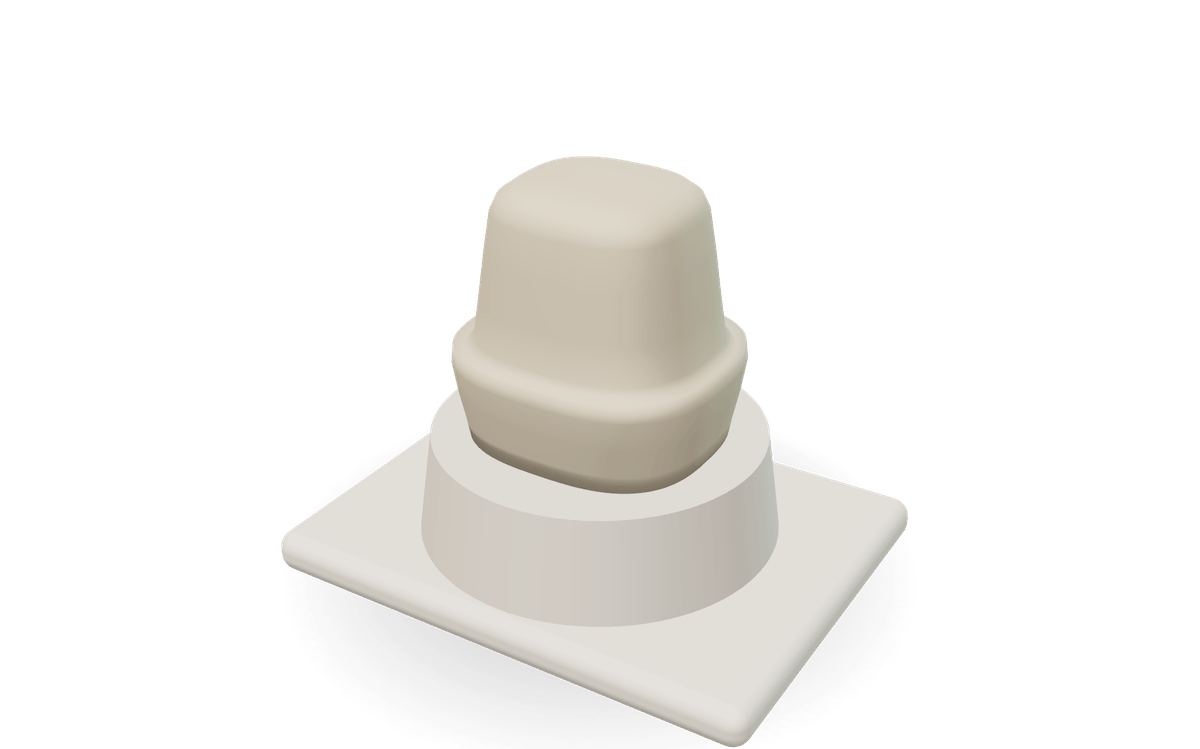
Educational sequenceConceptual model, not a patient scan or a timed procedure.
Assessment
Every digital workflow starts with a clinical examination, not a scan. The dentist looks at the health of the teeth and gums, how the bite works and what you would like to change. X-rays or photographs may be taken where they help answer a specific question.
- Clinical consideration
- Is the tooth, gum and bite healthy enough to support the restoration being considered?
- Technical consideration
- What material, thickness and design approach would the planned restoration need?
Intraoral scan
A small wand is moved around the mouth and captures many images that software stitches into a three-dimensional model. The model can be checked on screen straight away, and any gaps in the data can be rescanned. Where a scan cannot capture an area reliably, a conventional impression may be used instead.
- Clinical consideration
- The area must be dry and the edges of the prepared tooth clearly visible for the scan to be accurate.
- Technical consideration
- The scan needs complete, distortion-free data at the margins and on the opposing teeth to design a good fit.
CAD design
Using computer-aided design (CAD), the restoration is shaped to fit the prepared tooth and to meet the neighbouring and opposing teeth. Shape, contact points and thickness are adjusted before anything is made. The design reflects decisions made at assessment rather than a default template.
- Clinical consideration
- The design must respect the bite, the gum line and how the tooth will be cleaned.
- Technical consideration
- Minimum material thickness, margin position and contact strength are set to suit the chosen ceramic.
Fabrication
Computer-aided manufacturing (CAM) turns the design into a physical restoration, often by milling it from a solid block of ceramic. After milling, the restoration is adjusted, polished and glazed or fired as its material requires. Some restorations are better made in a dental laboratory, for example when layered ceramics are needed.
- Clinical consideration
- The choice of where and how to fabricate depends on the case, not on convenience alone.
- Technical consideration
- Each material has its own finishing steps, such as polishing, glazing or a crystallisation firing.
Try-in and fit
The restoration is tried on the tooth to check the margins, contacts, bite and colour. Small adjustments are made where needed, and it is then bonded or cemented. If something is not right, it can be adjusted further or remade.
- Clinical consideration
- The bite is checked in several jaw movements so the new restoration does not overload the tooth.
- Technical consideration
- Fit at the margins and the final surface finish affect how well the restoration lasts and how easily it is cleaned.
Questions
Useful to know.
General answers only. Your dentist will explain what applies to you.
What is Dr Abbasov's professional role?
He is a DHA-licensed General Dentist. He also holds a Dental Technician Diploma and has more than 23 years of experience in dental technology. His practice focuses on aesthetic and restorative dentistry and digital workflows. Education and experience
Can a veneer or crown be completed in one visit?
In selected cases. Some veneers and crowns may be designed, fabricated and fitted in one visit following clinical assessment. Complex cases may need more than one appointment, and the assessment decides which pathway is appropriate. How same-day care works
What is the difference between a veneer and a crown?
A veneer is a thin ceramic layer bonded to the front of a tooth and mainly changes how it looks. A crown covers the whole visible part of a tooth and is often discussed when a tooth has lost more structure. Compare restoration types
What does an implant-supported restoration involve?
It is the crown, bridge or prosthesis attached to a dental implant: the part you see and bite with. Dr Abbasov focuses on this restorative side, planned together with the implant as part of a coordinated treatment plan. Implant-supported restorations
What happens after I send a consultation request?
The team will contact you by the method you choose to arrange a time. A request is not a confirmed appointment, and you don't need to send medical details, X-rays or photos through the website.

Visiting Dubai
Planning treatment from abroad?
Send an enquiry before you travel. The team can explain how assessment and planning work, and what can realistically fit around your stay.
EnglishArabicRussianSpanishGermanTurkishAzerbaijaniFrench