Technology
In-clinic milling
In-clinic milling means producing a restoration within the practice by carving it from a solid block of ceramic, guided by a computer design. It shortens the distance between design and fit, but it is not the right route for every case.
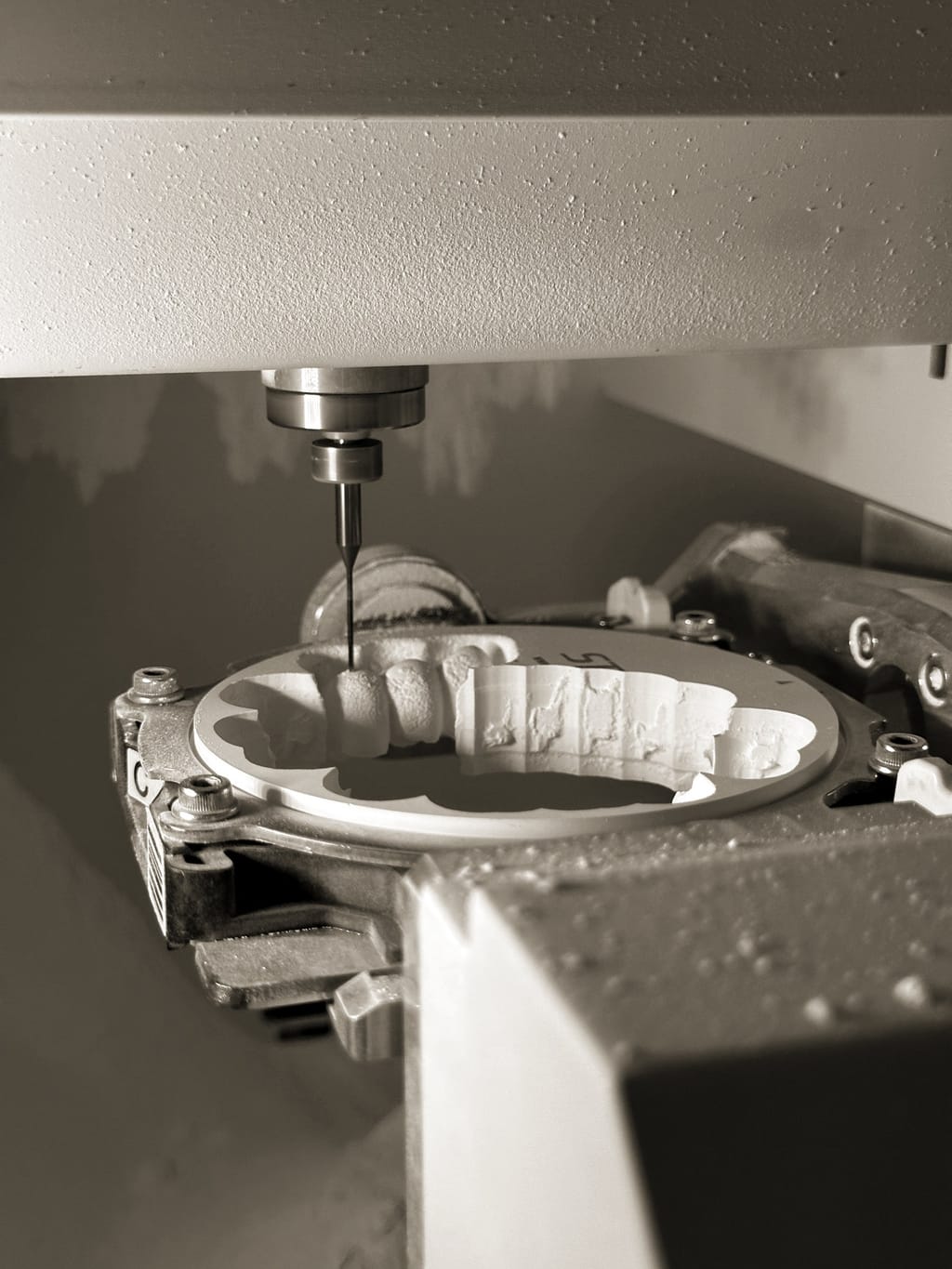
How milling works
Milling is a subtractive process. A pre-made block of restorative material is held in a compact milling unit, and small diamond-coated tools remove material until the shape of the design remains. The tools follow instructions generated from the CAD/CAM design.
Because the block is manufactured under controlled industrial conditions, the material is uniform throughout. Blocks are available in different shades and translucencies, and some have gradual colour transitions built in so that the edge of a tooth can look lighter than the body.
From block to finished restoration
Material and shade selection
A block is chosen to suit the strength needed in that position and the colour of the surrounding teeth.
Milling
The restoration is shaped from the block according to the design. Fine details are limited by the size of the milling tools.
Checking and adjustment
The milled restoration is inspected and tried on the tooth. Contacts, fit and bite are checked and refined.
Characterisation
Where appropriate, stains are applied to add subtle colour effects such as warmer areas near the gum.
Glazing, firing or polishing
Depending on the material, the surface is glazed, fired or polished to a smooth finish. Some ceramics are milled in a softer, intermediate state and then need a crystallisation firing to reach their final strength and colour.
Bonding or cementing
The finished restoration is fitted to the tooth using a technique suited to the material.
What in-clinic milling can suit
Whether milling is appropriate is decided case by case, following clinical assessment.
Single crowns
Particularly on back teeth, where strength and fit matter more than complex colour layering. See dental crowns.
Onlays and inlays
Partial restorations that replace a section of a tooth while preserving more of the natural structure.
Selected veneers
Where the colour of the underlying tooth and the aesthetic goal can be met with a single-block ceramic.
Interim restorations
Temporary crowns or veneers may also be milled from suitable materials while a final restoration is being made.
What it may not suit
Milling is not always the appropriate route. Large bridges, full-arch work and complex full-mouth rehabilitation usually involve staged planning, trial restorations and laboratory fabrication.
In some aesthetic cases, especially front teeth where neighbouring natural teeth show deep colour variation, a laboratory technician layering ceramic by hand may still be preferred. Layering builds colour and translucency in stages, which a single block cannot always reproduce. Very discoloured teeth, very thin preparations and certain bite patterns can also make milling less suitable.
Clinical and technical considerations
Dr Elchin Abbasov has more than 23 years of experience in dental technology, alongside over 15 years of clinical experience. Milling decisions draw on both.
Clinical view The dentist
- Is the tooth healthy and the gum settled enough to fit a final restoration at this visit?
- Does the bite place heavy loads on this tooth, for example from grinding?
- Is the colour of the prepared tooth beneath likely to show through the ceramic?
- Is there enough tooth structure for the restoration to be bonded securely?
Technical view The technician
- Does the chosen block offer the strength and translucency this position needs?
- Can the milling tools reproduce the internal shape and thin edges in the design?
- Does the material need a crystallisation or glaze firing, and how will that affect the final colour?
- Would a layered laboratory restoration give a more natural result for this tooth?
Milling and same-day restorations
Because design and milling can both happen within the practice, in-clinic milling is what makes same-day restorations possible in selected cases. This is decided following clinical assessment, and complex cases may need more than one appointment. The same-day dentistry page and the guide to understanding same-day care explain how that decision is made.
Being technically possible does not make a single visit the preferred plan. A second appointment can give time for the gum to settle, for a trial shape to be assessed, or for a laboratory restoration to be made.
Questions you may want to ask
- Would my restoration be milled in the practice or made in a laboratory?
- What material would be used, and does it need a firing step after milling?
- How will the colour be matched to my other teeth?
- Is there any reason a layered laboratory restoration might suit me better?
Questions
Frequently asked
General answers only. Your dentist will explain what applies to you.
Is a milled restoration weaker than a laboratory one?
Not necessarily. Milled restorations are made from industrially manufactured blocks with uniform structure. Strength depends on the material, its thickness and how it is bonded. Your dentist will explain the options for your case.
Can a milled crown match my natural teeth?
Blocks come in a range of shades and translucencies, and staining and glazing can add colour effects. For some front teeth with complex colour, a layered laboratory restoration may still give a more natural match.
What is crystallisation firing?
Some glass-ceramic materials are milled in a softer, partly crystallised state, which makes them easier to shape. A controlled firing afterwards completes the crystal structure, which increases strength and develops the final colour.
Keep reading
Related information

Technology
CAD/CAM
What happens between the scan and the finished restoration: how it is designed on screen, what the design must get right and how it is made.
Explore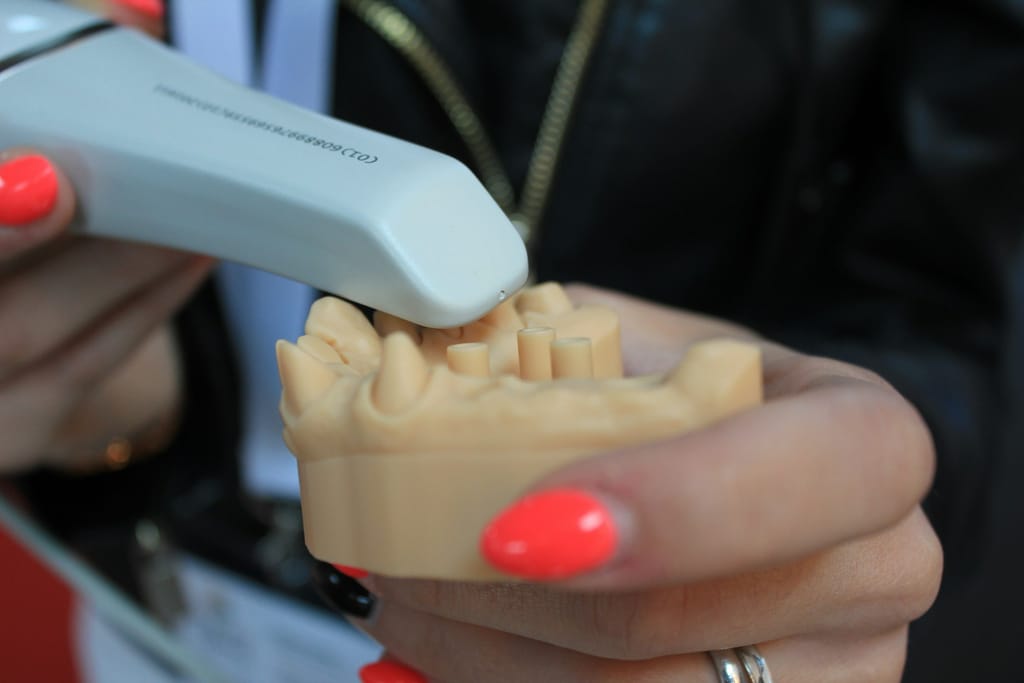
Technology
Intraoral scanning
How a digital scan of your teeth is taken, what it is used for and when a conventional impression may still be the better record.
Explore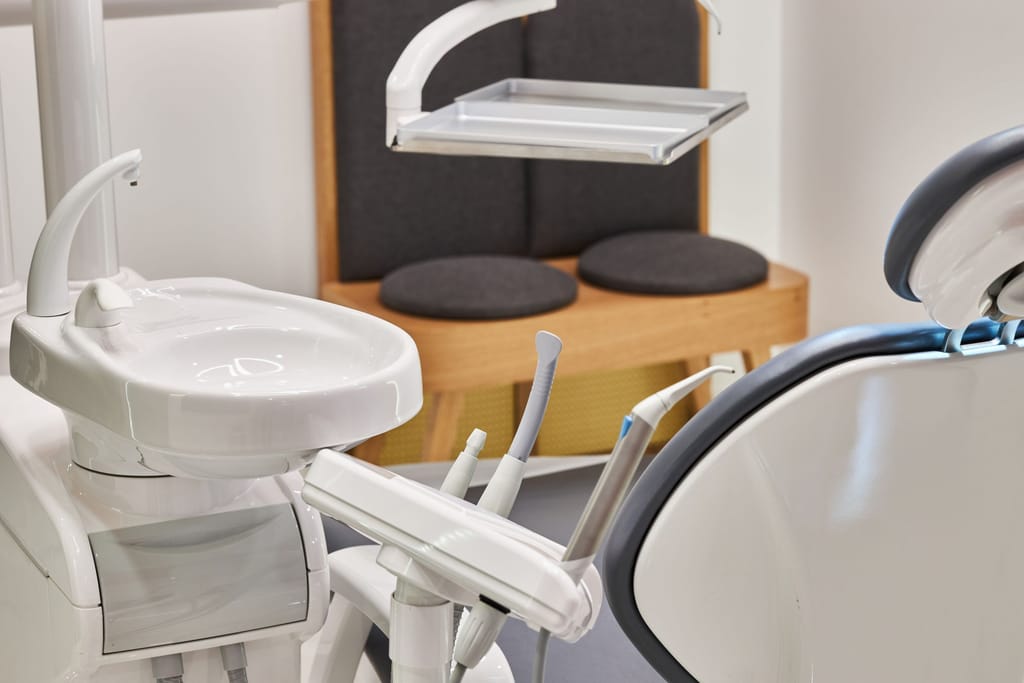
Patient resource
Understanding same-day care
What decides whether a restoration can be completed in a single visit, the trade-offs involved and questions to discuss at consultation.
Explore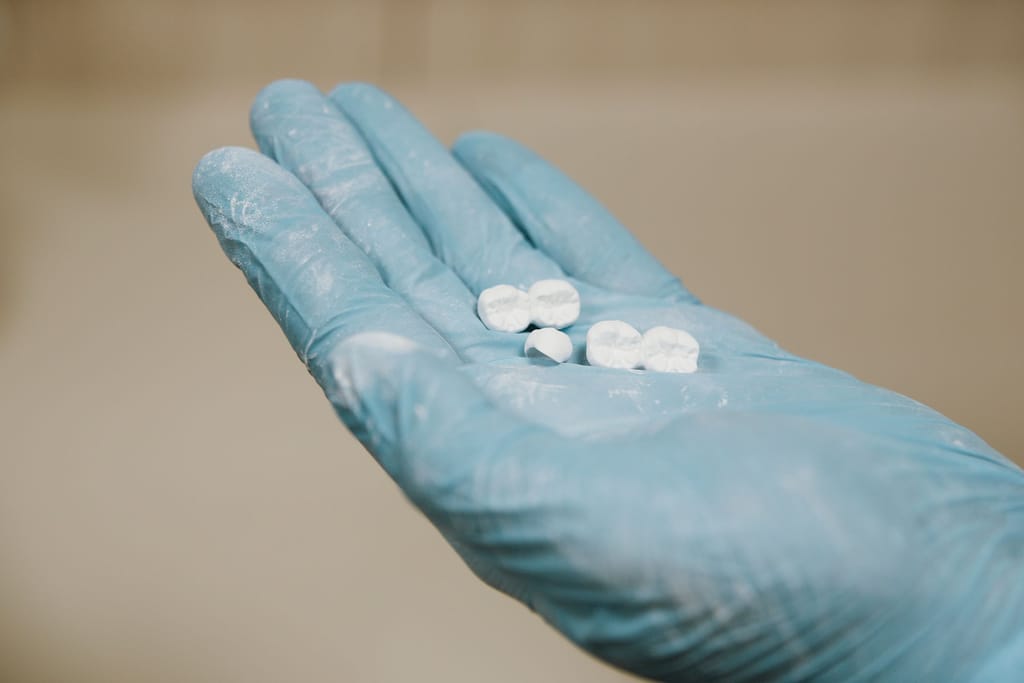
Same-day treatment
Same-day crowns
When a crown may be prepared, milled and fitted in one visit, what has to be checked first, and why some teeth need more appointments.
ExploreNext step