Restorative treatment
Implant-supported restorations
An implant-supported restoration is the crown, bridge or prosthesis that attaches to dental implants and replaces missing teeth. This page covers that restorative side: how the teeth you see are planned, designed and maintained.
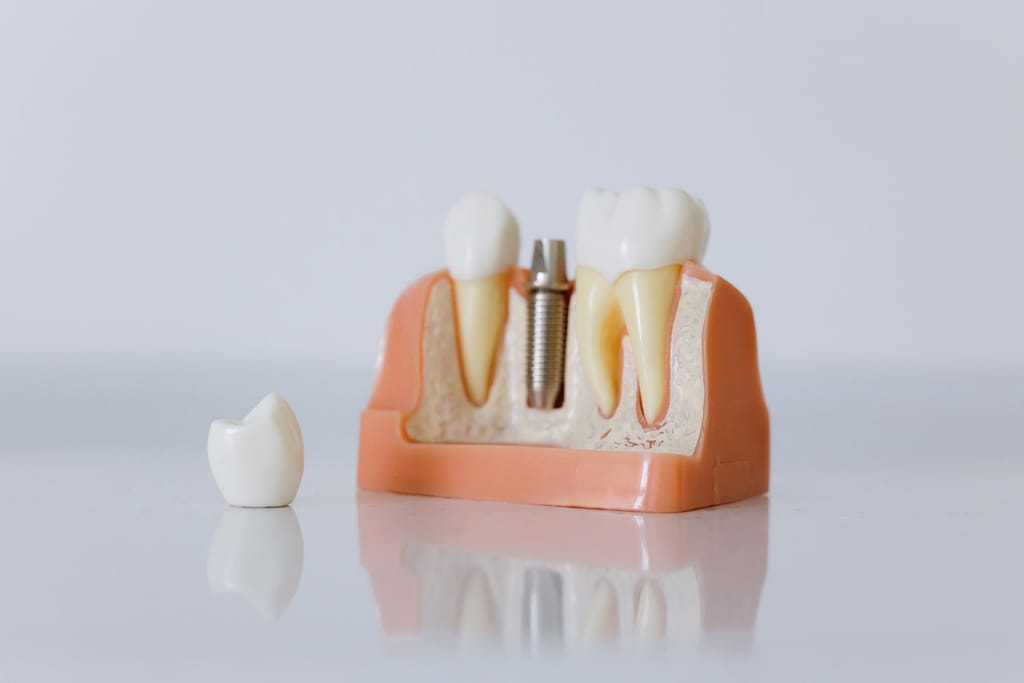
What an implant-supported restoration is
A dental implant is a small post, usually made of titanium or zirconia, placed in the jawbone to act as an artificial root. On its own it is not a tooth. The tooth you see and chew with is the restoration attached to it, usually through a connecting part called an abutment.
Restorations on implants range from a single crown replacing one tooth, to a bridge supported by two or more implants, to a full-arch prosthesis replacing all the teeth in a jaw. Some are screwed to the implant so that a dentist can remove them for maintenance; others are cemented.
Dr Elchin Abbasov's focus is this restorative side, known as implant prosthodontics. The implant itself may be placed by a suitable clinician as part of a coordinated plan, and suitability for implants is assessed before anything is decided.
What an assessment considers
Implant treatment involves surgical and restorative planning. From the restorative point of view, assessment looks at:
- Which teeth are missing or cannot be kept, and why they were lost
- Bone volume and quality at the site, assessed with appropriate imaging
- Gum thickness and health around the gap and the neighbouring teeth
- General health factors, such as smoking, diabetes or certain medicines, that can affect suitability
- The space available for the final crown or bridge, and how it will meet the opposing teeth
- How visible the area is when you smile and speak
- How easily the restoration can be cleaned at home
How treatment is usually staged
Implant treatment is normally staged over a period of time, partly because bone needs to heal around the implant. The exact sequence depends on the plan.
Assessment and records
Examination, imaging, photographs and an intraoral scan to record the teeth and gums digitally.
Planning from the final teeth
The position and shape of the final teeth are planned first, so that the implant position can be considered in relation to them rather than the other way round.
Implant placement
The implant is placed by a suitable clinician as part of the coordinated plan. Additional procedures, such as bone grafting, may be needed in some cases.
Healing
A healing period allows the implant to integrate with the bone. In some cases a temporary replacement tooth is worn during this time.
Recording and design
Once healing allows, the implant position is recorded, typically with a scan, and the abutment and crown, bridge or prosthesis are designed.
Fitting and review
The restoration is fitted, the bite is checked and cleaning is explained. Regular reviews follow.
Alternatives and limitations
Implants are one of several ways to replace missing teeth, and they are not suitable for everyone. Options your dentist may discuss include:
Tooth-supported bridge
A replacement tooth held by crowns on the neighbouring teeth. It avoids surgery but involves preparing those neighbouring teeth.
Adhesive bridge
A replacement tooth bonded to the back of a neighbouring tooth with a small wing, involving little preparation in suitable cases.
Removable denture
A partial or full denture can replace one or many teeth without surgery. It is taken out for cleaning and may feel less stable than fixed options.
Leaving the space
Sometimes a reasonable choice, though neighbouring and opposing teeth can drift over time. The likely consequences are worth discussing.
Appointment planning
Implant-supported restorations involve several appointments spread over a period of months, because healing cannot be rushed and the surgical and restorative stages need to be coordinated. The total depends on the number of implants, whether grafting is needed and how the bone heals.
In some cases a temporary tooth can be attached soon after the implant is placed; in others it is not advisable. That is a clinical decision made for the individual case, and your dentist will outline the expected sequence before treatment begins.
Biology and mechanics: two views of the same restoration
An implant restoration has to satisfy the living tissue around it and the mechanics within it. Dr Abbasov's background as a dental technician, and his 2025 presentation on digital versus conventional technologies in implant prosthodontics, inform how he weighs both.
Clinical view The dentist
- Soft tissue: the health and thickness of the gum around the implant affect appearance and long-term stability, particularly at the front of the mouth.
- Bone levels: how the bone around the implant holds up over time, monitored with periodic X-rays.
- Bite load: implants lack the cushioning ligament that surrounds natural tooth roots, so how biting forces are distributed needs particular care.
- Cleanability: you and your dental team must be able to clean around the implant, because inflammation there, called peri-implantitis, can lead to bone loss.
- Medical history: conditions and habits such as smoking can influence healing and long-term maintenance.
Technical view The technician
- Emergence profile: the contour of the restoration as it rises from the implant through the gum, which shapes the gum around it.
- Screw-retained or cemented: screw retention allows the restoration to be removed for maintenance; cemented designs need careful removal of excess cement, which can irritate the gum.
- Abutment choice: standard or custom-designed connectors, and the material they are made from, affect fit, angle and appearance.
- Passive fit: a bridge on several implants needs to seat without strain, because a framework under tension can loosen or stress components over time.
- Digital or conventional records: scans and physical impressions each have strengths for recording implant positions, and the choice depends on the case.
Risks, limitations and maintenance
Implant treatment carries surgical and restorative risks. Your dentist and the clinician placing the implant will explain the risks relevant to you. In general terms:
- An implant may not integrate with the bone, or may fail later, particularly where gum disease, smoking or poorly controlled health conditions are present.
- Inflammation around an implant can lead to bone loss if it is not managed.
- Screws can loosen and ceramic can chip, which may need repair or replacement of components.
- Gum levels can change, sometimes affecting appearance at the front of the mouth.
- Implant restorations need daily cleaning, especially along the gum line, and regular professional reviews. See caring for restorations.
Questions you may want to ask
Implant treatment involves more than one stage and often more than one clinician, so clear questions help. The guide to preparing for a consultation has more.
- Who would place the implant, and how will the surgical and restorative stages be coordinated?
- Are my bone and gums suitable, or would grafting be needed?
- Would the final restoration be screw-retained or cemented, and why?
- What will I have in the gap while the implant heals?
- How will the restoration be cleaned and reviewed over the years?
- What are the alternatives in my situation, and their trade-offs?
Questions
Frequently asked
General answers only. Your dentist will explain what applies to you.
Does Dr Abbasov place the implants?
This page describes Dr Abbasov's work on the restorative side: planning, designing and fitting the crown, bridge or prosthesis attached to implants. The implant itself may be placed by a suitable clinician as part of a coordinated plan. Who does what is explained at consultation.
Am I suitable for dental implants?
Suitability depends on bone, gum health, general health and habits such as smoking, and it cannot be confirmed without an assessment and appropriate imaging. Some people become suitable after additional procedures; for others, a different option may be more appropriate.
How long does implant treatment take?
It varies. Healing time, whether grafting is needed and the number of implants all affect the timeline, which commonly spans several months. Your dentist will outline the expected stages for your case.
How is an implant crown different from a crown on a natural tooth?
It can look similar, but it attaches to an implant through an abutment rather than to a shaped natural tooth. Because an implant has no natural ligament around it, the bite and the shape of the crown near the gum are planned with that difference in mind.
How do I look after an implant restoration?
Clean it daily as you would natural teeth, paying attention to the gum line, using interdental brushes or floss as your dental team shows you. Regular reviews allow the gums, bone and components to be checked.
Keep reading
Related information
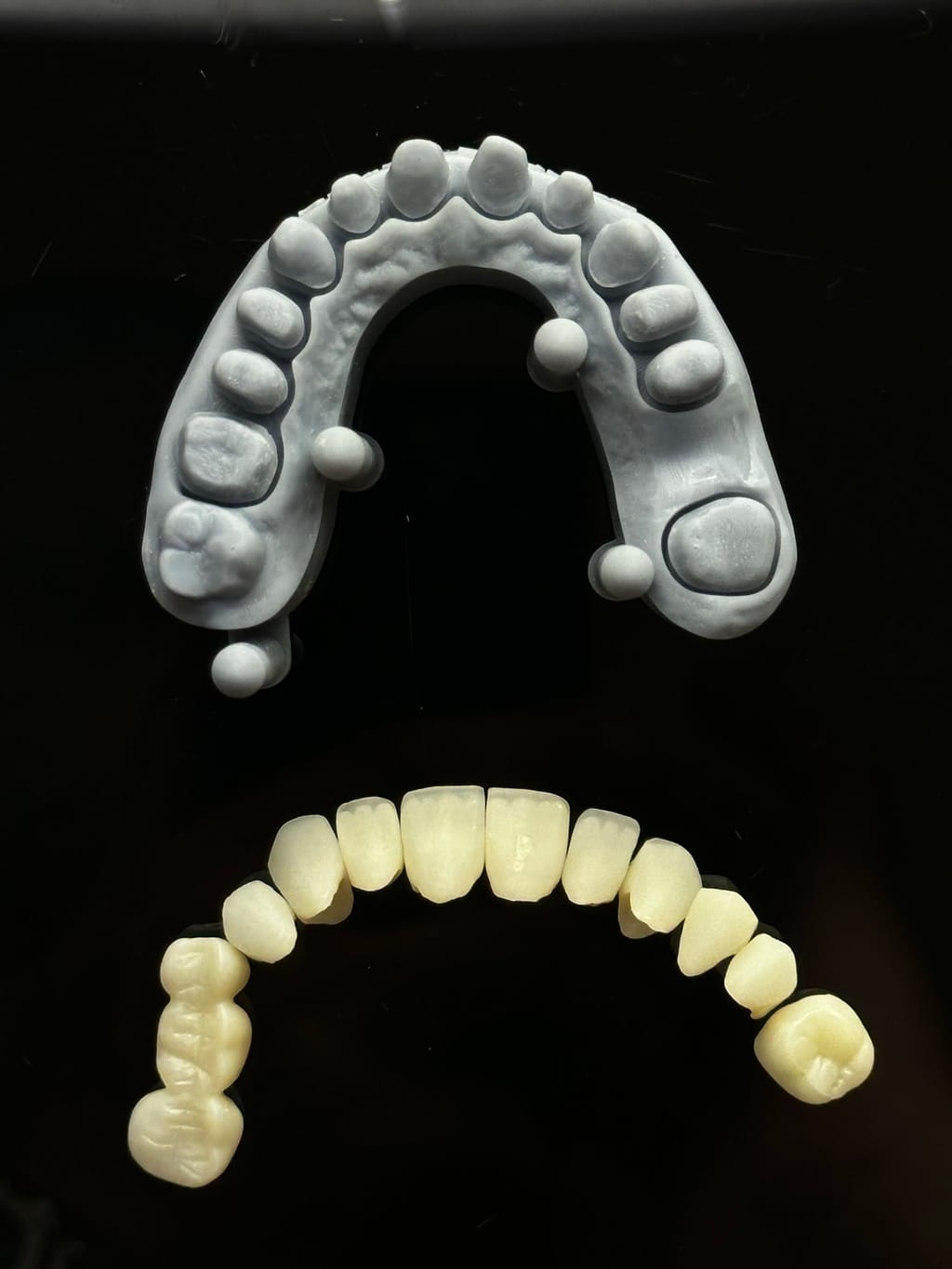
Restorative treatment
Dental crowns
Restorations that cover the whole visible tooth, often discussed when decay, fracture or large fillings have weakened it.
Explore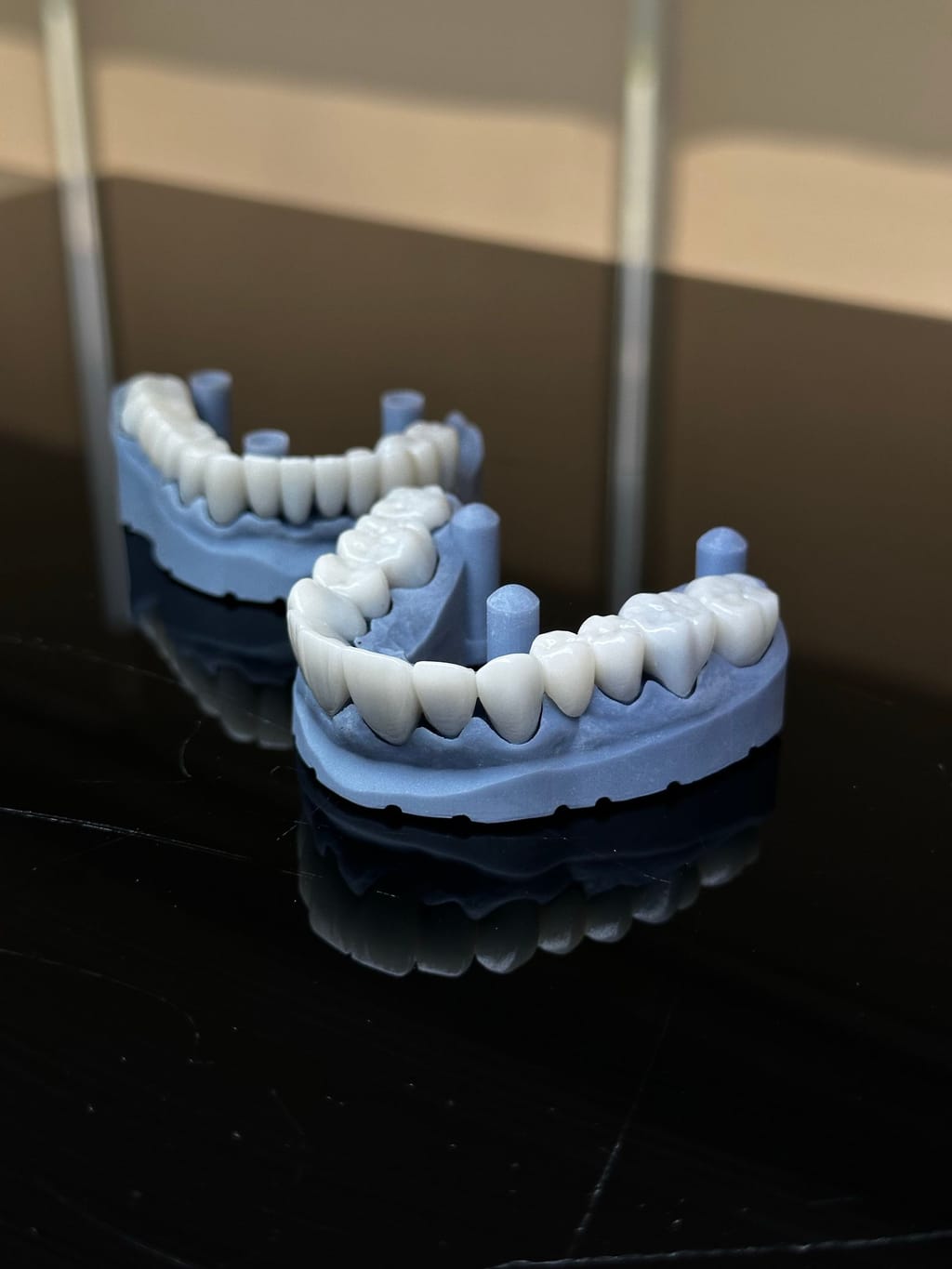
Comprehensive care
Full-mouth rehabilitation
A staged, comprehensive plan for restoring many teeth, the bite and appearance together, built in phases over time.
Explore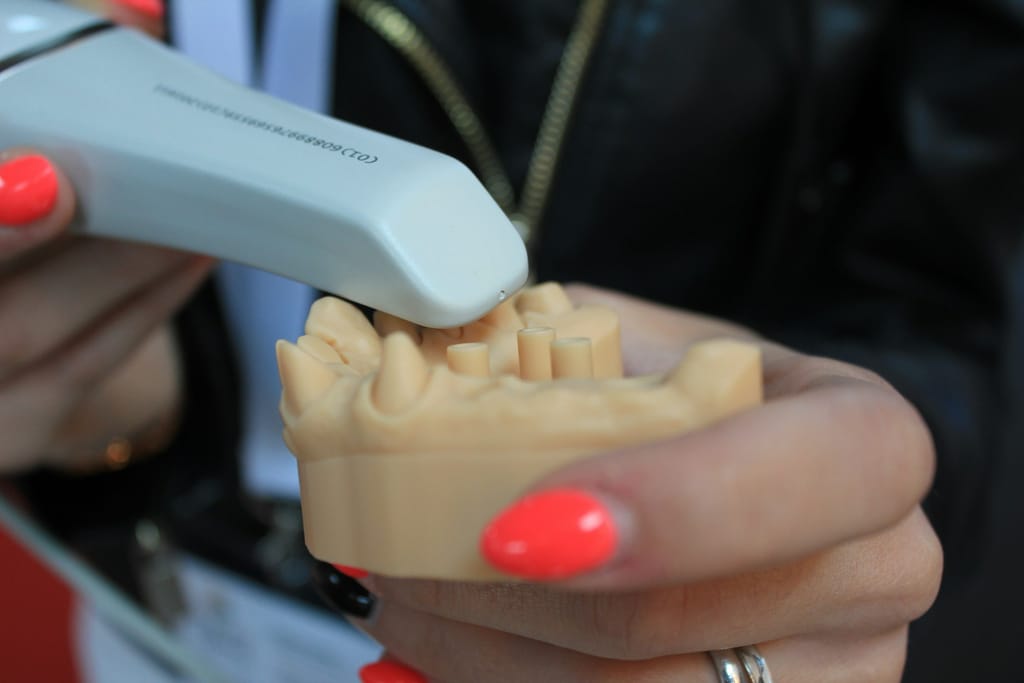
Digital workflow
Digital dentistry
How scanning, computer design and milling connect in restorative care, what they help with and where conventional methods still apply.
Explore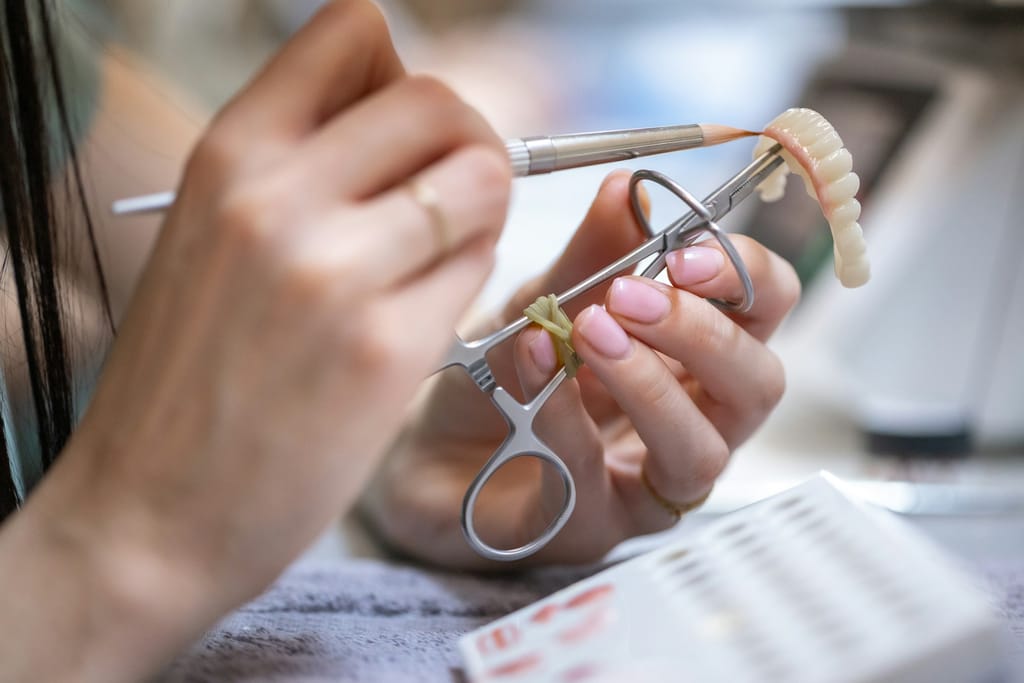
Approach
Clinical and technical approach
How clinical judgement and technical knowledge meet at every stage of a restoration, from first assessment to final fitting.
ExploreNext step