Aesthetic treatment
Porcelain veneers
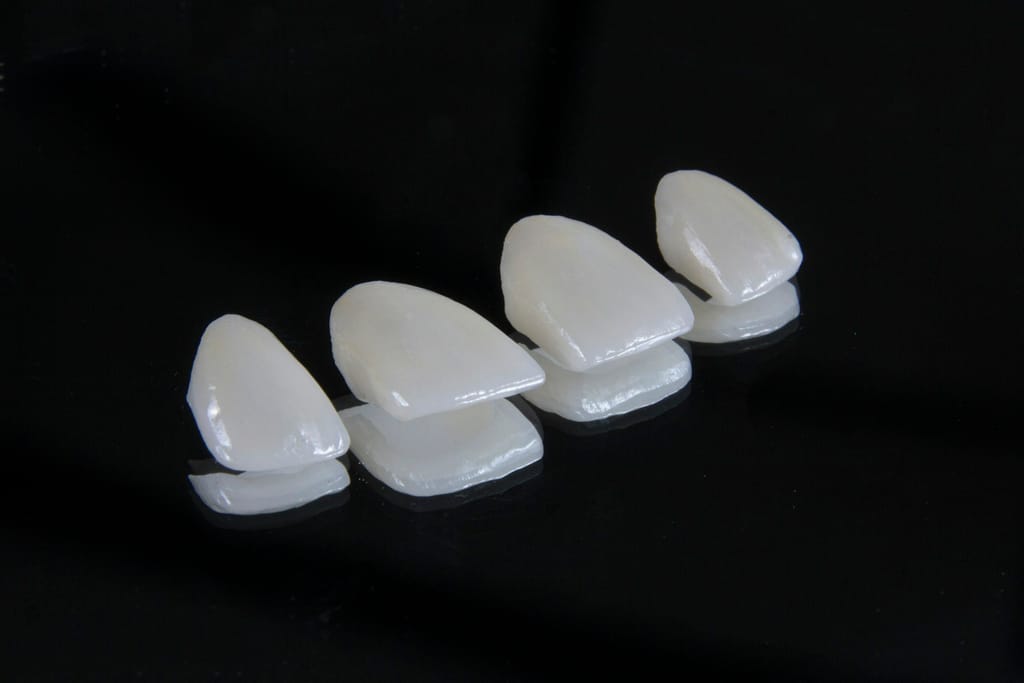
A porcelain veneer is a thin layer of ceramic bonded to the front of a tooth to change its shape, colour or proportion. Whether veneers are suitable depends on the tooth beneath, which is what an assessment sets out to understand.
What veneers are designed to do
Porcelain veneers are made from dental ceramic, a glass-based material that can be shaped and coloured to resemble natural enamel. Each veneer is bonded to the front surface of a tooth and sometimes wraps over the biting edge.
In general terms, veneers are used to address concerns about appearance: discolouration that whitening does not change, chipped or worn edges, small gaps, or teeth that look uneven in size or shape.
A veneer changes how a tooth looks from the front. It does not rebuild a tooth that has lost a lot of structure, and it does not move teeth into a new position. Where those are the main issues, a dental crown or orthodontic treatment may come into the discussion instead.
What an individual assessment considers
Veneers depend on the tooth underneath them. Before they are discussed as an option, Dr Elchin Abbasov looks at the conditions that affect whether they can be bonded well and how they are likely to perform.
- The amount and quality of enamel, since ceramic bonds most reliably to enamel
- Existing fillings, cracks or decay that may need treating first
- Gum health, and where the gum line sits on each tooth
- Your bite, including signs of grinding or clenching
- The colour of the teeth beneath, which affects how thin a veneer can be
- How your teeth relate to your lips, face and smile line, and what you would like to change
How veneer treatment is usually planned
The order below is typical. The number of appointments and the time between them depend on the case.
Consultation and records
A discussion of your goals, an examination, photographs and an intraoral scan, which is a digital 3D impression taken with a small handheld camera. X-rays may be taken where needed.
Design and preview
The proposed shape and proportion are planned digitally and, where useful, previewed on your teeth in a temporary material, so you can see and comment on the direction before any tooth is changed.
Preparation
Most veneers need some reshaping of the enamel so the ceramic has room and the finished tooth does not look bulky. How much depends on the plan, and it is discussed with you in advance.
Fabrication
The veneers are designed and made in ceramic, either in the clinic using CAD/CAM design and milling or by a dental laboratory, depending on the material and the case.
Try-in and bonding
Fit, colour and shape are checked before each veneer is bonded with a resin cement. The bite is then checked and adjusted where needed.
Review
A follow-up visit to check the gums, the bite and how the veneers feel in everyday use.
Alternatives and limitations
Veneers are one of several ways to change how teeth look. Each alternative has its own limits, and your dentist will discuss which may be relevant.
Whitening
Lightens natural tooth colour without altering tooth structure. It does not change shape and does not lighten existing fillings, crowns or veneers.
Composite bonding
Tooth-coloured resin added directly to the tooth. It usually involves less preparation, but it can stain and wear more readily than ceramic over time.
Orthodontic treatment
Moves teeth into a different position. Where crowding or spacing is the main concern, it may be discussed before veneers, alongside them or instead of them.
Crowns
Cover the whole tooth. They are more often considered when a tooth is heavily filled or weakened, and they involve more tooth reduction than a veneer.
How many appointments to expect
Veneer treatment commonly involves several visits: one or more for consultation and planning, one for preparation and one for fitting, with a review afterwards. Where a laboratory makes the veneers, temporary veneers are usually worn in between.
The number can change for practical reasons. Gum treatment or replacement of old fillings may be needed first, a preview may lead to design changes, and cases involving many teeth or the bite tend to need more planning time.
In selected cases, following clinical assessment, veneers can be designed, milled and fitted in the clinic within a single appointment. Complex cases may need more than one appointment. The same-day veneers page explains how that decision is made.
The clinical view and the technical view
Dr Abbasov trained as a dental technician before qualifying as a dentist and has worked in dental technology for more than 23 years. A veneer plan is therefore read from two sides: what the tooth and mouth can support, and what the ceramic needs in order to look and behave as intended.
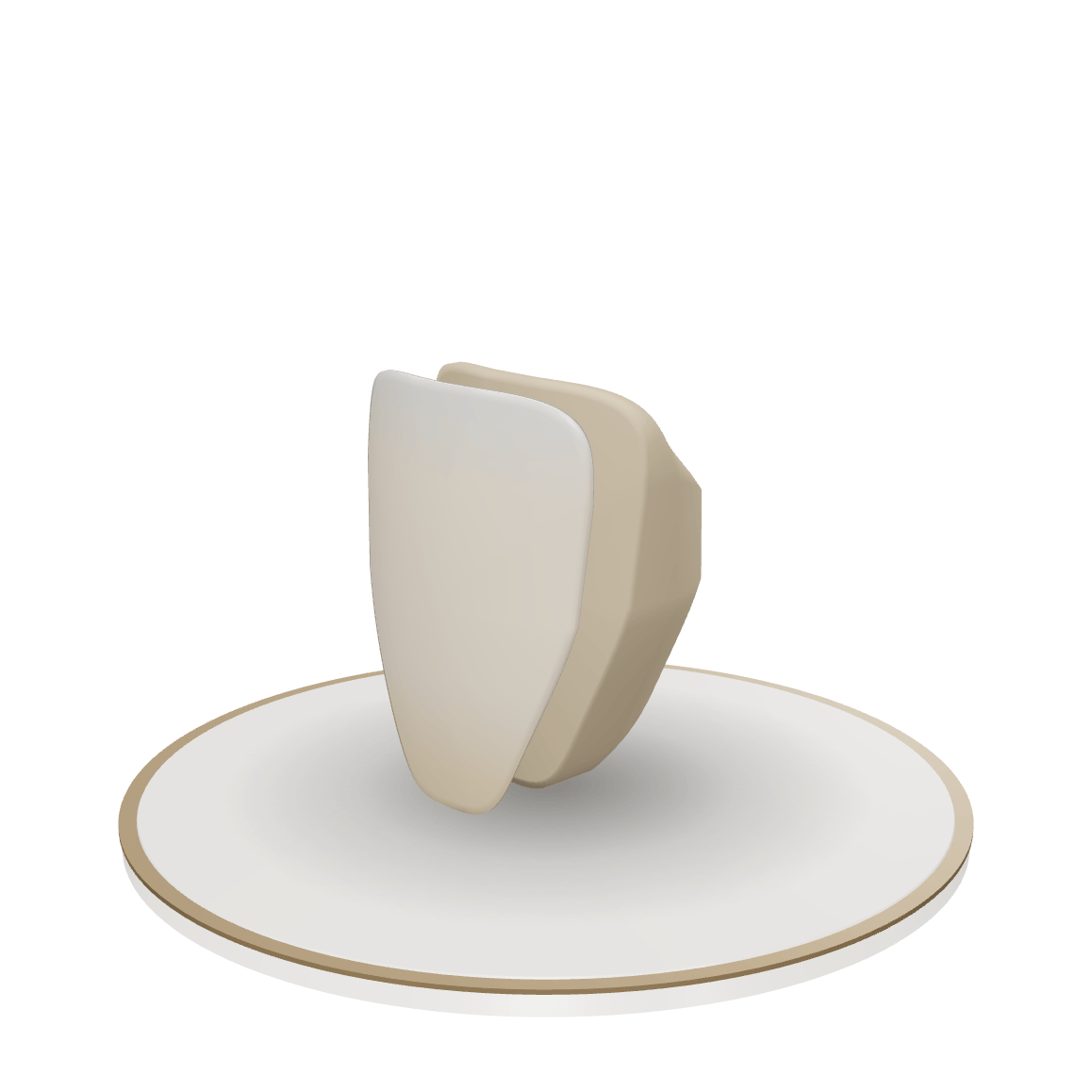
Fig. — VeneerEducational 3D model, not a patient scan. Drag to rotate, or tap Explore in 3D on touch screens.
Clinical view The dentist
- Enamel: how much remains and where, since bonding to enamel is generally more predictable than bonding to the softer dentine beneath it.
- Bite: how the upper and lower front teeth meet and slide past each other, and whether grinding could overload the edges of thin ceramic.
- Gum health: inflamed or receding gums affect how accurately the veneer edge can be placed and how the result looks over time.
- Tooth colour beneath: a dark or uneven underlying tooth may need a different preparation or material to mask it without looking opaque.
- Existing restorations: old fillings at the edges of a tooth may need replacing before a veneer can be bonded over them.
Technical view The technician
- Thickness: enough ceramic to be strong and to carry colour, without making the tooth look or feel bulky.
- Translucency: how much light passes through the ceramic, which decides how lifelike it looks next to neighbouring teeth.
- Emergence profile: the way the veneer rises from the gum line, which affects both appearance and how easily the area can be cleaned.
- Margin design: where the edge of the veneer finishes on the tooth and how it blends into the natural enamel.
- Material and layering: whether a single block of ceramic is sufficient, or a layered build-up is needed to reproduce depth and colour variation.
Risks, limitations and maintenance
All restorations have limits. Your dentist will explain the risks relevant to you; in general terms:
- Reshaping enamel cannot be reversed, so a tooth that has had a veneer will usually need a veneer or another restoration in future.
- Teeth can feel sensitive for a time after preparation.
- Ceramic can chip or come away, particularly under heavy biting forces or habits such as nail biting.
- Veneers do not respond to whitening, so any whitening is usually done beforehand.
- The gum line can change over time, which may reveal the edge of a veneer.
- Veneers eventually need replacing. Daily cleaning, regular check-ups and a night guard where grinding is a concern can help them last. See caring for restorations.
Questions you may want to ask
These may help you get more from a consultation. The guide to preparing for a consultation has more.
- How much of my enamel would need to be reshaped, and on which teeth?
- Is there a more conservative option you would consider first?
- Can I see a preview of the proposed shape before any tooth is changed?
- Will the veneers be made in the clinic or by a laboratory, and why?
- Does my bite, or any grinding, affect the plan?
Questions
Frequently asked
General answers only. Your dentist will explain what applies to you.
Do porcelain veneers damage your teeth?
Most veneers need some reshaping of the enamel, and this cannot be reversed. The amount varies with the plan: in some cases very little is needed, in others more. Your dentist will explain what is proposed for your teeth, and why, before anything is done.
How long do porcelain veneers last?
No restoration lasts indefinitely. How long veneers last depends on your bite, habits such as grinding, gum health and day-to-day care. Regular check-ups allow small problems to be found early.
Can veneers fix crooked teeth?
Veneers can change how mildly uneven teeth appear, but they do not move teeth. Where crowding or spacing is significant, orthodontic treatment may be discussed first, either alone or alongside veneers.
Can I have just one or two veneers?
Sometimes. Matching a single veneer to natural neighbouring teeth is technically demanding, because colour, translucency and surface texture all need to blend. Assessment looks at whether that match is realistic for your teeth.
Keep reading
Related information
Same-day treatment
Same-day veneers
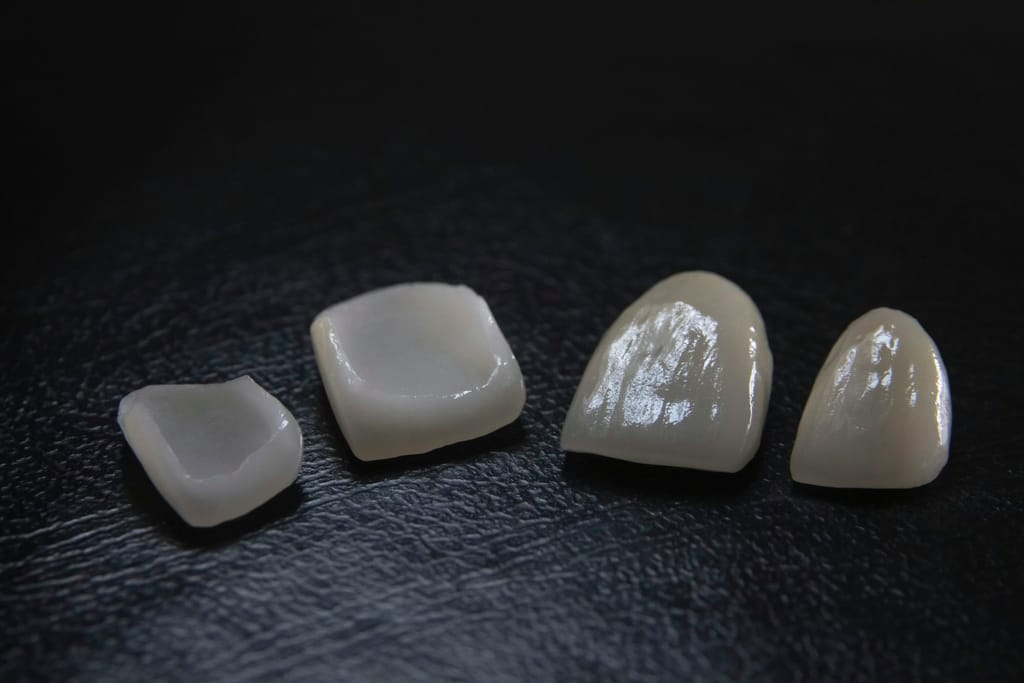
Who may be considered for a one-visit veneer, what has to be decided first, and when a second appointment is the better plan.
Explore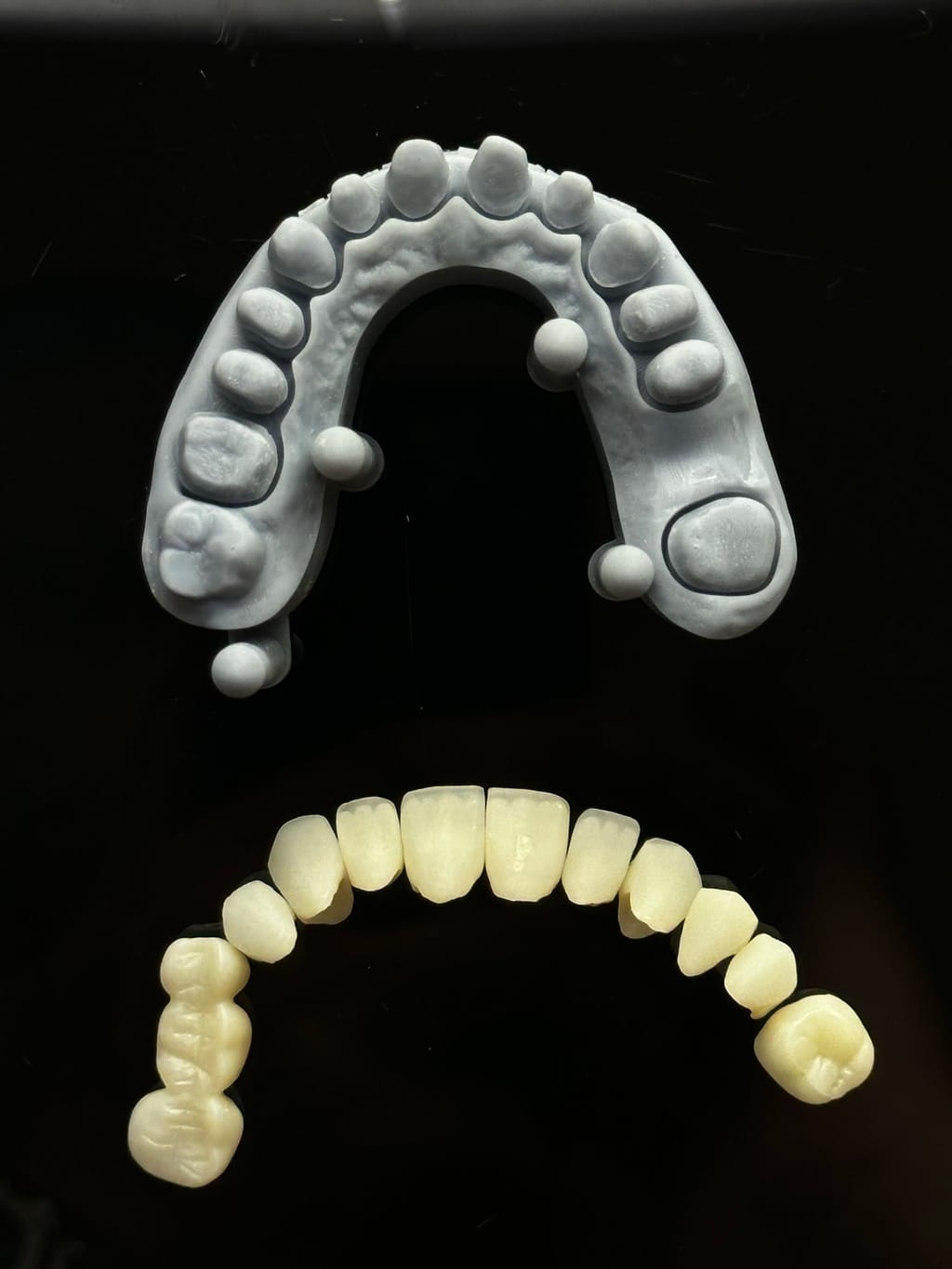
Restorative treatment
Dental crowns
Restorations that cover the whole visible tooth, often discussed when decay, fracture or large fillings have weakened it.
Explore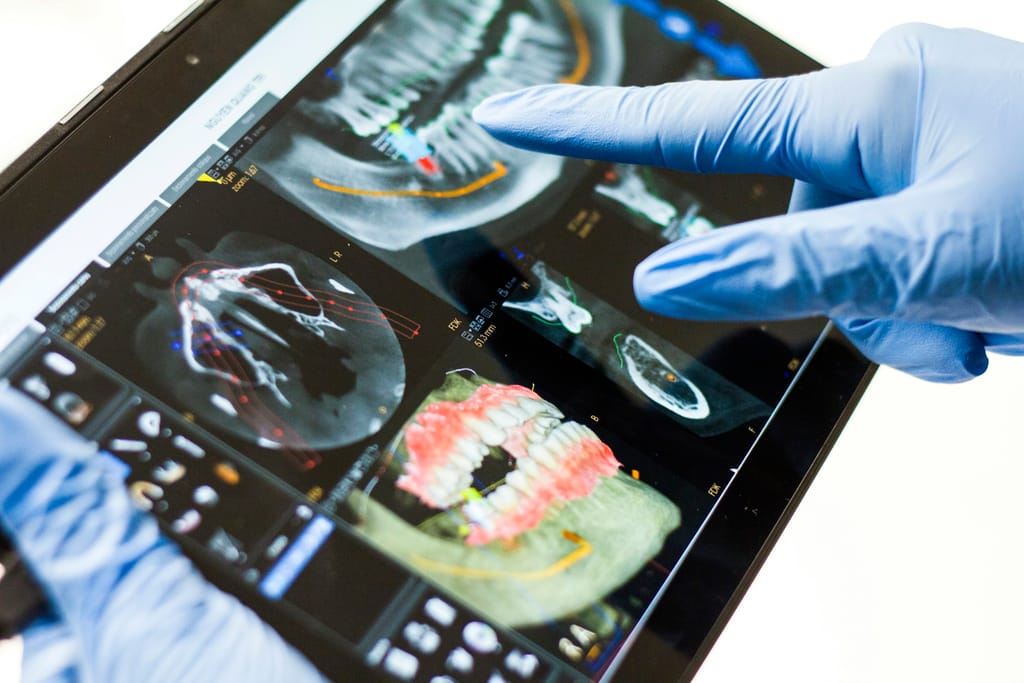
Treatment planning
Digital smile design
How photographs, scans and smile proportions are used to plan and preview changes before treatment, and what a preview can and cannot show.
Explore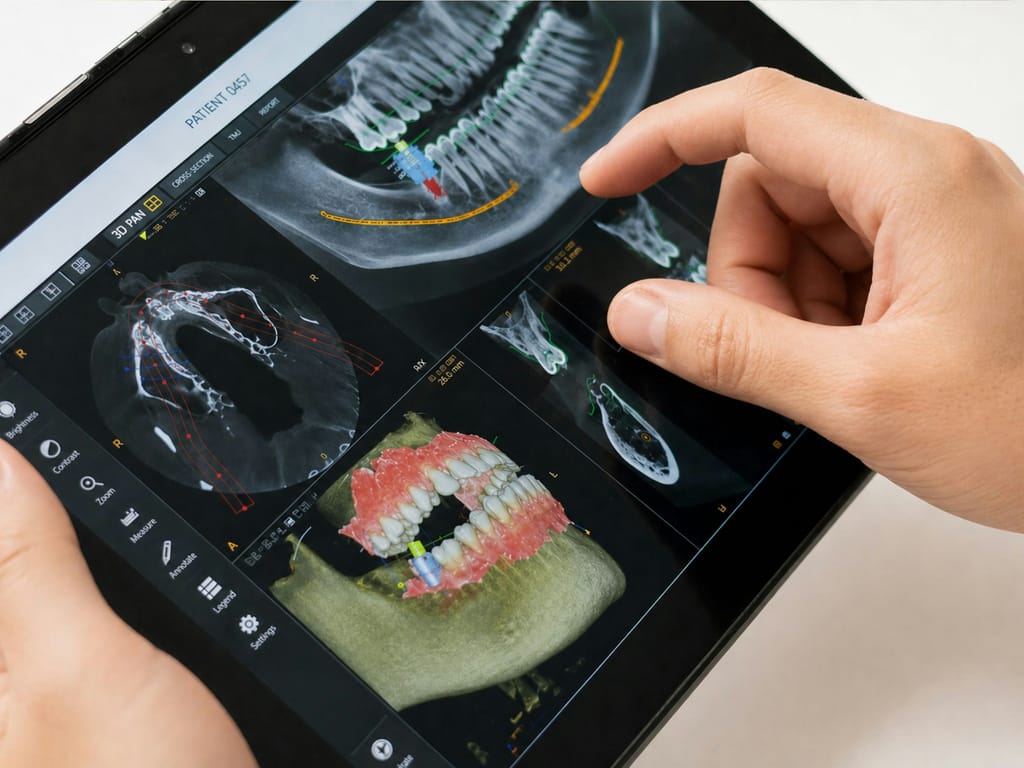
Technology
CAD/CAM
What happens between the scan and the finished restoration: how it is designed on screen, what the design must get right and how it is made.
ExploreNext step