Patient resource
Caring for your restorations
Veneers, crowns and implant-supported restorations are made to be durable, but they rely on healthy teeth and gums around them. This page sets out general care habits and the signs worth acting on.
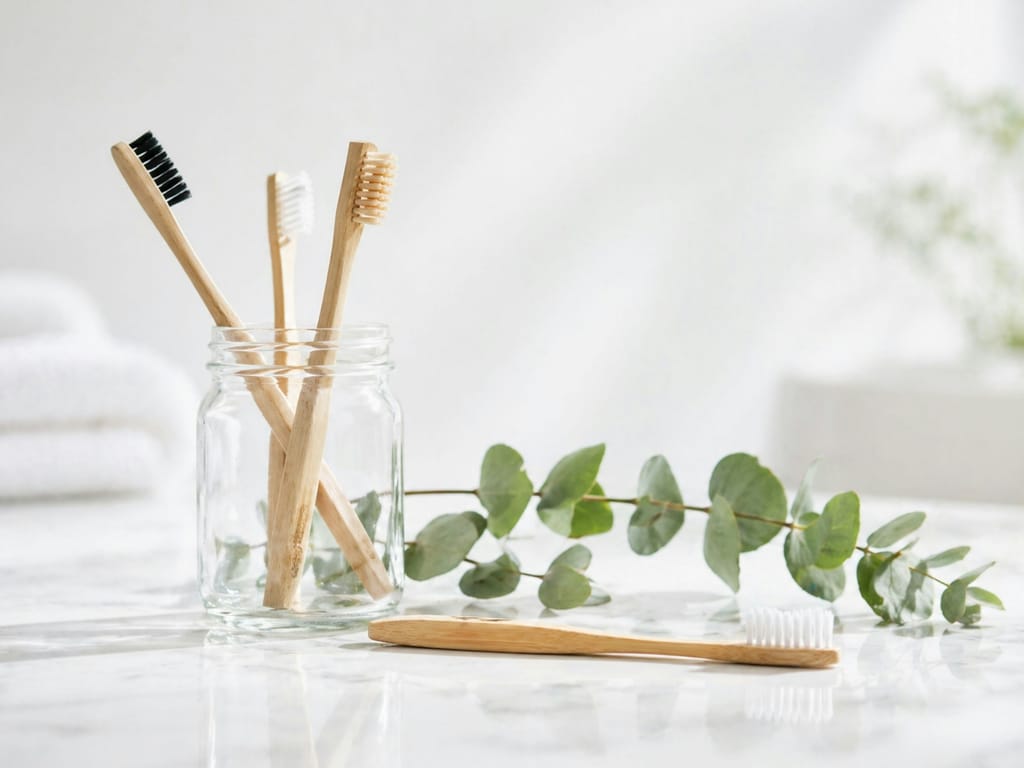
General information, not individual instructions
This guidance is general. It does not replace the instructions your own dentist gives you, which take account of your restorations, your gums and your bite. If anything here differs from what you have been told, follow your dentist's advice and ask them about it.
Daily care for every restoration
A restoration cannot decay, but the tooth and gum around it can. Daily care is mostly about keeping the edges clean.
- Brush twice a day with a fluoride toothpaste, paying attention to where the restoration meets the gum
- Use a soft or medium brush; a hard brush and heavy pressure can wear the gum line
- Clean between the teeth once a day with floss or interdental brushes in the size your dentist recommends
- Spit out after brushing rather than rinsing straight away, so the fluoride stays on the teeth
- Keep up regular dental reviews and hygiene appointments
Care by type of restoration
Veneers
Veneers are bonded to the front of the teeth, so the edges near the gum need careful brushing. Avoid biting directly into very hard foods with the front teeth, and avoid using them to open packaging or bite nails. Highly abrasive whitening pastes may dull the surface glaze over time. See porcelain veneers for more about veneers themselves.
Crowns
A crown covers the whole visible tooth, but the natural tooth beneath remains and can still decay at the margin. Clean around the gum line carefully and between the teeth daily. Very hard or sticky foods can put stress on a crown, especially if it is on a heavily restored tooth. See dental crowns.
Implant-supported restorations
The crown or bridge on an implant cannot decay, but the gum and bone around the implant can become inflamed if plaque is left there. Daily cleaning around the implant, often with interdental brushes or a water flosser if advised, is important. Regular reviews allow the gum around the implant to be checked. See implant-supported restorations.
Habits that can shorten a restoration's life
- Grinding or clenching, especially at night; if you are given a night guard, wear it as advised
- Biting ice, hard sweets, pen tops, fingernails or bones
- Using teeth as tools to open packets or bottles
- Contact sports without a mouthguard
- Smoking, which can affect gum health and staining around restoration edges
- Missing regular reviews, so small problems are found later
When to contact your dentist
Contact your dentist promptly if you notice any of the following. Small problems are usually easier to deal with early.
- A restoration feels loose or moves when you bite
- A chip, crack or rough edge you can feel with your tongue
- New or increasing sensitivity to hot, cold or sweet
- Your bite feels different, or one tooth seems to hit first
- Pain when chewing or a dull ache around a restored tooth
- Bleeding, swelling, a bad taste or tenderness around an implant restoration
- A dark line or gap appearing at the edge of a crown or veneer
If a restoration comes off or breaks
Keep the restoration if it comes away, store it somewhere safe and dry, and contact your dentist. Do not try to glue it back yourself with household adhesives, which can damage the tooth or prevent it being refitted.
If a piece chips, avoid chewing on that side until it has been checked. Whether it can be polished, repaired or needs replacing depends on the material and the size of the chip.
Why reviews matter
At a review, the dentist checks the edges of each restoration, the health of the gum, the bite and any signs of wear. Photographs or a scan may be compared with earlier records. Dr Elchin Abbasov's background in dental technology means he pays close attention to how a restoration's margins and surfaces are holding up over time.
How long a restoration lasts varies with the material, the bite, your habits and how well the area is cleaned. No restoration lasts forever, and maintenance is part of the plan from the start.
Questions
Frequently asked
General answers only. Your dentist will explain what applies to you.
Can I whiten my teeth if I have veneers or crowns?
Whitening products change the colour of natural teeth but not of ceramic restorations. If you are considering whitening, discuss it with your dentist first, as it can create a colour mismatch between natural teeth and existing restorations.
Do implant-supported restorations need special cleaning?
They need thorough daily cleaning, particularly where the restoration meets the gum. Your dentist may recommend interdental brushes or other aids suited to the shape of your restoration.
Is it normal for a new crown to feel slightly different?
A new restoration can feel unfamiliar for a short while. If your bite feels high, uneven or uncomfortable, or sensitivity does not settle, contact your dentist so it can be checked and adjusted if needed.
Keep reading
Related information
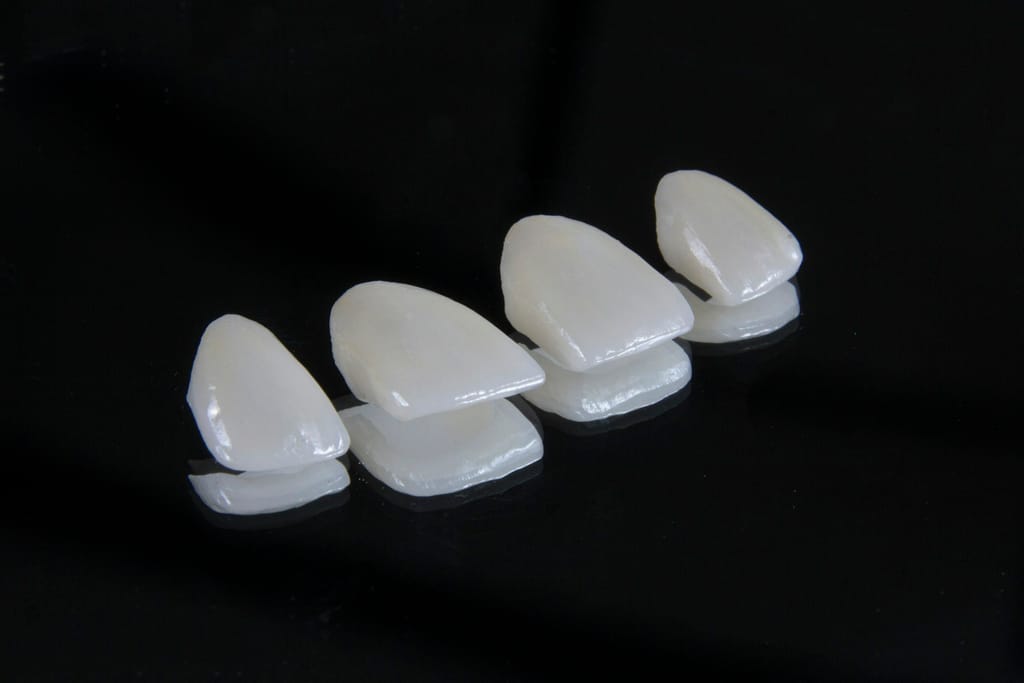
Aesthetic treatment
Porcelain veneers
Thin ceramic layers bonded to the front of teeth to refine shape, colour and proportion where the tooth beneath is sound.
Explore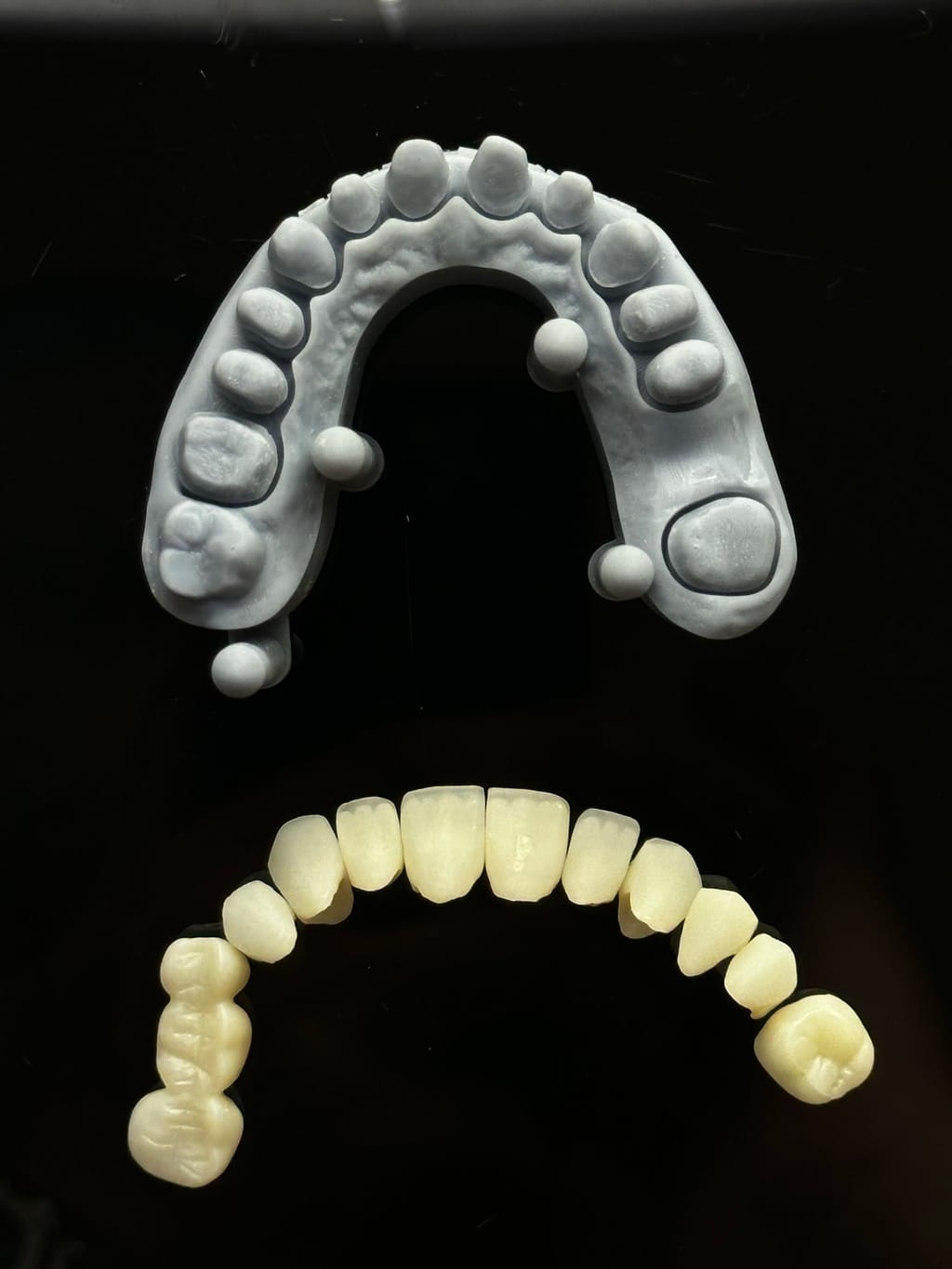
Restorative treatment
Dental crowns
Restorations that cover the whole visible tooth, often discussed when decay, fracture or large fillings have weakened it.
Explore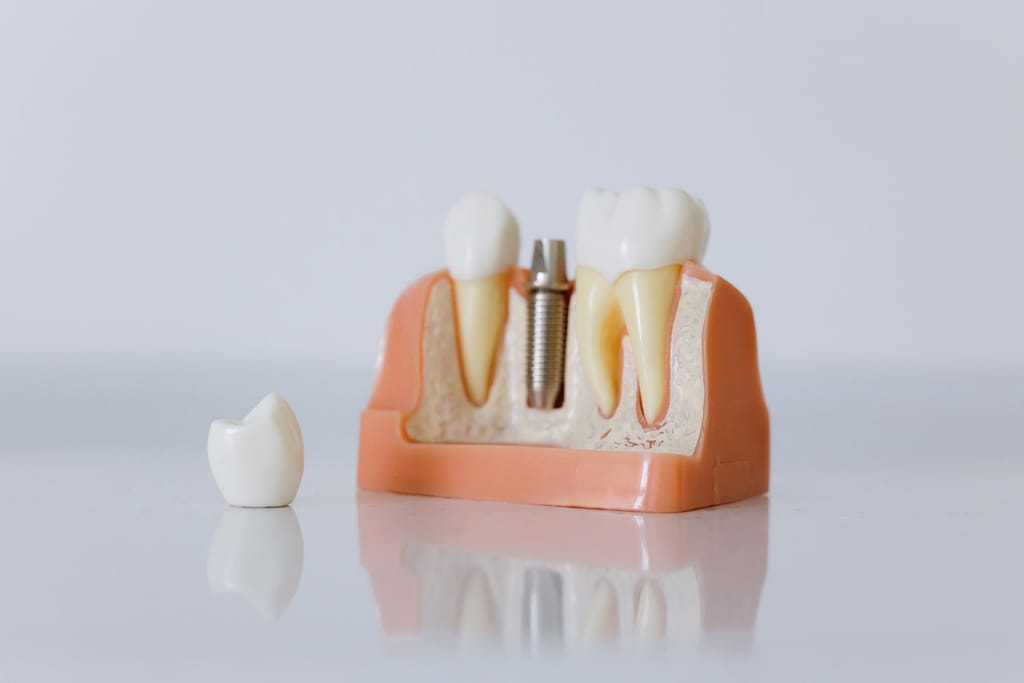
Restorative treatment
Implant-supported restorations
The crowns, bridges and prostheses that attach to dental implants, planned with the final teeth in mind from the start.
Explore
For patients
Patient information
What to bring, what a consultation involves, how to enquire from abroad, and a guide to help you describe your goals.
ExploreNext step