Treatment planning
Digital smile design
A planning and communication process in which photographs, scans and smile proportions are used to prepare a design preview before treatment. It helps you and your dentist agree on a direction; the preview is a planning aid, and the final result may differ.
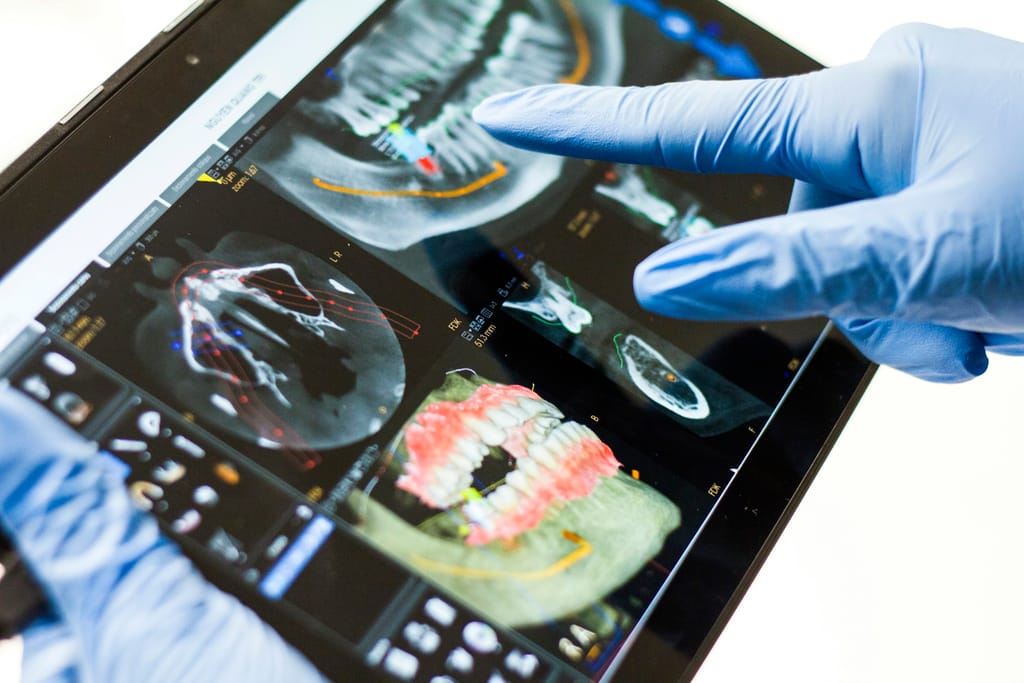
What digital smile design is
Digital smile design is a way of planning aesthetic and restorative treatment visually. Photographs of your face and smile are combined with a digital scan of your teeth, so proposed changes to tooth shape, length and proportion can be studied in relation to your lips, face and gum line.
The term is used here for a planning and communication process, not a branded programme. It does not replace a clinical examination and is not a treatment in itself. It is a step that can come before veneers, crowns or wider aesthetic restorative work.
Its main value is shared understanding. It is easier to talk about ‘slightly shorter’ or ‘a softer edge’ when both of you are looking at the same image.
What the planning considers
A design is built from the face and the mouth together. Your dentist will explain which of these matter most in your case.
Facial reference lines
The centre line of the face, the line of the eyes and the line of the lips help orient the teeth so they look balanced.
Smile line
How much tooth and gum show at rest, when speaking and when smiling broadly.
Tooth proportions
The relationship between width and length of each tooth, and how each tooth compares with its neighbours.
Gum contour
Gum heights affect how symmetrical teeth appear. Any change to gum shape is a separate clinical question.
Bite and function
A design has to work when you bite and chew, not just when you smile for a photograph.
Your preferences
Whether you prefer a natural, subtly characterised look or a more uniform one, within what is clinically realistic.
Stages of the process
Not every case uses every stage, and the order can be adapted to what is being planned.
Consultation
Your concerns and expectations are discussed, and the teeth, gums and bite are examined. Planning cannot start from appearance alone.
Records
Photographs, and sometimes short video, are taken from set angles, and the teeth are recorded with an intraoral scan.
Analysis
Facial and dental proportions are assessed, and the scan is aligned with the photographs.
Design preview
A proposed shape for the teeth is prepared digitally and shown on your photographs or as a 3D model.
Discussion and refinement
You see the preview and give feedback. Adjustments may be made, and limits are explained where a change would not be clinically sensible.
Trial or mock-up, where appropriate
In some cases, a temporary tooth-coloured mock-up is placed over the teeth so you can see and feel the proposed shape in your own mouth. It is removed afterwards.
Transfer to treatment
If treatment goes ahead, the agreed design guides preparation and the design of the final restorations.
Limitations and alternatives
A design preview is useful, but it has limits worth understanding before you rely on it.
A preview is not a promise
Images show a proposal. The final result depends on the teeth, gums, materials and healing, and may differ from the preview.
Not every case needs it
A single crown on a back tooth rarely benefits from a full smile design. Simpler planning with photographs or a model may be enough.
A mock-up has limits
A trial is a guide to shape and length. It is usually thicker or less refined than final ceramic and does not show final colour.
Conventional planning
A wax model of the proposed teeth, made by a technician on a model of your mouth, remains a valid way to plan and communicate.
How it fits into appointments
Smile design usually spans more than one appointment: one to examine and gather records, and another to review the preview. A mock-up, where appropriate, may be added before treatment begins.
The number of visits can vary with how many teeth are involved and how much refinement is needed. Where a selected tooth is suitable for a same-day restoration following clinical assessment, design and fabrication may happen in the same visit; complex cases may need more than one appointment.
Clinical and technical perspectives
Dr Elchin Abbasov is both a dentist and a dental technician, which shapes how a design is judged: it has to look right, work clinically and be possible to make.
Clinical view The dentist
- Whether the teeth and gums are healthy enough for the planned change
- How much tooth would need preparing to achieve the design, and whether alignment could reduce that
- Whether the proposed length and edge position suit the bite and speech
- Gum line symmetry, and whether gum changes are needed or advisable
- Whether the expectations are realistic for the patient's teeth
Technical view The technician
- Translating two-dimensional photographs into a three-dimensional design that can be made
- The space available for the chosen material at each tooth
- Outline, proportion and surface texture, so teeth look individual rather than identical
- How the mock-up shape will carry through to the final restorations
- Material limits on thickness and translucency that may constrain the design
Risks, limitations and maintenance
Your dentist will explain the limitations relevant to you. In general terms:
- A digital preview cannot fully show final colour, translucency or how teeth look in different light
- Photographs can distort proportions slightly, depending on angle and lens
- Mock-up materials are temporary and are not meant to stay in place
- Some designs need tooth preparation, gum treatment or orthodontics, each with its own risks
- The design is a starting point and may be adjusted during treatment as the teeth and gums respond
- Restorations made from a design need the same care as any other. See caring for restorations.
Questions you may want to ask
- Would a design preview be useful for what I want to change?
- What would the design mean for how much of my teeth is prepared?
- Could a mock-up be placed so I can see the shape in my own mouth?
- Which parts of the preview are most likely to differ from the final result?
- Are there conservative options to consider before restorations?
- What should I prepare before the consultation? There is a short guide to preparing for a consultation.
Questions
Frequently asked
General answers only. Your dentist will explain what applies to you.
Is the preview what my teeth will look like?
It is a planning proposal, not a final outcome. The final result depends on your teeth, gums, the materials used and how the tissues respond, and may differ from the preview.
Do I have to go ahead with treatment after a smile design?
No. A design is a planning step. You can take time to consider it, ask questions or decide not to proceed.
What is a mock-up?
A temporary layer of tooth-coloured material placed over the teeth to show a proposed shape and length. It is used where appropriate, does not show final colour and is removed afterwards.
Is digital smile design a particular programme or brand?
Here it describes a planning and communication process using photographs, scans and proportions. It is not a branded programme, and different digital tools can be used to carry it out.
Does every veneer or crown need a smile design?
No. It tends to be most useful when several front teeth are being changed, or when shape and proportion are a central concern. Your dentist will discuss whether it would help in your case.
Keep reading
Related information
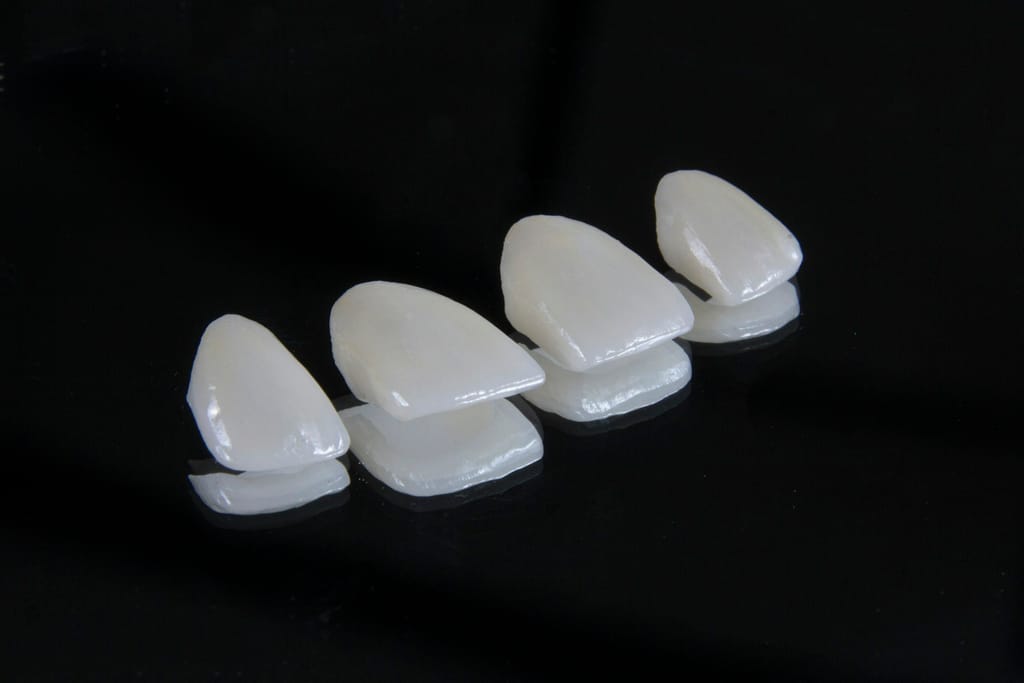
Aesthetic treatment
Porcelain veneers
Thin ceramic layers bonded to the front of teeth to refine shape, colour and proportion where the tooth beneath is sound.
Explore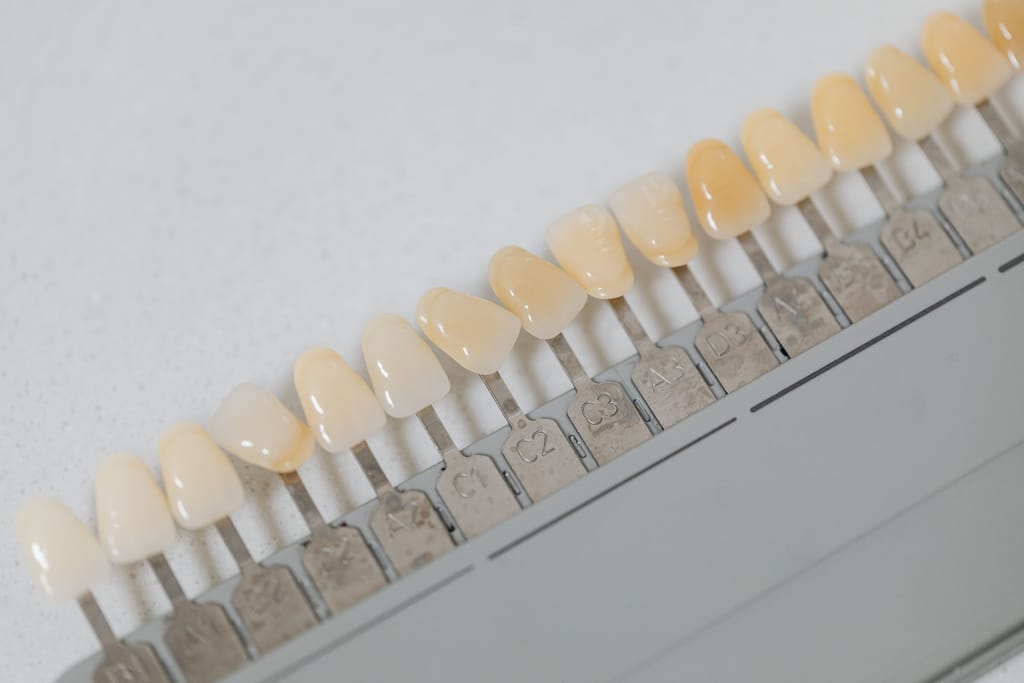
Treatment
Aesthetic restorative dentistry
How treatment options are chosen: health first, conservative options considered early, and function and appearance planned together.
Explore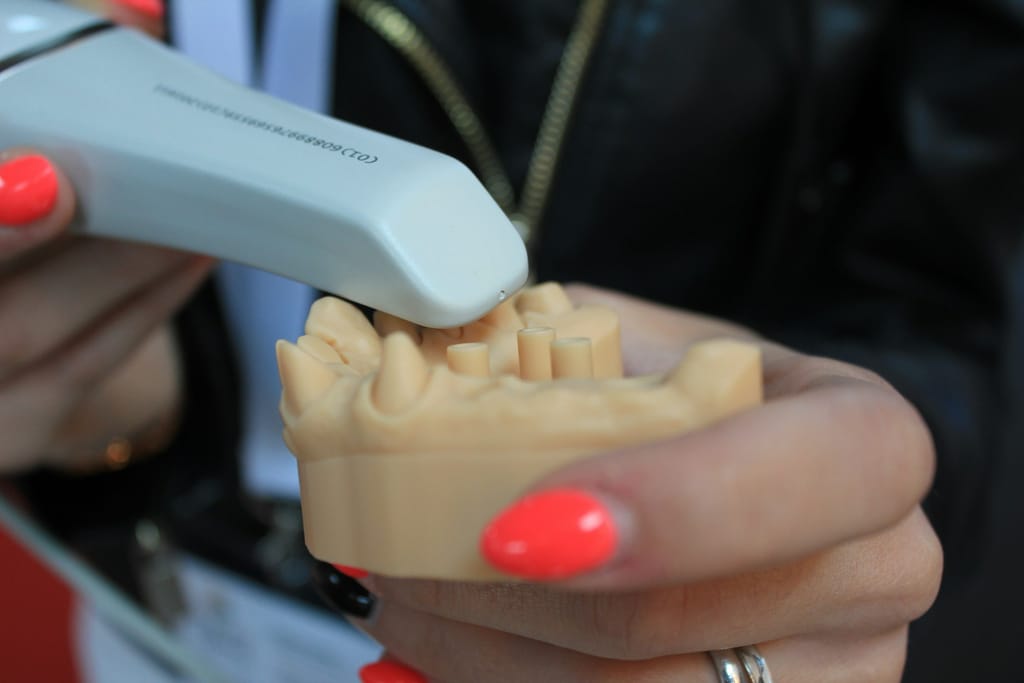
Technology
Intraoral scanning
How a digital scan of your teeth is taken, what it is used for and when a conventional impression may still be the better record.
Explore
Digital workflow
Digital dentistry
How scanning, computer design and milling connect in restorative care, what they help with and where conventional methods still apply.
ExploreNext step