Treatments
Treatments
An overview of the aesthetic and restorative treatments Dr Elchin Abbasov provides in Dubai, grouped by what each is generally intended to do. Every page explains what a treatment involves and what an assessment considers, rather than telling you what you need.
How this directory is organised
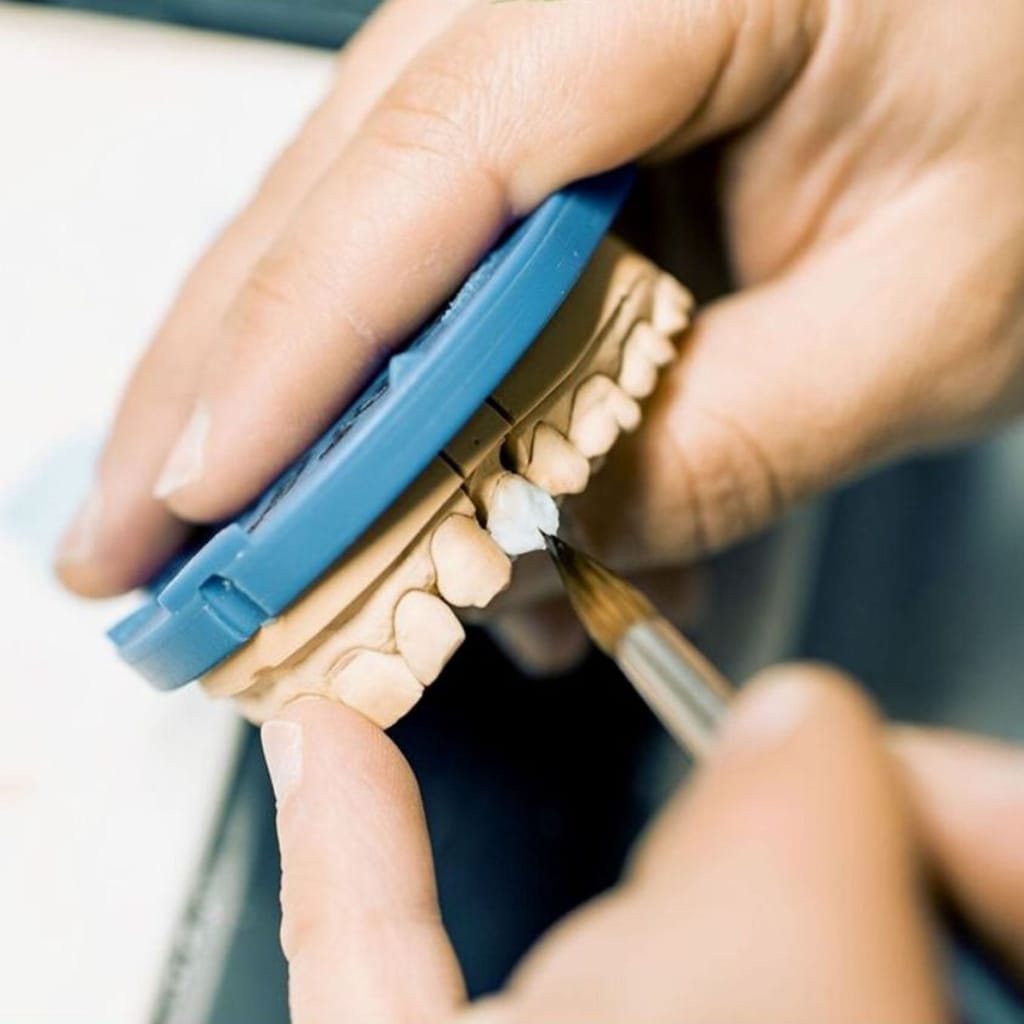
Dr Abbasov is a DHA-licensed General Dentist who also trained and worked as a dental technician. His work centres on aesthetic and restorative dentistry: restorations that change how teeth look, and restorations that rebuild how they work.
The pages below are grouped by their general purpose. Some treatments mainly change appearance, some restore strength and function, and some describe how selected cases may be planned around fewer appointments. Many treatment plans combine more than one, so the groups overlap.
Nothing here is a recommendation. Each page explains what a treatment is, what an assessment looks at and where its limits lie.
Comparing three restoration concepts
Veneers, crowns and implant-supported restorations serve different circumstances. This comparison is educational and general; an individual clinical assessment decides which, if any, is relevant to you.
Porcelain veneer
- What it covers
- The front, visible surface of a tooth, and sometimes its biting edge.
- Often discussed when
- The concern is mainly the colour, shape, size or proportion of teeth that are otherwise largely intact and healthy.
- What an assessment looks at
- How much healthy enamel is available for bonding
- Bite forces, grinding and clenching
- Gum health around the teeth
- The colour of the tooth beneath
Dental crown
- What it covers
- The whole visible part of a tooth, all the way round to the gum line.
- Often discussed when
- A tooth has lost significant structure through decay, fracture, large fillings or root canal treatment, and needs protection as well as a natural appearance.
- What an assessment looks at
- How much sound tooth structure remains
- The health of the root and supporting bone
- How the tooth meets the opposing teeth
- Where the crown edge can sit against the gum
Implant-supported restoration
- What it covers
- A crown, bridge or prosthesis attached to one or more dental implants, replacing teeth that are missing.
- Often discussed when
- One or more teeth are missing or cannot be kept, and a fixed replacement is being considered alongside other options such as bridges or dentures.
- What an assessment looks at
- Bone and gum conditions at the site, assessed with imaging
- General health factors that affect implant suitability
- Space and bite relationship for the final restoration
- How the restoration will be cleaned and maintained
Aesthetic treatments
Treatments mainly concerned with colour, shape, proportion and how the smile reads as a whole.
Porcelain veneers
Thin ceramic layers bonded to the front of teeth to change shape, colour or proportion where the tooth beneath is largely sound. Read about porcelain veneers.
Aesthetic and restorative dentistry
How appearance and function are considered together, so that a change in how teeth look does not work against how they bite. Read about aesthetic and restorative dentistry.
Digital smile design
Using photographs and digital scans to plan and preview proposed changes before any tooth is altered. Read about digital smile design.
Restorative treatments
Treatments mainly concerned with rebuilding damaged teeth, replacing missing ones and restoring a stable, comfortable bite.
Dental crowns
A restoration that covers the whole visible part of a tooth, often discussed when decay, fracture or large fillings have weakened it. Read about dental crowns.
Implant-supported restorations
The crown, bridge or prosthesis that attaches to dental implants. The implant itself may be placed by a suitable clinician as part of a coordinated plan. Read about implant-supported restorations.
Full-mouth rehabilitation
A staged, comprehensive plan for situations where many teeth, the bite and appearance need to be considered together, built in phases over time. Read about full-mouth rehabilitation.
One-visit options in selected cases
Some veneers and crowns can be designed, milled and fitted in the clinic within a single appointment. This is possible in selected cases following clinical assessment; complex cases may need more than one appointment.
Same-day veneers
What decides whether a veneer case may suit a single appointment. Considered in selected cases following clinical assessment; complex cases may need more than one appointment. Read about same-day veneers.
Same-day crowns
How a crown can be scanned, designed and milled in the clinic. Considered in selected cases following clinical assessment; complex cases may need more than one appointment. Read about same-day crowns.
Same-day dentistry explained
What makes a case suitable for one-visit care in selected cases, and why clinical assessment comes first. Complex cases may need more than one appointment. Read about same-day dentistry.
Veneer, crown or implant-supported restoration
These three are often confused because each produces something that looks like a tooth. They serve different circumstances. A veneer changes the front of a tooth that is largely intact, a crown covers and protects a tooth that needs more support, and an implant-supported restoration replaces a tooth that is missing.
The comparison on this page sets out those differences in general terms. It cannot tell you which, if any, is relevant to you. That depends on an examination, X-rays where needed, the health of your gums and bite, and what you hope to achieve, which is what a consultation is for.
Planned with fabrication in mind
Dr Abbasov has over 15 years of clinical experience and more than 23 years in dental technology, two periods that overlap. That technical background means a treatment plan is considered alongside how the restoration will actually be made: the material, its thickness and how it will sit against the gum.
Digital workflows support that planning. Intraoral scanning records the teeth as a 3D image, and CAD/CAM design allows restorations to be planned and made digitally. The clinical and technical approach page explains how these fit together.
Questions you may want to ask
If you are unsure where to start, these questions can help frame a first consultation. The guide to preparing for a consultation has more.
- Which of my concerns are about appearance, and which are about function or comfort?
- Are there conservative options to consider before a veneer or crown?
- Would my plan involve more than one type of restoration?
- Is a one-visit approach clinically appropriate in my case, and if not, why not?
Questions
Frequently asked
General answers only. Your dentist will explain what applies to you.
How do I know which treatment I need?
You do not need to know before you book. An assessment looks at your teeth, gums, bite and goals, and your dentist will discuss the options that may be relevant, including their limits. These pages are background reading, not a diagnosis.
Can different treatments be combined?
Often, yes. A plan might combine crowns on heavily restored teeth with veneers on sound ones, or an implant-supported crown alongside other restorative work. Whether a combination makes sense depends on the individual assessment.
Does Dr Abbasov place dental implants?
Dr Abbasov's focus is the restorative side of implant treatment: planning, designing and fitting the crown, bridge or prosthesis that attaches to implants. The implant itself may be placed by a suitable clinician as part of a coordinated plan, after suitability has been assessed.
Are same-day veneers and crowns suitable for everyone?
No. A single-appointment approach is considered in selected cases following clinical assessment. Complex cases, including those that need gum treatment, bite changes or more extensive planning, may need more than one appointment.
Keep reading
Related information
Same-day care
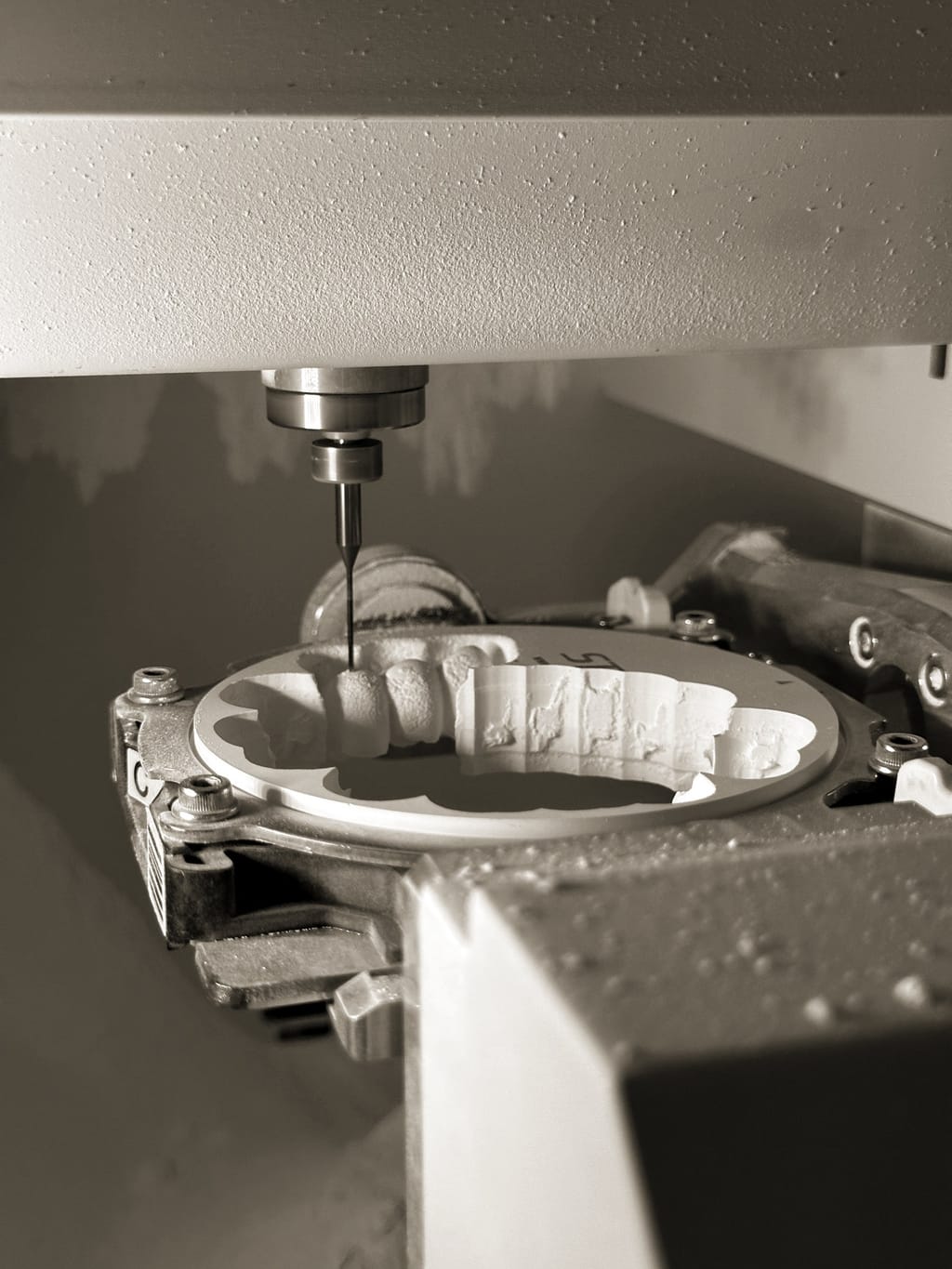
Same-day dentistry
How a one-visit restoration can work in selected cases, what decides suitability, and when more than one appointment is the sensible plan.
Explore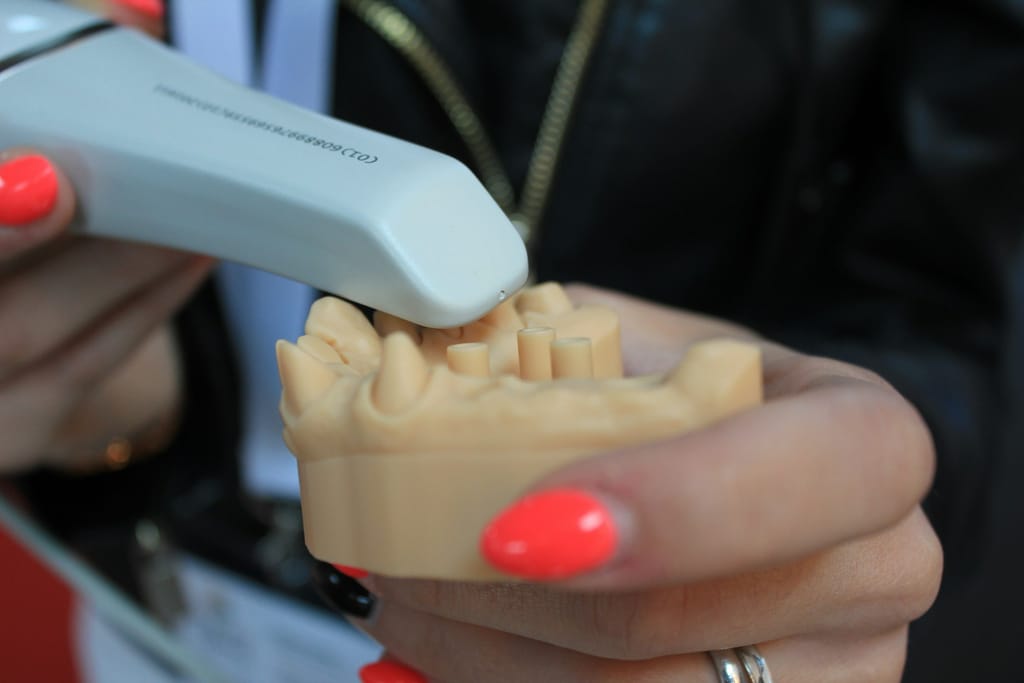
Digital workflow
Digital dentistry
How scanning, computer design and milling connect in restorative care, what they help with and where conventional methods still apply.
Explore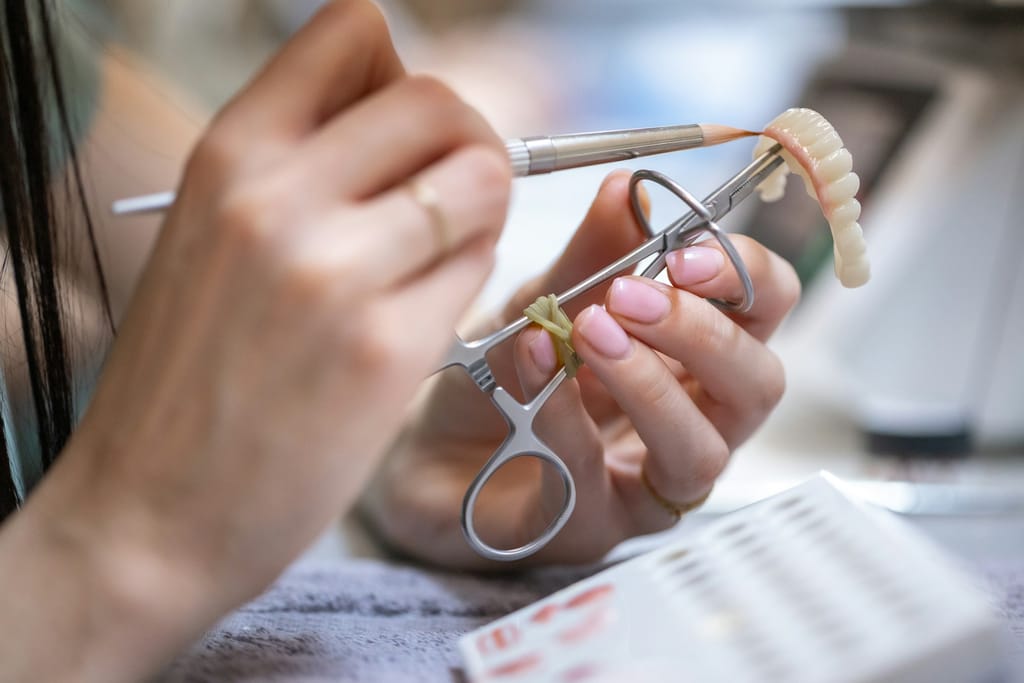
Approach
Clinical and technical approach
How clinical judgement and technical knowledge meet at every stage of a restoration, from first assessment to final fitting.
Explore
Consultation
Request a consultation
Send a short request and the team will contact you to arrange a consultation time.
ExploreNext step