Saelix Podcast · Russian, with English subtitles
From the lab to the chair.
Dr Abbasov talks about how he started, why he trained as a dental technician first, what moving into clinical dentistry changed, and how digital tools fit into his work. 3:04 minutes.
In this conversation Dr Abbasov describes single-visit crowns. Whether one visit is suitable, and how long it takes, depends on a clinical assessment; complex cases may need more than one appointment. How same-day care works
Produced and first published by the Saelix Podcast. Featured here with the producer's footage.
Chapters
Read the transcript
From the episode's English subtitles, a translation of the Russian conversation. Questions are the host's.
- HostWhere did your journey in dentistry begin?
- Dr AbbasovLike everyone, I had a toothache. They pulled my teeth, and it really hurt. I asked my dentist if it could be done without pain. And he said: grow up, become a dentist, and do it painlessly yourself.
- HostWhy did you first train as a dental technician?
- Dr AbbasovIt just happened. I was scared to apply to university, because my Russian wasn't very good. So I went to college to train as a dental technician. Once I qualified as a technician, I found the courage to apply to university.
- HostWhen did you realise you wanted to be a dentist?
- Dr AbbasovWhen I was spending day and night in the lab, working a lot as a technician. And the most let's say, unfair part: I made things with my hands, but never saw the patients' emotions.
- HostWhat was hardest on the road from technician to dentist?
- Dr AbbasovWorking and studying at the same time. It was very hard to find time to study. And I had to keep working, because I couldn't stop my practice.
- HostDoes your technician experience help you as a dentist?
- Dr AbbasovOh, it helps very, very much, because I see the whole picture. Not just that. A dentist usually sees only what happens in the mouth. I see the whole process: how it's made in the lab, how it's built. How it… These are the things that will affect the bite in the future.
- HostDoes it give you a different sense of aesthetics and of treatment?
- Dr AbbasovDirectly. Without a technician's knowledge, I probably wouldn't see half of what I see.
- HostWhich area of dentistry interests you most today?
- Dr AbbasovProsthodontics, that is, restorations. Veneers, crowns and so on, and also partly surgery, which I find very interesting.
- HostWhat can you say about digital technology in dentistry?
- Dr AbbasovDigital technology has made dentistry much easier for doctors, especially for someone like me, who came from the lab, because right in the clinic we make crowns. We call it single visit. And the patient leaves with a new tooth just two or three hours later.
- HostWhat kind of doctor do you want to be for your patients?
- Dr AbbasovMore than anything, I want to be a friend to my patients. Simply a good companion. And then I'll solve all their problems.
- HostAnd the final one: If you had to start over today, would you choose dentistry again?
- Dr AbbasovDefinitely, because I've tried other fields, like business and so on. What I do best is treating people.
In his words
Three lines worth keeping.
“A dentist usually sees only what happens in the mouth. I see the whole process: how it's made in the lab, how it's built.”
“Without a technician's knowledge, I probably wouldn't see half of what I see.”
“I made things with my hands, but never saw the patients' emotions.”
Quotes are taken from the episode's English subtitles, a translation of the Russian conversation.
Keep reading
The approach behind the conversation
Approach
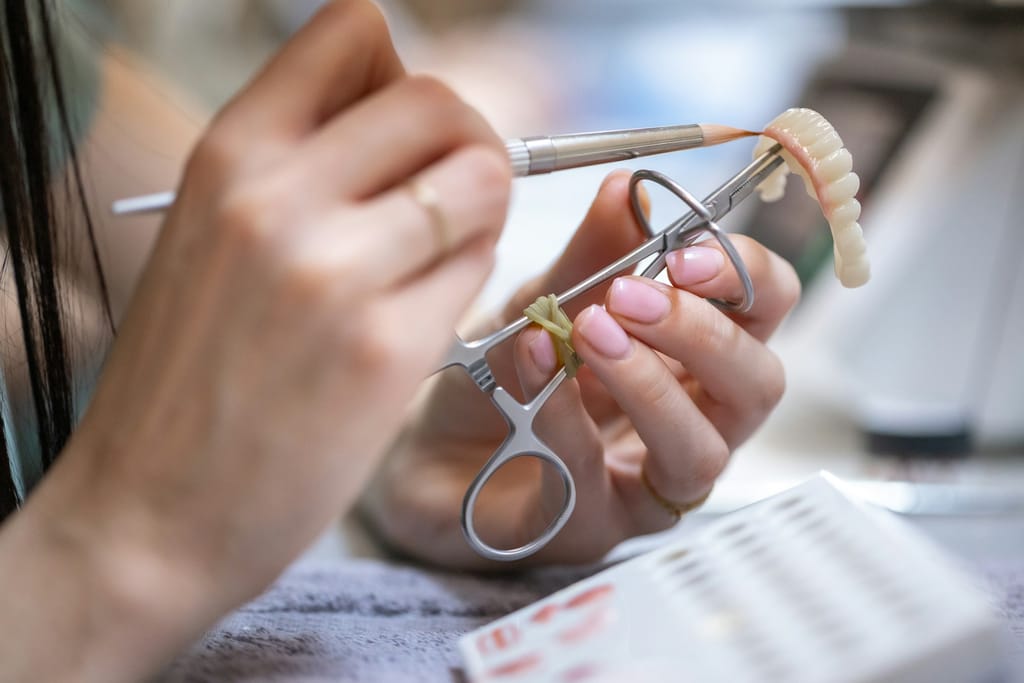
Clinical and technical approach
How clinical judgement and technical knowledge meet at every stage of a restoration, from first assessment to final fitting.
Explore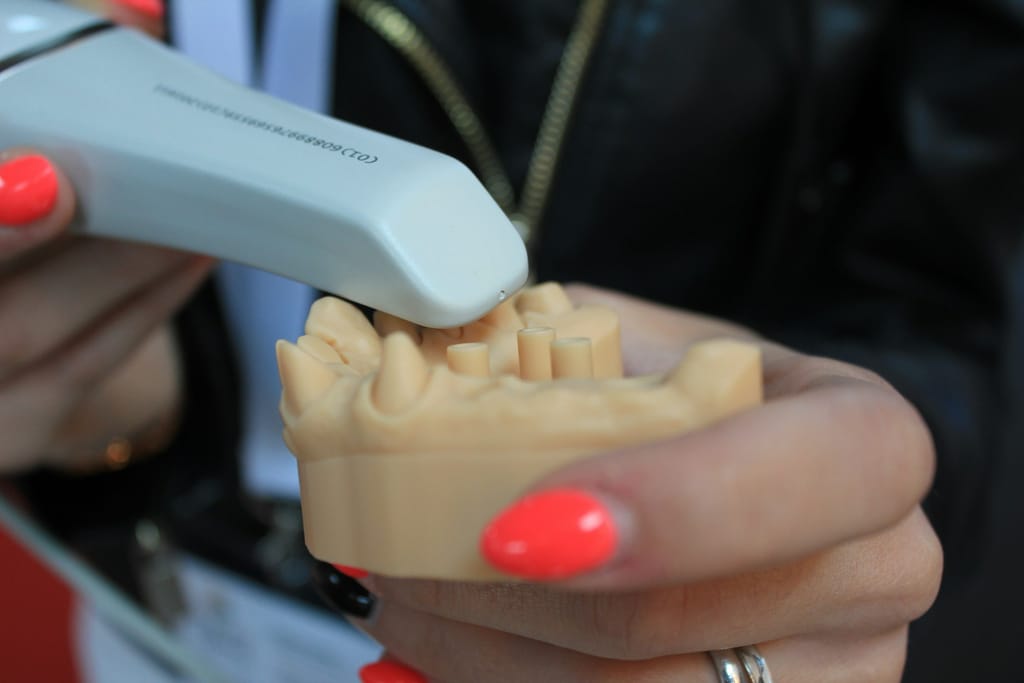
Digital workflow
Digital dentistry
How scanning, computer design and milling connect in restorative care, what they help with and where conventional methods still apply.
Explore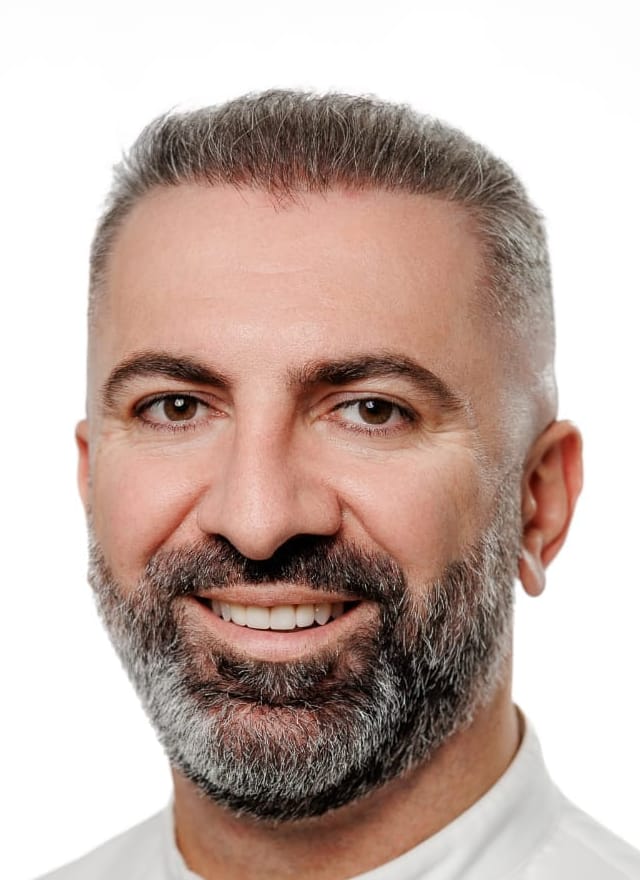
About
About
A General Dentist in Dubai who is also a trained dental technician, combining clinical care with a detailed understanding of how restorations are made.
Explore