Restorative treatment
Dental crowns
A crown is a restoration that covers the whole visible part of a tooth. It is generally used to protect and rebuild a tooth that has lost too much structure to be repaired reliably with a filling.
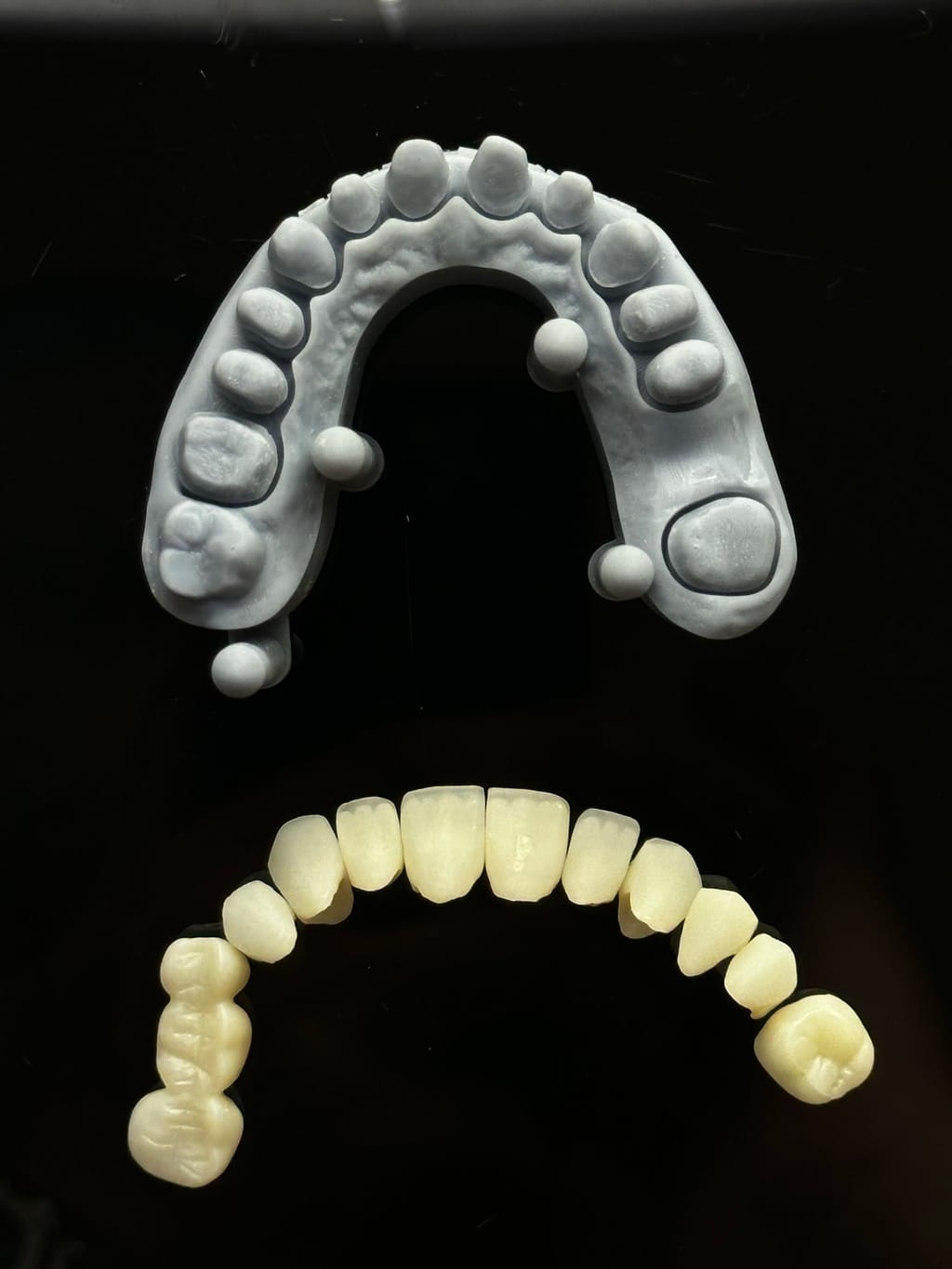
What a crown is for
A dental crown, sometimes called a cap, fits over a tooth that has been shaped to receive it and is cemented or bonded in place. Crowns can be made from ceramic, from metal, or from metal with a ceramic covering.
Crowns are commonly discussed when a tooth has been weakened by large fillings, decay or a fracture, after root canal treatment on a back tooth, or when a heavily worn or misshapen tooth needs rebuilding. Crowns are also fitted on dental implants, which the implant-supported restorations page covers.
Because a crown covers the tooth all the way round, it changes both strength and appearance. It also means more of the natural tooth is reshaped than for a porcelain veneer.
What an assessment looks at
Whether a crown is a sensible option depends on the tooth and its surroundings. Dr Elchin Abbasov looks at:
Remaining tooth structure
How much sound tooth is left once old fillings and decay are removed, and whether it can hold a crown securely.
Root and nerve health
Whether the nerve is healthy, whether root canal treatment is needed first, and how the root and surrounding bone look on X-rays.
Gum and bone support
Healthy gums and adequate bone around the root are needed for the tooth to support a crown over time.
Bite and habits
How the tooth meets the opposing teeth, and whether grinding or clenching may affect the choice of material.
Position in the mouth
A front tooth and a back molar make different demands, one weighted towards appearance and the other towards strength.
Neighbouring teeth
The colour, shape and existing restorations of nearby teeth, so the crown suits the overall picture.
Stages of crown treatment
This is the usual sequence. Not every case uses every step, and the timing depends on the tooth.
Examination and diagnosis
Examination, X-rays and a discussion of the options and their limits, including whether the tooth can be restored predictably at all.
Preparing the foundation
Decay and failing fillings are removed and, where needed, the core of the tooth is rebuilt so the crown has a sound base.
Shaping the tooth
An even layer is removed from the outside of the tooth to make space for the crown material, usually under local anaesthetic.
Digital impression
An intraoral scan records the prepared tooth, its neighbours and the bite as a 3D image, in place of traditional impression putty in many cases.
Design and manufacture
The crown is designed digitally and made either in the clinic, through in-clinic milling that carves it from a solid ceramic block, or by a dental laboratory.
Fitting and review
Fit, contact with neighbouring teeth, colour and bite are checked before the crown is cemented or bonded, then reviewed at a later visit.
Alternatives and limitations
A crown is not the answer for every damaged tooth. Other options your dentist may discuss include:
Large filling
May be enough where the remaining walls of the tooth are strong. Less tooth is removed, though very large fillings can be less durable.
Onlay or partial crown
Covers part of the biting surface, preserving more natural tooth where the damage is limited to one area.
Veneer
Covers the front surface for mainly cosmetic concerns, where the tooth is otherwise sound.
Extraction and replacement
Where a tooth cannot be restored predictably, removal and replacement with a bridge, denture or implant-supported restoration may be discussed.
Planning your appointments
A conventional crown usually involves at least two visits: one to prepare the tooth and take a scan, and one to fit the finished crown, with a temporary crown worn in between. A review afterwards is common.
More visits may be needed if the tooth needs root canal treatment or a rebuilt core first, if the gums need time to settle, or if several crowns are planned together and the bite needs careful attention.
Where a crown is designed and milled in the clinic, it can be fitted at the same appointment in selected cases, following clinical assessment. Complex cases may need more than one appointment. The same-day crowns page explains how that is decided.
Two perspectives on one crown
A crown has to suit the tooth it sits on and be strong enough in the material it is made from. With a clinical background and more than 23 years in dental technology, Dr Abbasov weighs both sides together, because each sets limits for the other.
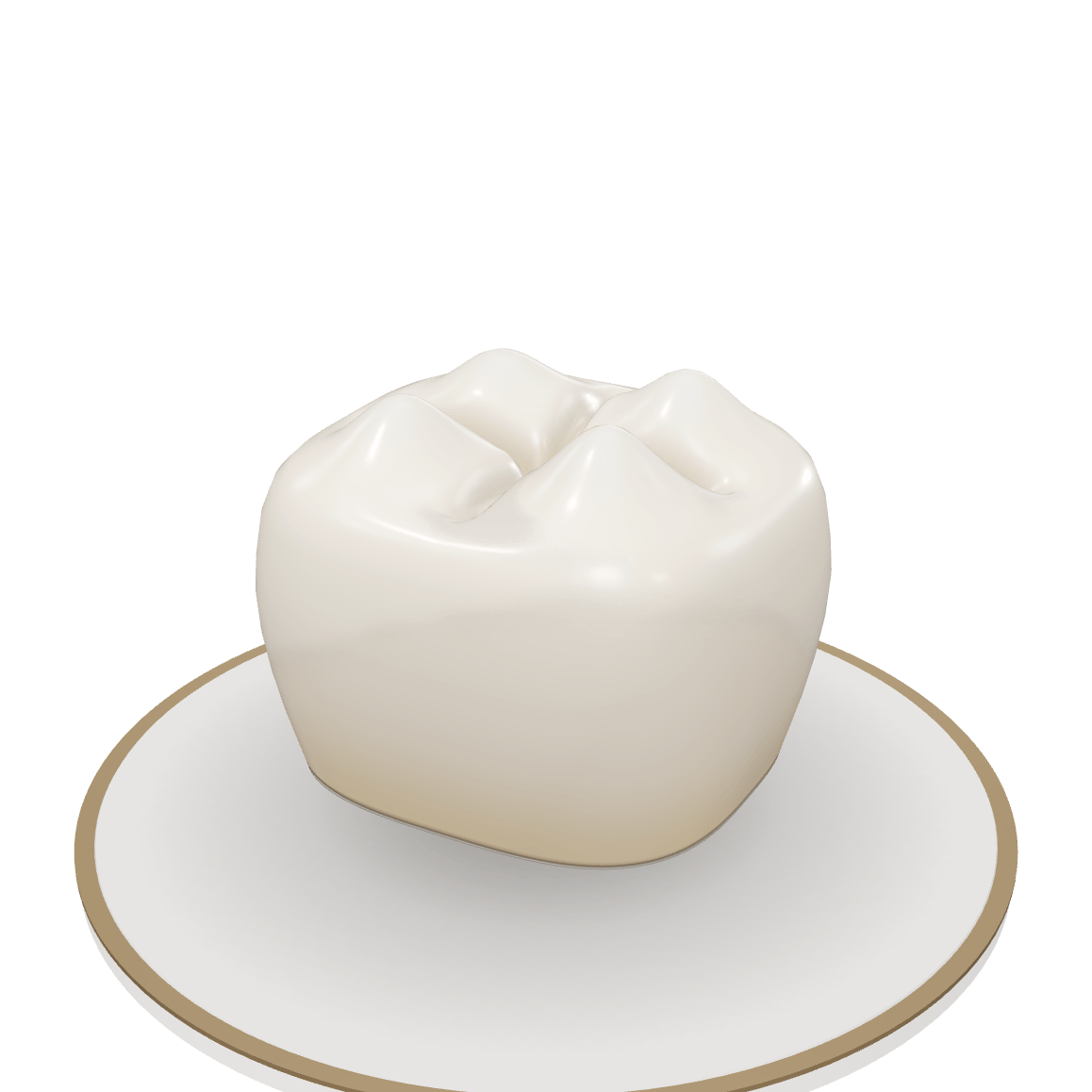
Fig. — CrownEducational 3D model, not a patient scan. Drag to rotate, or tap Explore in 3D on touch screens.
Clinical view The dentist
- Ferrule: the band of healthy tooth wall above the gum that the crown grips, which strongly influences whether a crown stays secure and the tooth resists splitting.
- Margin position: whether the edge of the crown can sit on sound tooth, and at or just below the gum, without harming gum health.
- Nerve health: shaping a tooth places stress on its nerve, so its condition is checked before preparation and monitored afterwards.
- Occlusion: how the crown will meet the opposing teeth in biting, chewing and sideways jaw movements.
- Tooth history: previous root canal treatment, cracks or posts inside the root change what the tooth can tolerate.
Technical view The technician
- Material choice: high-strength ceramics such as zirconia, a very strong tooth-coloured ceramic, where loads are heavy, and more translucent ceramics where appearance leads.
- Minimum thickness: each ceramic needs a minimum thickness to be strong, which determines how much the tooth has to be reduced.
- Margin design: the shape of the prepared edge affects how accurately the crown seats and how well the join can be cleaned.
- Contacts and contour: correctly placed contacts with neighbouring teeth reduce food trapping, and a natural contour supports the gum.
- Colour and surface: shade, translucency and surface texture are matched to neighbouring teeth, which matters most at the front of the mouth.
Risks, limitations and maintenance
Your dentist will explain the risks relevant to you. In general terms:
- Preparing a tooth for a crown removes a significant amount of structure, and this cannot be reversed.
- The nerve of a crowned tooth can become inflamed, sometimes needing root canal treatment later.
- Decay can develop at the edge of a crown if plaque is not removed, so cleaning along the gum line matters.
- Ceramic can chip and crowns can loosen, particularly under heavy grinding.
- Gums can recede over time and reveal the crown margin.
- Crowns do not last indefinitely. Cleaning between teeth, regular check-ups and a night guard where grinding is a concern all help. Caring for restorations covers this in more detail.
Questions you may want to ask
Useful questions to take to a consultation. The guide to preparing for a consultation has more.
- Can this tooth be restored with something more conservative than a crown?
- Does the tooth need root canal treatment or a core build-up first?
- Which material would you consider for this tooth, and why?
- Where will the edge of the crown sit relative to my gum?
- Could this crown be made in the clinic, or does it need a laboratory?
Questions
Frequently asked
General answers only. Your dentist will explain what applies to you.
What does getting a crown feel like?
The tooth is usually numbed with local anaesthetic while it is prepared. Some sensitivity or gum tenderness afterwards is common and usually settles. Your dentist will explain what to expect for your tooth.
Will a crown look like a natural tooth?
Tooth-coloured ceramic crowns are designed to match the shade, shape and surface of neighbouring teeth. How closely they blend depends on the tooth, the material and the colour of the tooth beneath, and these are discussed during planning.
What is the difference between a crown and a veneer?
A veneer covers the front of a tooth and is mainly used to change its appearance. A crown covers the whole visible tooth and is generally used where the tooth also needs protecting or rebuilding. The treatments overview compares them.
Do I need a crown after root canal treatment?
Back teeth that have had root canal treatment are often discussed for a crown or onlay, because they can be more prone to fracture. Front teeth sometimes do not need one. Your dentist will discuss this based on how much tooth remains.
Keep reading
Related information

Same-day treatment
Same-day crowns
When a crown may be prepared, milled and fitted in one visit, what has to be checked first, and why some teeth need more appointments.
Explore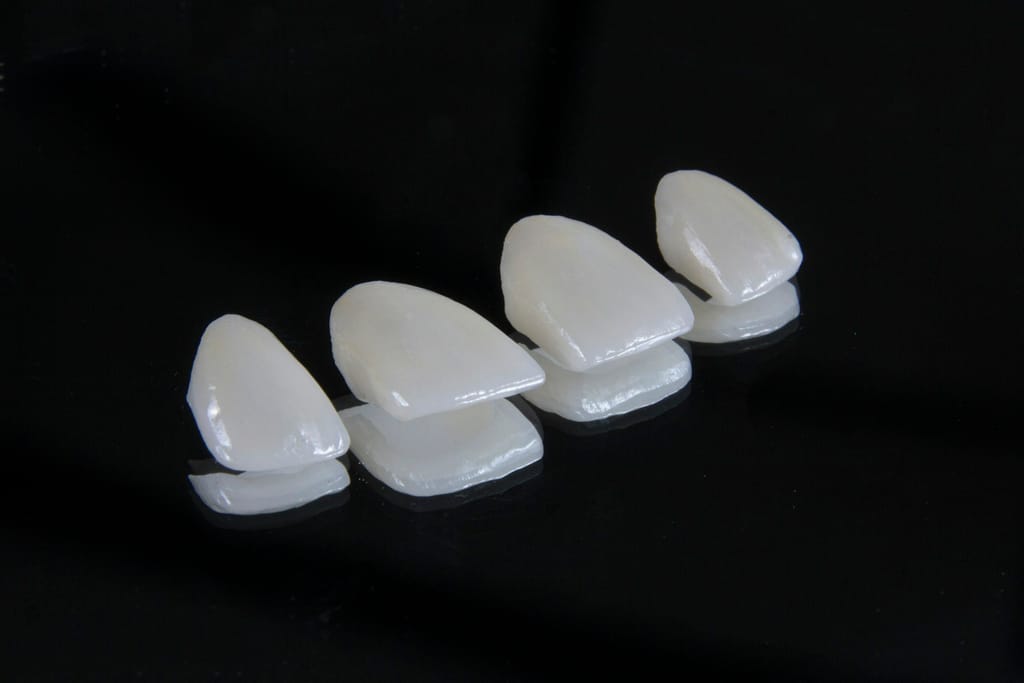
Aesthetic treatment
Porcelain veneers
Thin ceramic layers bonded to the front of teeth to refine shape, colour and proportion where the tooth beneath is sound.
Explore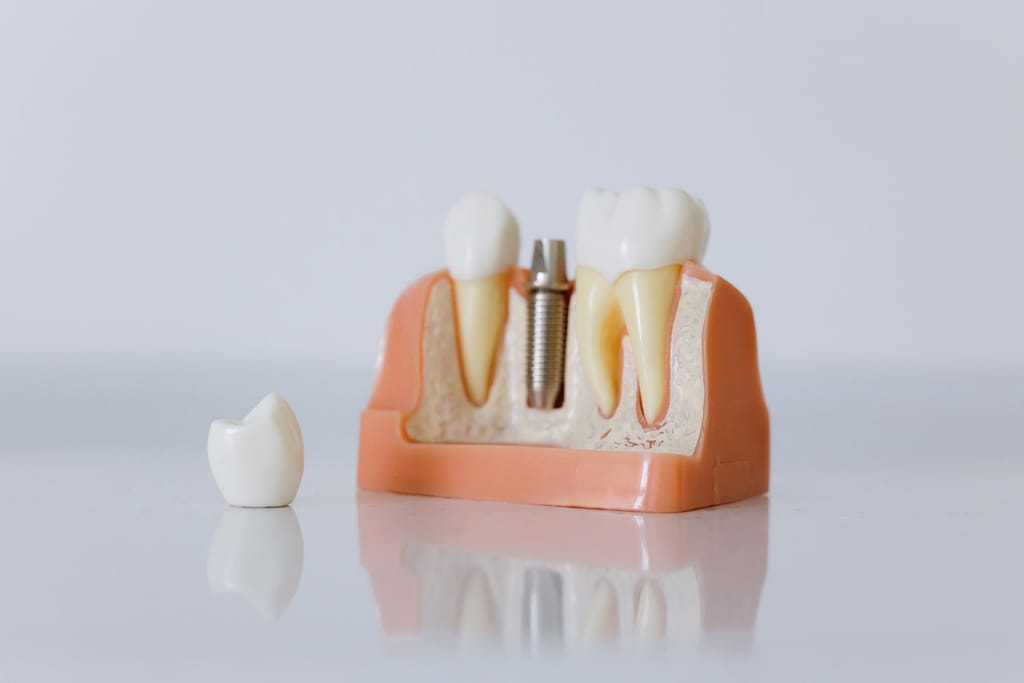
Restorative treatment
Implant-supported restorations
The crowns, bridges and prostheses that attach to dental implants, planned with the final teeth in mind from the start.
Explore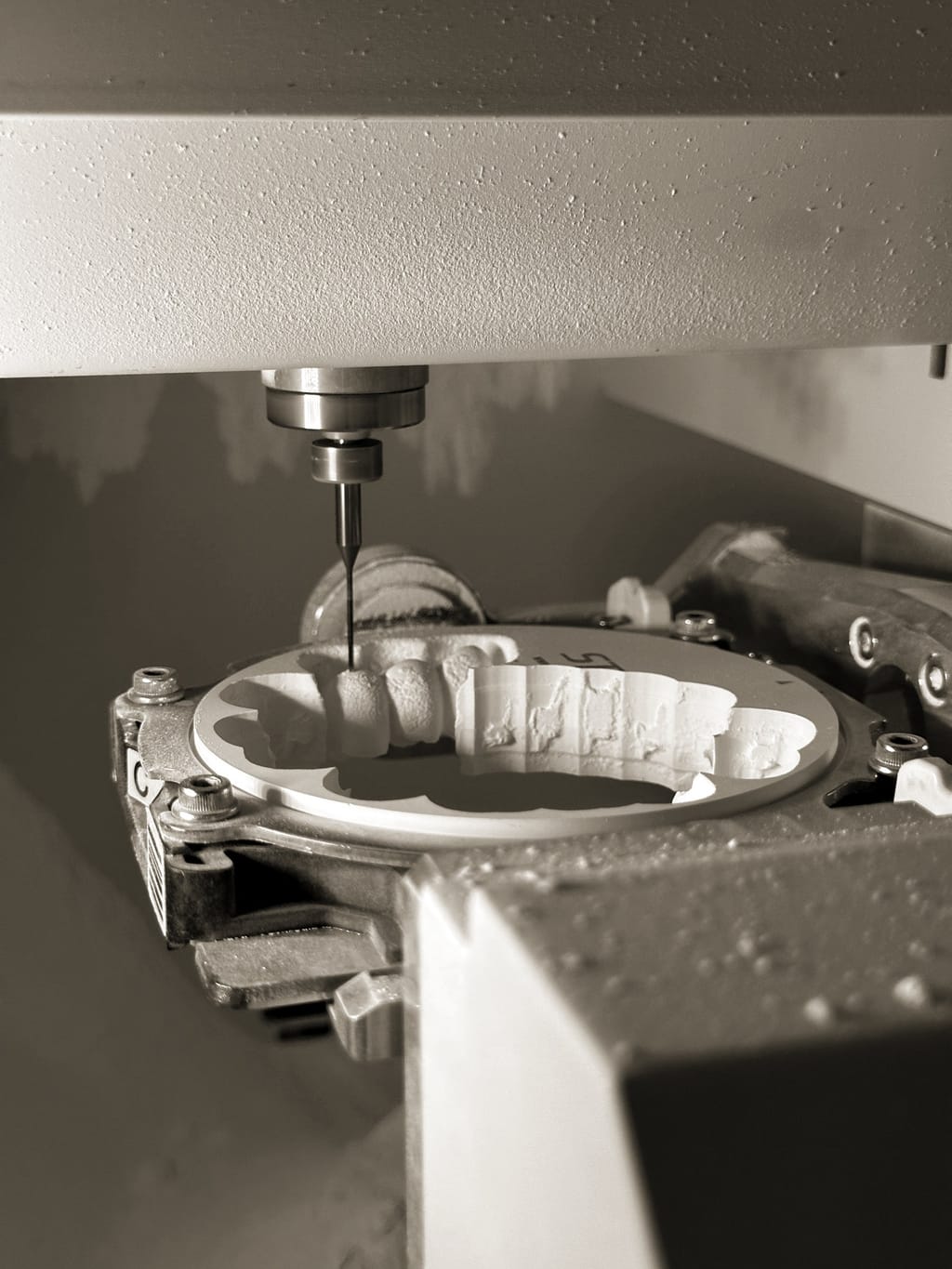
Technology
In-clinic milling
How a crown or veneer is milled from a ceramic block and finished within the practice, and when laboratory work may be the better route.
ExploreNext step