Treatment
Aesthetic and restorative dentistry
An approach that treats how teeth look and how they work as one question. Options are weighed from the most conservative upwards, and the plan follows what assessment shows rather than a fixed menu of treatments.
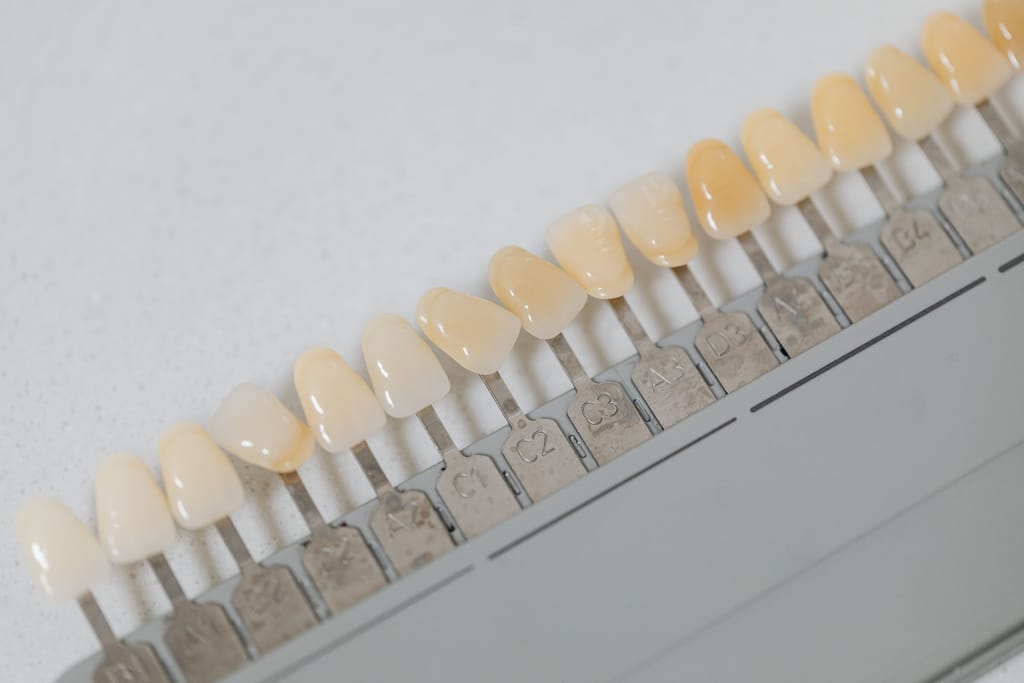
What the term means
Restorative dentistry repairs or replaces tooth structure lost to decay, wear, fracture or missing teeth. Aesthetic dentistry is concerned with how teeth look: their colour, shape and proportion, and how they sit within the smile and the face. In practice the two are rarely separate.
A crown that looks natural but does not meet the opposing teeth properly may chip or feel uncomfortable. A strong restoration that ignores colour and shape can leave someone self-conscious about smiling. Aesthetic restorative dentistry plans for both at the same time.
Dr Elchin Abbasov is a DHA-licensed General Dentist in Dubai whose focus is aesthetic and restorative work. He trained as a dental technician before qualifying as a dentist, and that shapes how he plans: a restoration is considered with its material, thickness and fabrication in mind from the first conversation.
What an individual assessment considers
Assessment looks at the whole mouth, not a single tooth in isolation. Your dentist will explain what each finding means for you.
Your concerns and goals
What you would like to change, what matters most to you, and what you would prefer to keep as it is.
Oral health
Gums, decay, existing restorations and any signs of infection. Health comes before appearance in the sequence of care.
Tooth structure
How much natural tooth remains and how sound it is, which shapes whether bonding, a veneer, an onlay or a crown is reasonable.
Bite and function
How the teeth meet, signs of grinding or wear, and whether the jaw muscles or joints show strain.
Smile proportions
Tooth length and width, the gum line, and how the teeth relate to the lips and face when speaking and smiling.
Long-term maintenance
How the result will be cleaned and checked, and how it could be repaired or replaced in future.
How treatment options are selected
Plans differ from person to person, but the reasoning usually follows this order.
Listen and record
Concerns are discussed and records gathered: an examination, X-rays where needed, photographs and often a digital scan of the teeth.
Stabilise health
Decay, gum problems or infection are addressed first, so that later work sits on a healthy foundation.
Consider conservative options
Whitening, orthodontic alignment, polishing or small bonded repairs are weighed before more extensive restorations.
Plan restorations where needed
If restoration is appropriate, materials and designs are compared, sometimes with a digital design preview or a trial shape.
Treat in a sensible sequence
Work is staged so each step supports the next. Selected cases may be suitable for same-day restorations following clinical assessment; complex cases may need more than one appointment.
Review and maintain
Restorations and gums are reviewed after treatment, and a maintenance routine is agreed.
Options from conservative to extensive
These are examples of what may be discussed, not a menu. Your dentist will explain which, if any, are relevant to you, along with their limitations.
Whitening and alignment
Change colour or position without altering tooth structure, although not every concern responds and results vary between people.
Composite bonding
Resin added directly to the tooth. Usually conservative and repairable, but more prone to staining and wear than ceramic.
Veneers
Thin ceramic bonded to the front surface to change shape or colour, where enough enamel remains. See porcelain veneers.
Onlays and crowns
Partial or full coverage for teeth that have lost more structure, where strength is the first concern.
Wider rebuilding
Where teeth are missing, or many teeth and the bite need rebuilding together, as in full-mouth rehabilitation.
Appointment planning
How many visits a plan takes can vary widely. A small bonded repair may be completed at a single appointment, while a plan involving gum treatment, alignment and several restorations is spread over a number of appointments so that each stage can settle.
Spacing is not about delay. It allows the gums to heal, a trial shape to be lived with and the bite to be checked before anything definitive is made. Your dentist will explain the likely sequence once the assessment is complete.
Clinical and technical perspectives
Dr Abbasov plans aesthetic restorative work from two angles at once. The clinical view asks what the mouth needs and can support; the technical view asks what can be made well and how it will behave.
Clinical view The dentist
- Health first: gums, decay and existing restorations are addressed before cosmetic change
- Preserving natural tooth where a less invasive option can meet the goal
- Bite and function: how the restorations will meet and how chewing forces are shared
- Gum line and smile line: how much tooth and gum show when speaking and smiling
- How the patient will clean and maintain the result at home
Technical view The technician
- Choosing a material for each tooth by strength, translucency and the space available
- Thickness: how much room a material needs, which links directly to how much tooth is prepared
- Colour: matching value (brightness), hue and translucency to the neighbouring teeth
- Surface texture and lustre, which change how light reflects from a tooth
- Whether a restoration is milled in the clinic or layered in a laboratory, depending on what the tooth needs
Risks, limitations and maintenance
Your dentist will explain the risks relevant to you. In general terms:
- Any restoration can chip, wear or stain, and may need repair or replacement over time
- Preparing a tooth is not reversible
- Teeth may feel sensitive for a period after treatment
- Gums can recede, changing how a restoration looks at the gum line
- Grinding increases the load on restorations, and a night guard may be advised
- Regular check-ups and good home care help maintain both function and appearance. See caring for restorations.
Questions you may want to ask
- Is there anything about my oral health that should be treated first?
- Which conservative options would you consider for my concerns, and what are their limits?
- How would each option affect my bite and how my teeth work?
- How much natural tooth would each option need to remove?
- What maintenance would the result need over time?
- What should I prepare before the consultation? There is a short guide to preparing for a consultation.
Questions
Frequently asked
General answers only. Your dentist will explain what applies to you.
What is the difference between aesthetic and restorative dentistry?
Restorative dentistry repairs or replaces damaged or missing tooth structure; aesthetic dentistry focuses on how teeth look. Aesthetic restorative dentistry plans both together, so a restoration is expected to work well and look natural.
Does conservative-first mean the smallest possible treatment?
It means less invasive options are considered first and chosen where they can meet the goal reliably. Sometimes a more extensive restoration is the more sensible choice, for example when a tooth is already heavily filled.
Will my treatment be decided at the first appointment?
A first consultation is for assessment and discussion. Options may be outlined, but a plan usually follows once the records have been reviewed and your questions answered.
Can aesthetic treatment be planned if I grind my teeth?
Often it can be planned around, but grinding affects material choice, design and maintenance, and it may need to be addressed first. Your dentist will discuss this with you.
Keep reading
Related information
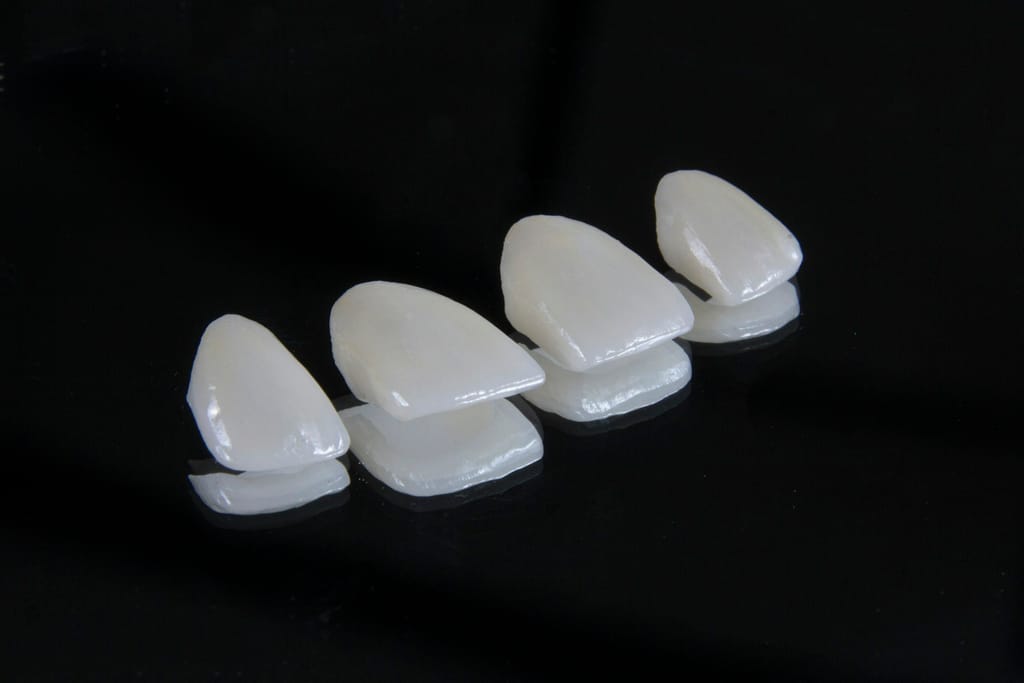
Aesthetic treatment
Porcelain veneers
Thin ceramic layers bonded to the front of teeth to refine shape, colour and proportion where the tooth beneath is sound.
Explore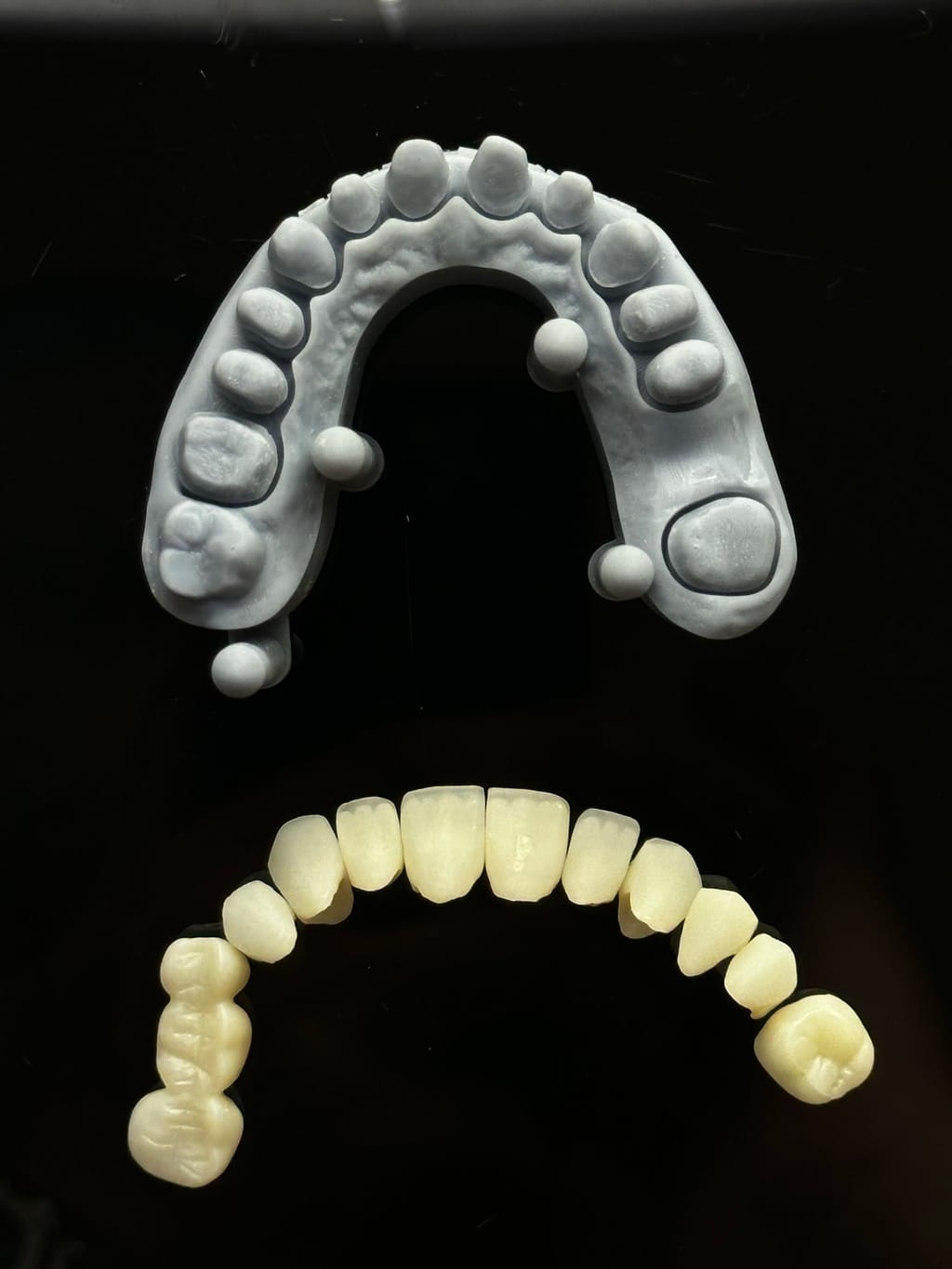
Restorative treatment
Dental crowns
Restorations that cover the whole visible tooth, often discussed when decay, fracture or large fillings have weakened it.
Explore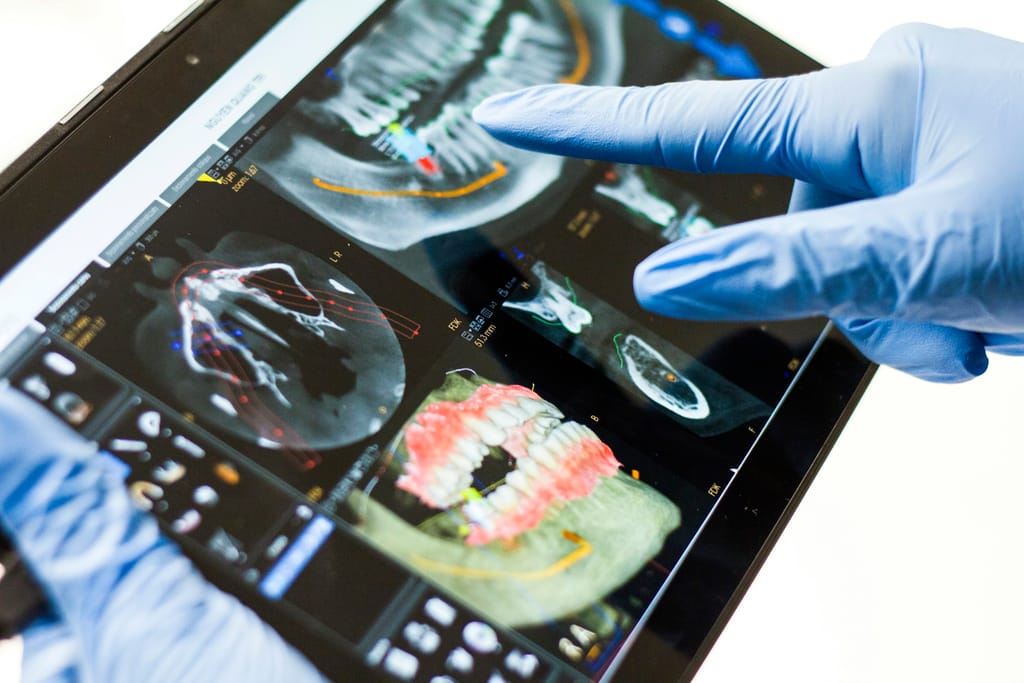
Treatment planning
Digital smile design
How photographs, scans and smile proportions are used to plan and preview changes before treatment, and what a preview can and cannot show.
Explore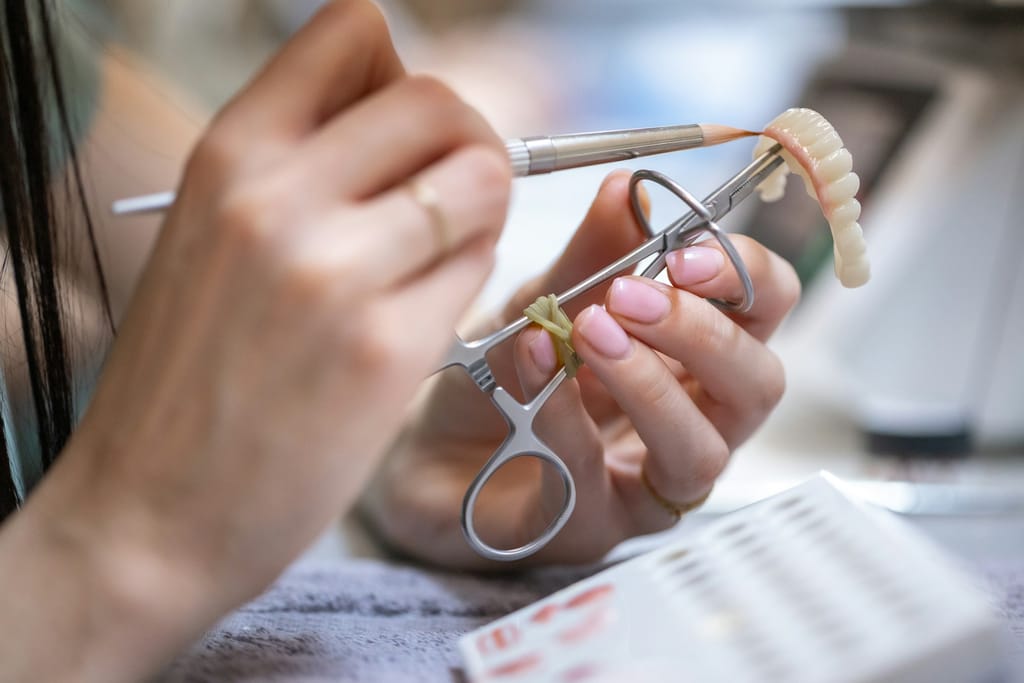
Approach
Clinical and technical approach
How clinical judgement and technical knowledge meet at every stage of a restoration, from first assessment to final fitting.
ExploreNext step