Same-day treatment
Same-day veneers: the one-visit planning question
In selected cases, following clinical assessment, a veneer may be designed, milled and fitted in a single visit. Whether that is sensible for your teeth depends on decisions made before the scan, and complex or highly characterised cases may need more than one appointment.
What this page covers
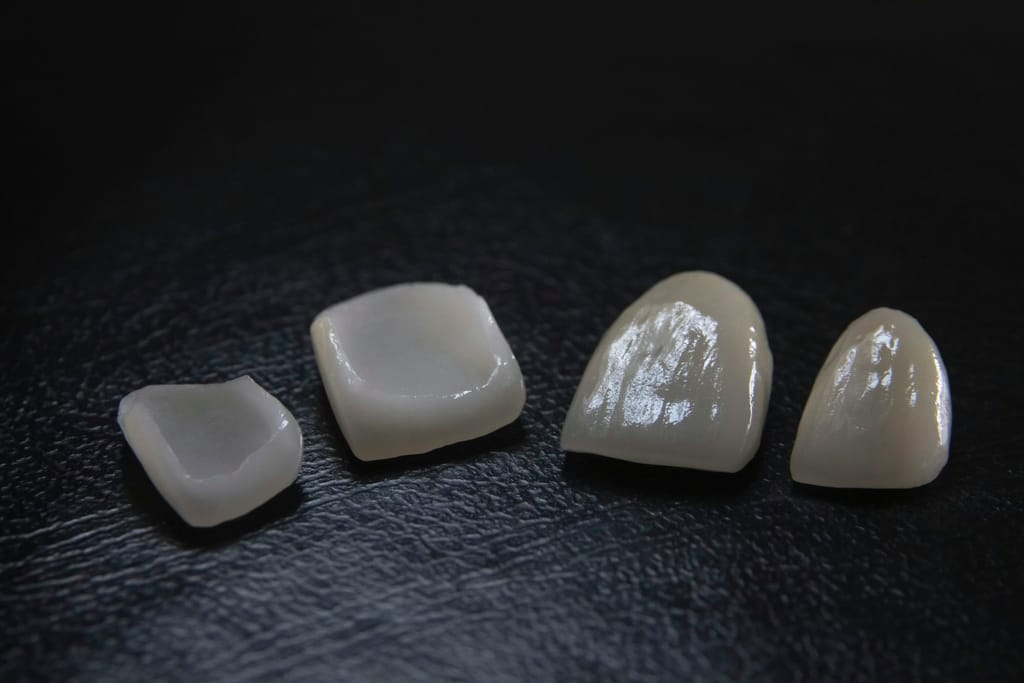
A veneer is a thin layer of ceramic or composite bonded to the front of a tooth to change its shape, colour or proportion. The general questions about veneers, what they can and cannot change and how they compare with other options, are covered on the porcelain veneers page. This page looks at a narrower question: whether a veneer can sensibly be planned, made and fitted in one visit.
A one-visit veneer is designed on screen from a digital scan and milled in the clinic from a solid block of material. In selected cases, following clinical assessment, this can shorten the process. Complex cases, several veneers that must work together, or a tooth that needs subtle layered colour may need more than one appointment.
The aim is not speed for its own sake. It is to match the workflow to the tooth.
Who may be considered for a one-visit veneer
These are the questions an assessment considers; your dentist will discuss how they apply to you.
A small number of teeth
One or two veneers with a clear goal are easier to plan in one sitting than a full set of front teeth.
Healthy gums and sound enamel
Veneers bond most reliably to enamel, the hard outer layer of the tooth. Gum inflammation or decay usually needs attention first.
A stable bite
Grinding, clenching or an edge-to-edge bite places load on thin ceramic and may change the plan, the material or the thickness.
The colour beneath
A darkened tooth can show through thin material. Masking it may call for a thicker or layered restoration.
A settled design
If the shape and length of the teeth are still being explored, a trial or mock-up before the final veneer may be more sensible than finishing in one visit.
Material choice
Milled ceramics and composites suit many cases. Some highly characterised front teeth are better matched with hand-layered ceramic made in a laboratory.
Planning and treatment stages
Where a veneer is judged suitable for a one-visit approach after clinical assessment, the stages usually run in this order. Any stage can show that a second appointment is needed.
Consultation and examination
Teeth, gums, bite and existing restorations are examined, and your concerns about appearance are discussed. Photographs are often taken.
Design decisions
Shape, length and shade direction are agreed before any tooth is prepared, sometimes with a digital preview. See digital smile design.
Preparation
Where preparation is needed, a conservative amount of enamel is shaped to make room for the veneer. How much, if any, is decided tooth by tooth.
Scan and design
The tooth is scanned and the veneer designed on screen, including its thickness, contour and margin, the edge where veneer meets tooth.
Milling and characterisation
The veneer is milled in the clinic, then stained, glazed or polished to refine its colour and surface.
Try-in, bonding and review
The veneer is tried in for fit and colour, bonded, and the bite checked. A review allows the gums and the result to be assessed once settled.
Alternatives and limitations
A one-visit veneer is one option among several. Your dentist will discuss which are relevant to you.
Laboratory veneers
Made by a technician over more than one visit, often with a temporary in between. This allows ceramic to be layered by hand for complex colour.
Composite bonding
Tooth-coloured resin applied directly to the tooth. It may need less preparation, but it can stain and wear differently from ceramic over time.
Whitening or alignment first
Changing tooth colour or position first can sometimes reduce how much needs to be done.
A crown instead
Where a tooth has lost a lot of structure, a crown may be more appropriate than a veneer.
How many appointments to expect
The number of visits can vary. In selected cases, following clinical assessment, the veneer is designed, milled and fitted in one appointment, with a review afterwards. Complex cases may need more than one appointment.
A second visit may be planned from the start, for example to trial a shape, to let the gums settle after a small adjustment, or to have the veneer layered in a laboratory. It may also be decided on the day if the tooth or the shade turns out to need more time.
Shade and translucency: chairside or layered
Natural front teeth are rarely one colour. They are often more translucent at the biting edge and warmer near the gum, and many carry small white or amber characteristics. Matching that is the hardest part of any veneer.
A milled veneer starts from a block with a colour gradient already built in. It can then be refined chairside with surface stains and glaze, which works well for many single teeth and for neighbours that are fairly even in colour.
Layered ceramic is built up by hand in thin stages, each with its own shade and translucency, then fired. It allows more internal character, which can matter when a veneer must match a very characterised neighbour or mask a dark tooth. That work usually takes more than one appointment.
Clinical and technical perspectives
Dr Elchin Abbasov trained as a dental technician before qualifying as a dentist, so a one-visit veneer is planned from both sides of the chair. These are the questions each side asks.
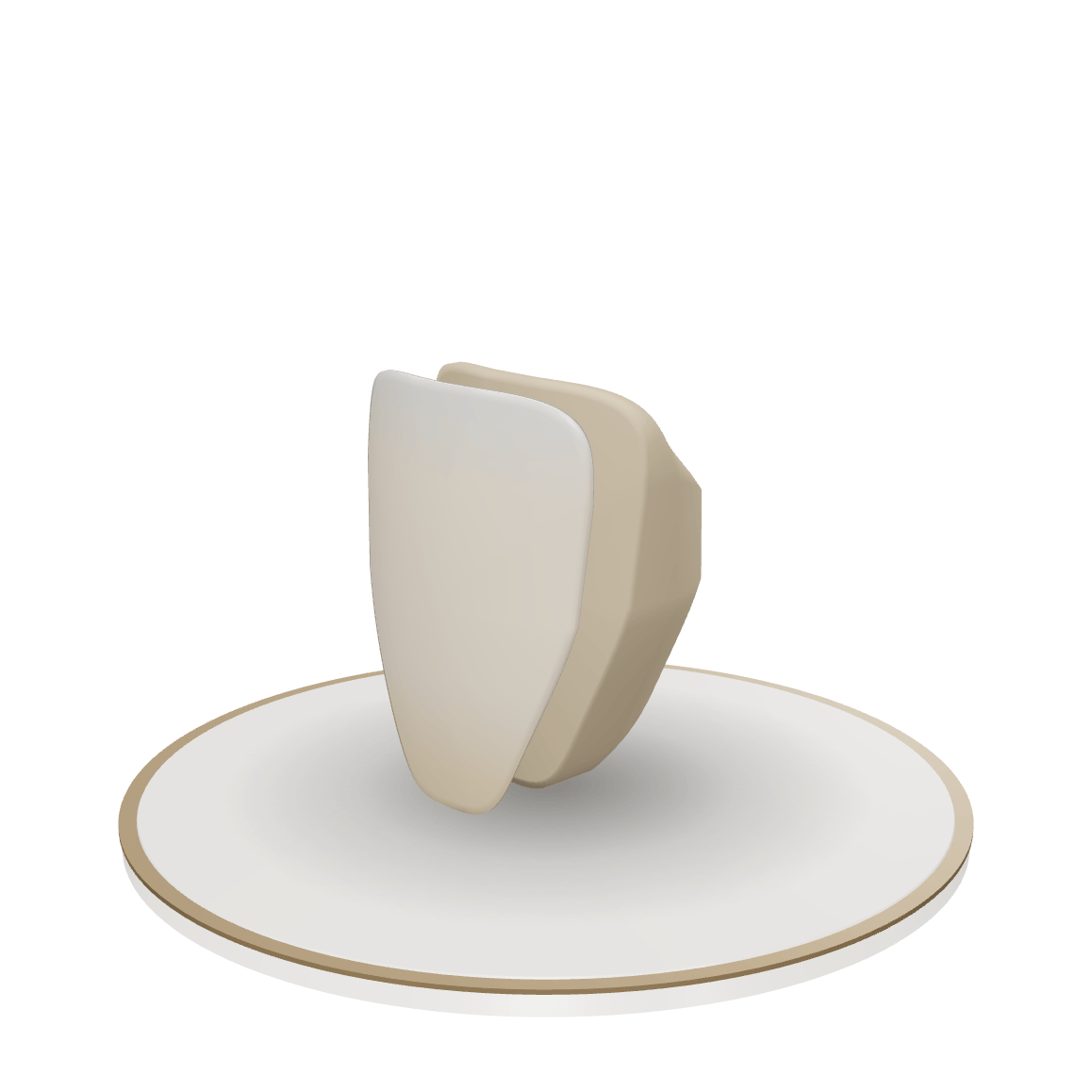
Fig. — VeneerEducational 3D model, not a patient scan. Drag to rotate, or tap Explore in 3D on touch screens.
Clinical view The dentist
- How much sound enamel is available for bonding, and whether preparation can stay within it
- Gum health and the position of the gum line, which affect where the edge of the veneer can sit
- The bite, including grinding and how the front teeth meet during chewing
- The colour of the tooth beneath, and whether it will show through thin material
- Whether the patient's goals are settled enough to finalise in one sitting
Technical view The technician
- The minimum thickness the chosen material needs to stay strong at its edges
- Translucency: how much light the material lets through, and how that suits the neighbouring teeth
- Emergence profile: how the veneer rises from the gum line, so it looks natural and is easy to clean
- Margin design: where and how the veneer ends on the tooth
- Milled block or layered ceramic: a block has colour graded through it, while layered ceramic is built up by hand in stages
Risks, limitations and maintenance
Your dentist will explain the risks relevant to you. In general terms:
- Preparing enamel is not reversible, even when the amount is small
- Ceramic can chip or come away, particularly with grinding or biting hard objects
- Teeth can feel sensitive for a period after bonding
- A veneer does not change colour with whitening, so the colour of neighbouring teeth is usually settled first
- Regular check-ups, careful cleaning and, where advised, a night guard help maintain the result. See caring for restorations.
Questions you may want to ask
- Are my teeth and gums healthy enough for a veneer at this stage?
- Would a milled veneer or a laboratory-layered veneer suit the colour of my neighbouring teeth better?
- How much enamel, if any, would need to be prepared?
- Would a trial or mock-up help before the final veneer is made?
- What happens if a second appointment turns out to be needed?
- What should I prepare before the consultation? There is a short guide to preparing for a consultation.
Questions
Frequently asked
General answers only. Your dentist will explain what applies to you.
Can I have a veneer fitted in one visit?
In selected cases, following clinical assessment, a veneer may be designed, milled and fitted in one visit. Complex cases, several veneers, or teeth that need layered ceramic or gum treatment first may need more than one appointment.
Can several veneers be done in one visit?
Sometimes, but the more teeth involved, the more decisions there are about shape, proportion and bite. A small number may be planned for one visit in selected cases after clinical assessment; larger or complex cases often need more than one appointment.
Will I need a temporary veneer?
If a selected veneer is fitted in the same visit following clinical assessment, a temporary is usually not needed for that tooth. If the case is planned over more than one appointment, a temporary may be placed in between.
Keep reading
Related information
Aesthetic treatment
Porcelain veneers
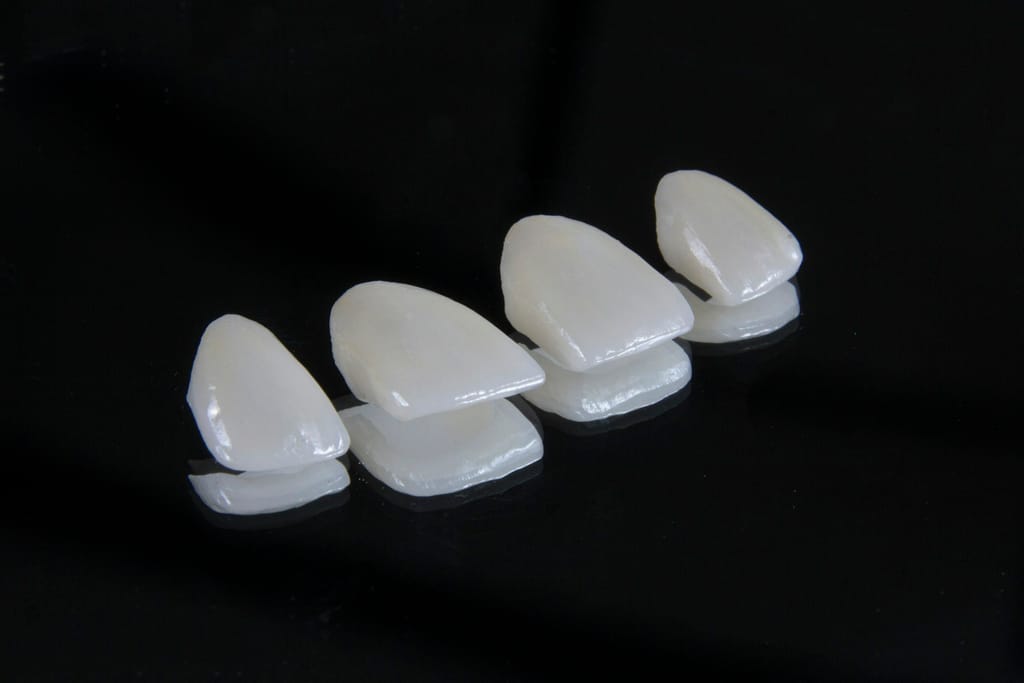
Thin ceramic layers bonded to the front of teeth to refine shape, colour and proportion where the tooth beneath is sound.
Explore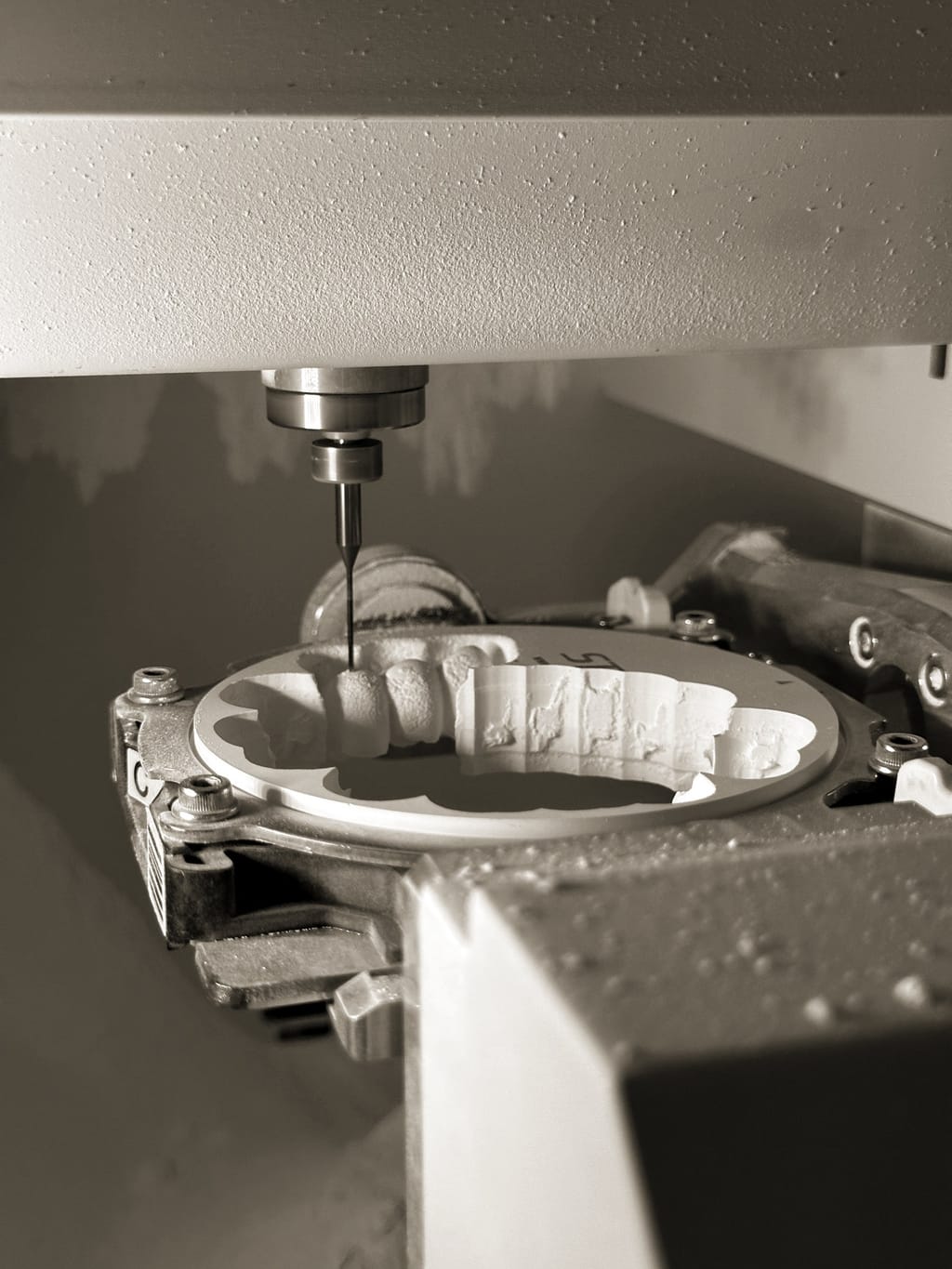
Same-day care
Same-day dentistry
How a one-visit restoration can work in selected cases, what decides suitability, and when more than one appointment is the sensible plan.
Explore
Treatment planning
Digital smile design
How photographs, scans and smile proportions are used to plan and preview changes before treatment, and what a preview can and cannot show.
Explore
Patient resource
Understanding same-day care
What decides whether a restoration can be completed in a single visit, the trade-offs involved and questions to discuss at consultation.
ExploreNext step