Approach
Two professions. One comprehensive approach to dentistry.
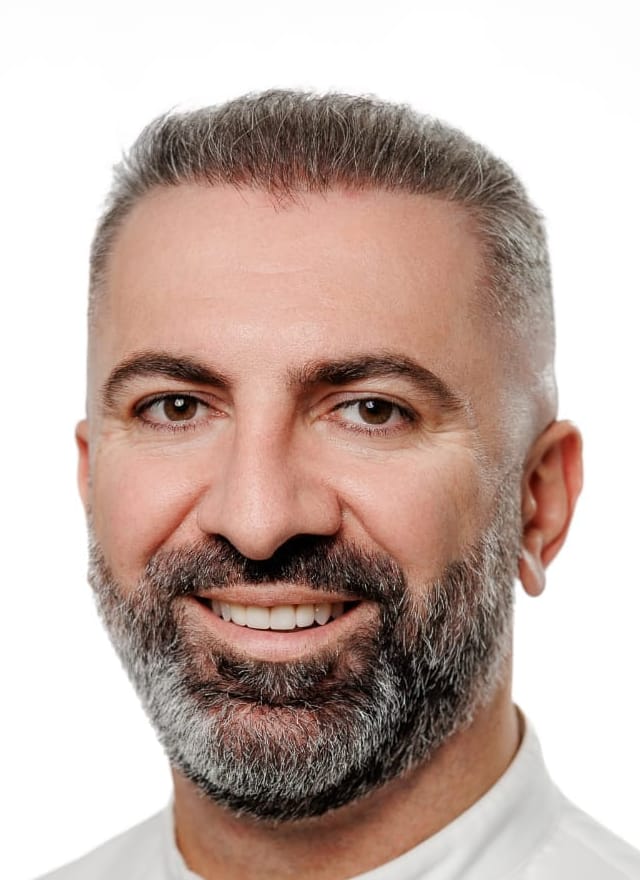
Dr Elchin Abbasov is a General Dentist who also trained and worked as a dental technician. This page explains how those two perspectives meet at each stage of restorative treatment.
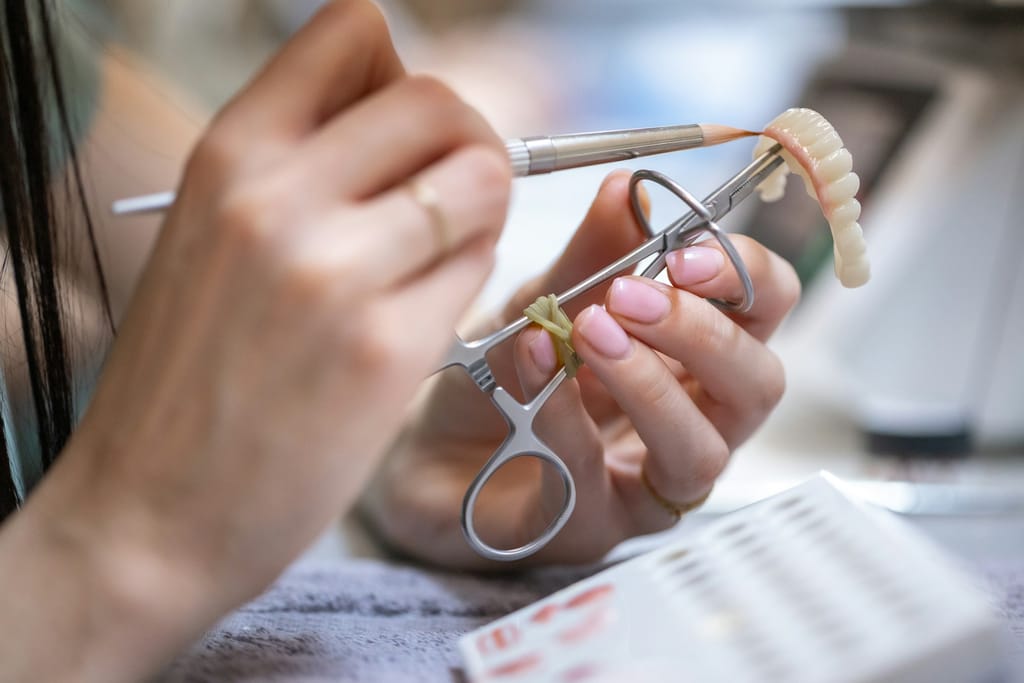
Two ways of looking at the same tooth
A dentist looking at a worn or broken tooth asks clinical questions. Is the tooth healthy enough to restore? Are the gums stable? How does the bite load this tooth when you chew? What is the least invasive way to achieve what you want?
A dental technician looking at the same tooth asks different questions. How much space is there for the material? Which material suits that space and that bite? Where will the edges of the restoration sit, and how will light pass through it?
In most dental care these questions are answered by two people who communicate through notes, photographs and scans, and that arrangement works well every day. Because Dr Abbasov has worked in both roles, he can hold both sets of questions in mind from the start. The aim is a plan that is clinically sound and practical to make.
The clinical view and the technical view
Both perspectives matter for every restoration. Here is what each one pays attention to.
Clinical view The dentist
- Health of the tooth, including decay, cracks and existing fillings
- Gum health and how the gum line sits around each tooth
- The bite: how upper and lower teeth meet and move against each other
- How much natural tooth structure can be preserved
- Your priorities, concerns and medical history
- Whether treatment is appropriate at all, or whether monitoring is enough
Technical view The technician
- Space available for the restoration material
- Material choice for strength, appearance and the forces involved
- Margin design: where and how the restoration meets the tooth
- Thickness, translucency and colour layering for a natural look
- Shape and contact points with neighbouring teeth
- How the restoration will be made, checked and finished
Where the two perspectives meet
Restorative treatment usually moves through the stages below. The number of appointments varies from person to person, and some stages may be combined or repeated.
Assessment
An examination of your teeth, gums and bite, with X-rays or photographs where they are clinically needed. Alongside the clinical findings, Dr Abbasov notes technical details such as available space and the colour and form of neighbouring teeth. Nothing is decided at this point; the aim is to understand.
Planning
Options are discussed in plain terms, including what each involves, its limitations and the alternatives. Technical feasibility is part of that conversation, so that what is proposed can realistically be made to fit. You decide whether and how to proceed.
Digital design
Where a digital workflow is used, an intraoral scan records your teeth and the restoration is designed on screen using CAD/CAM software. Margins, thickness, contacts with neighbouring teeth and the bite can all be checked before anything is made.
Fabrication
The restoration is made, either through in-clinic milling or by a dental laboratory, depending on the case and the material. Ceramic restorations are then finished by staining and glazing, which adds colour detail and surface character.
Fitting
The restoration is tried in and checked for fit, bite, colour and its relationship with the gum before it is bonded or cemented. Small adjustments are normal at this stage.
Review and maintenance
Follow-up checks look at how the restoration and the surrounding gum are settling. Long-term care is explained in caring for restorations.
Same-day treatment in context
Because design and milling can take place in the clinic, selected veneers, crowns and restorative cases may be completed in a single visit where clinically appropriate. This is decided only after a clinical assessment, and more complex cases may need more than one appointment. Understanding same-day care explains the factors involved.
What this approach does not mean
Combining two backgrounds does not change the standard steps of good dental care, and it is not a promise about any particular outcome. Every mouth is different, and some restorations need several visits, a laboratory's input or a period of healing before they can be completed.
It also does not mean every part of treatment is carried out by one person. For implant-supported restorations, Dr Abbasov's role is the restorative side: the crown, bridge or prosthesis on the implant. The implant itself may be placed by a suitable clinician as part of a coordinated plan, and suitability is assessed first.
Why it can matter to you as a patient
For patients, the most noticeable difference is often in the explanations. When the reasons behind a recommendation cover both the health of the tooth and the practicalities of the restoration, it is easier to understand why one option may suit and another may not.
It can also help when appearance matters. Matching a crown to a natural front tooth, or planning veneers that look like your own teeth, depends on both clinical preparation and technical craft. Considering both together from the beginning reduces the chance of one limiting the other. You can see how this applies to individual treatments on each treatment page.
Questions
Frequently asked
General answers only. Your dentist will explain what applies to you.
Does Dr Abbasov make the restorations himself?
Restorations may be designed and milled in the clinic or made by a dental laboratory, depending on the case and the material. In either route, his technical background informs how the restoration is planned, designed and checked. You can read about the digital workflow for more detail.
Will I notice anything different at my appointments?
Appointments follow the usual stages of assessment, planning, preparation and fitting. You may find that explanations cover the technical side as well as the clinical one, such as why a certain material or thickness is being considered.
Does a technical background mean faster treatment?
Not necessarily. The number of appointments depends on your teeth, your gums, the treatment chosen and whether any healing time is needed. Selected cases may be suitable for same-day dentistry after assessment, while more complex cases may need more than one appointment.
Is this approach used for every treatment?
Yes, the same thinking applies whether the treatment is a single crown or a full-mouth rehabilitation. What changes is the level of detail, which grows with the complexity of the case.
Keep reading
Related information
About
About
A General Dentist in Dubai who is also a trained dental technician, combining clinical care with a detailed understanding of how restorations are made.
Explore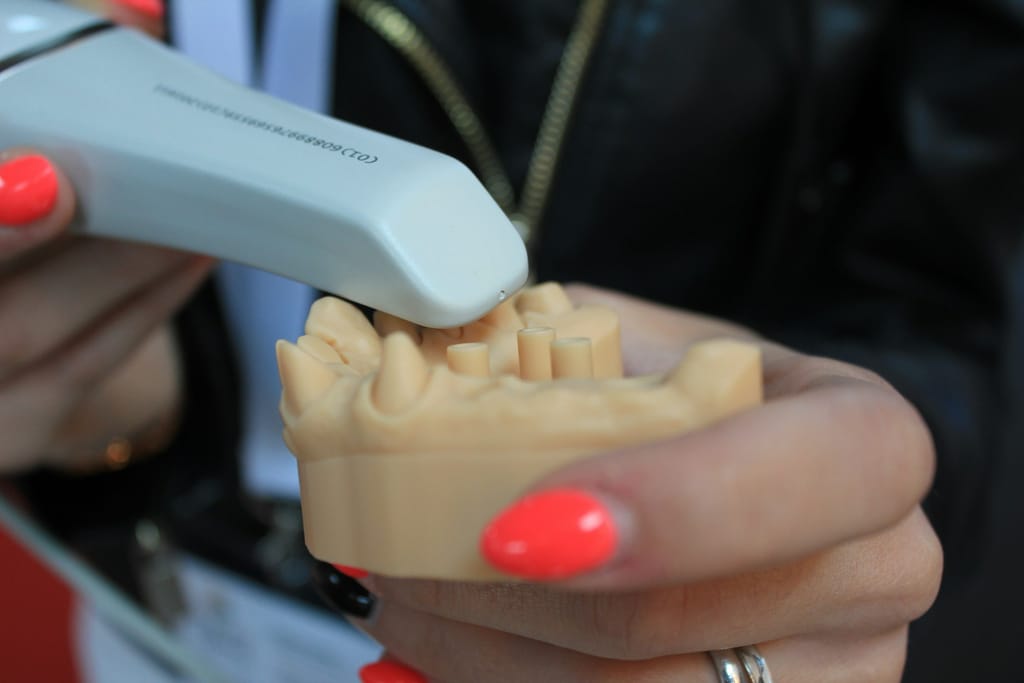
Digital workflow
Digital dentistry
How scanning, computer design and milling connect in restorative care, what they help with and where conventional methods still apply.
Explore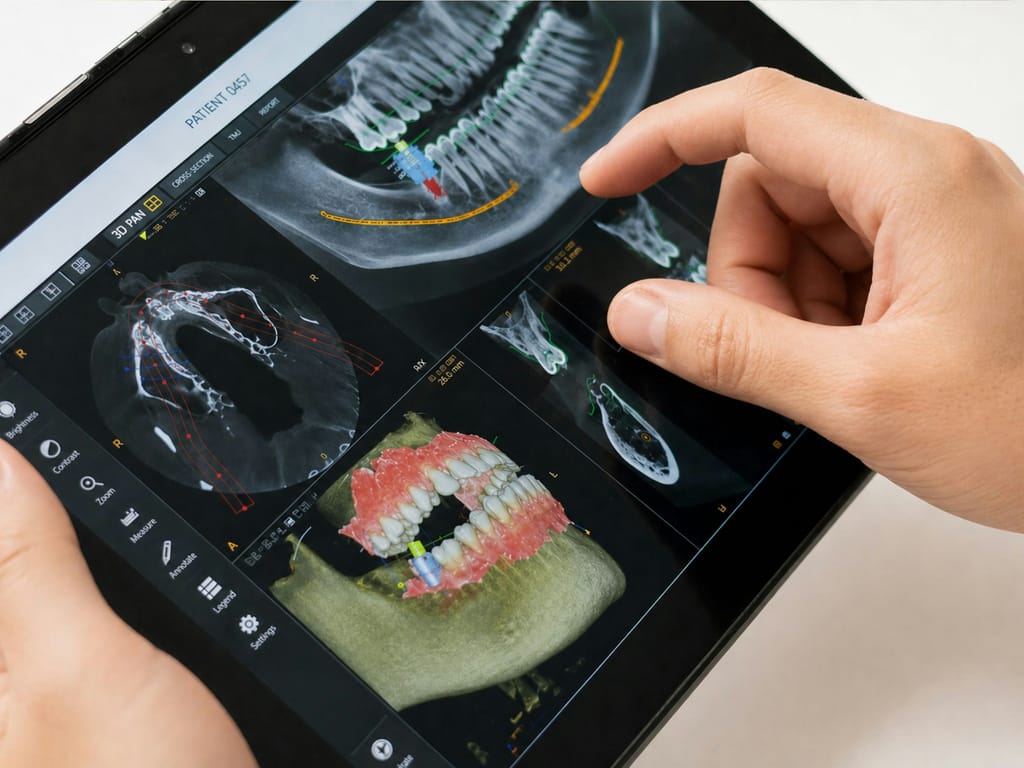
Technology
CAD/CAM
What happens between the scan and the finished restoration: how it is designed on screen, what the design must get right and how it is made.
Explore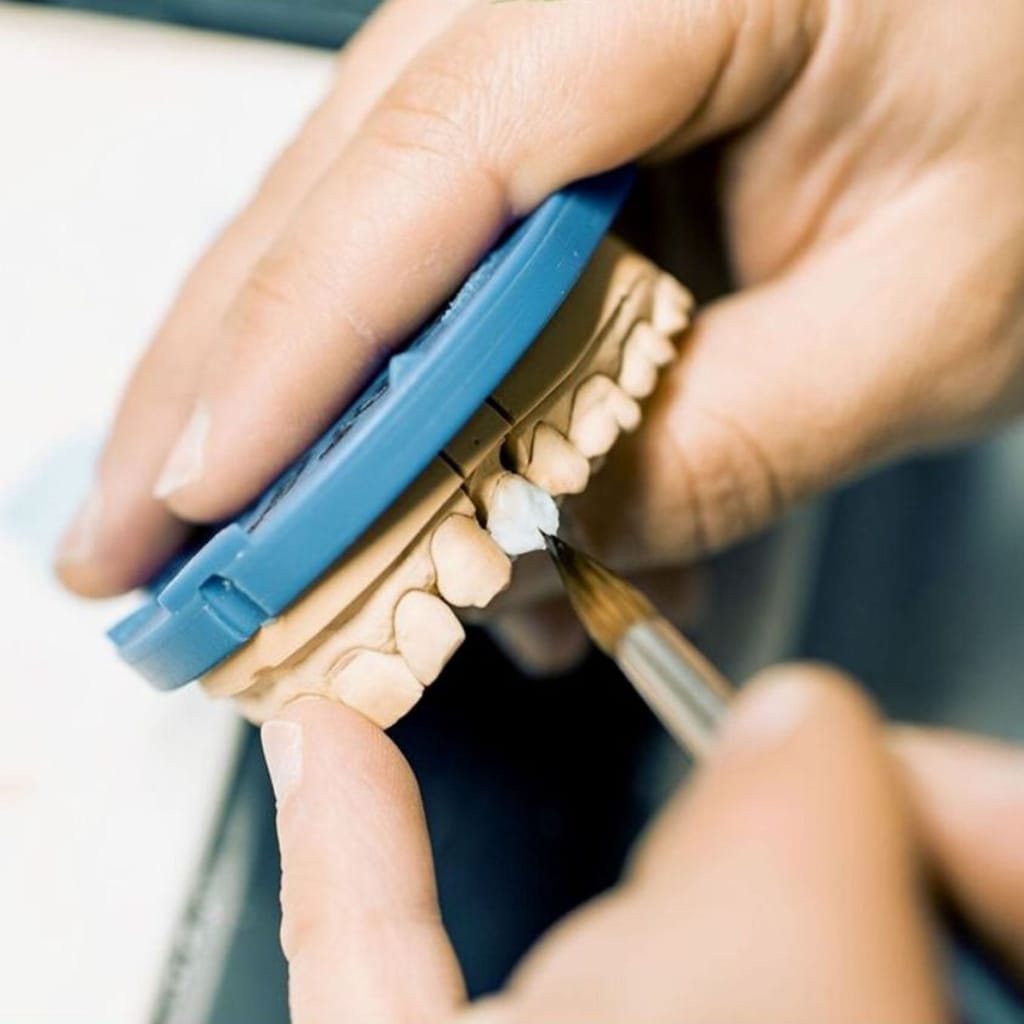
Treatments
Treatments
An overview of veneers, crowns, implant-supported restorations, full-mouth rehabilitation and selected one-visit options.
ExploreNext step