Patient resource
Preparing for your consultation
A consultation is most useful when you arrive knowing what you would like to discuss. This checklist helps you gather your thoughts, questions and records beforehand.

Why preparing helps
A first consultation covers a lot: your concerns, your dental history, an examination and a conversation about possible options. Having your thoughts written down makes it easier to cover what matters to you rather than remembering it on the way home.
You do not need to know which treatment you want, or which material is used for what. That is what the consultation is for. It is more useful to be clear about what you would like to change and what is important to you, such as appearance, comfort or keeping as much natural tooth as possible.
Your consultation checklist
Ticks stay on this page only. Nothing is saved or sent anywhere, and you don't need to give an email address to use or print this list.
What a consultation usually involves
Every consultation is different, but most cover the following.
- A conversation about your concerns and what you hope to achieve
- Your dental and medical history, discussed in person
- An examination of the teeth, gums and bite
- Photographs, X-rays or an intraoral scan where they help answer a specific question
- An explanation of possible options, their limitations and the next steps
How to use the checklist
Tick what applies to you and add notes in your own words. You can print the checklist or save it as a file without entering any personal details on this website.
If you are unsure about an item, leave it. Dr Elchin Abbasov or the team can talk it through with you at the appointment.
Keep medical details for the appointment
When you request a consultation online, the form asks for a few contact details and a short note about your area of interest. Please do not include detailed medical history in the form. Medicines, health conditions and previous treatment are better discussed in person, where they can be recorded properly.
After the consultation
You may leave with a clear plan, or with a set of options to think about. It is reasonable to take time, ask follow-up questions or request written information before deciding.
If same-day treatment is something you are curious about, the guide to understanding same-day care includes questions that can help you discuss it. Same-day restorations are possible in selected cases, following clinical assessment, and complex cases may need more than one appointment.
Questions
Frequently asked
General answers only. Your dentist will explain what applies to you.
Do I need to bring X-rays from my previous dentist?
It is helpful but not essential. Recent X-rays can show how things have changed over time. If you do not have them, any images needed can be discussed at the consultation.
Will I be told what treatment to have at the first visit?
The consultation explains your options, their limitations and what assessment has found. The decision about whether and how to proceed is yours, and you can take time to consider it.
Does the printable checklist send my answers anywhere?
No. The checklist is for your own use. You can print it or save it without entering an email address or any personal details.
Keep reading
Related information
Consultation
Request a consultation
Send a short request and the team will contact you to arrange a consultation time.
Explore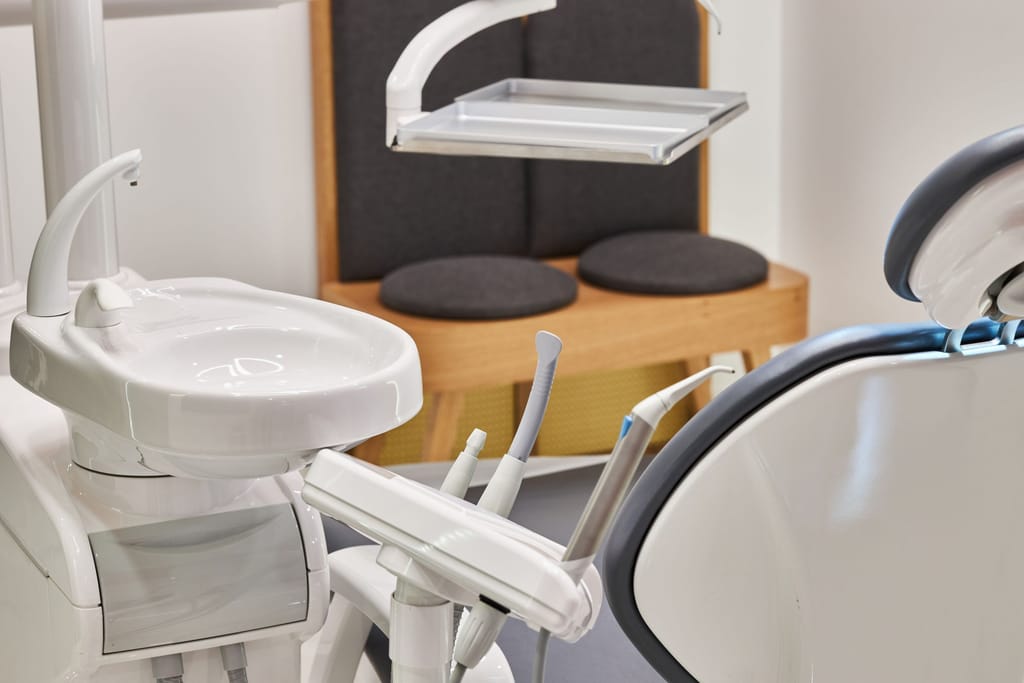
For patients
Patient information
What to bring, what a consultation involves, how to enquire from abroad, and a guide to help you describe your goals.
Explore
Patient resource
Understanding same-day care
What decides whether a restoration can be completed in a single visit, the trade-offs involved and questions to discuss at consultation.
Explore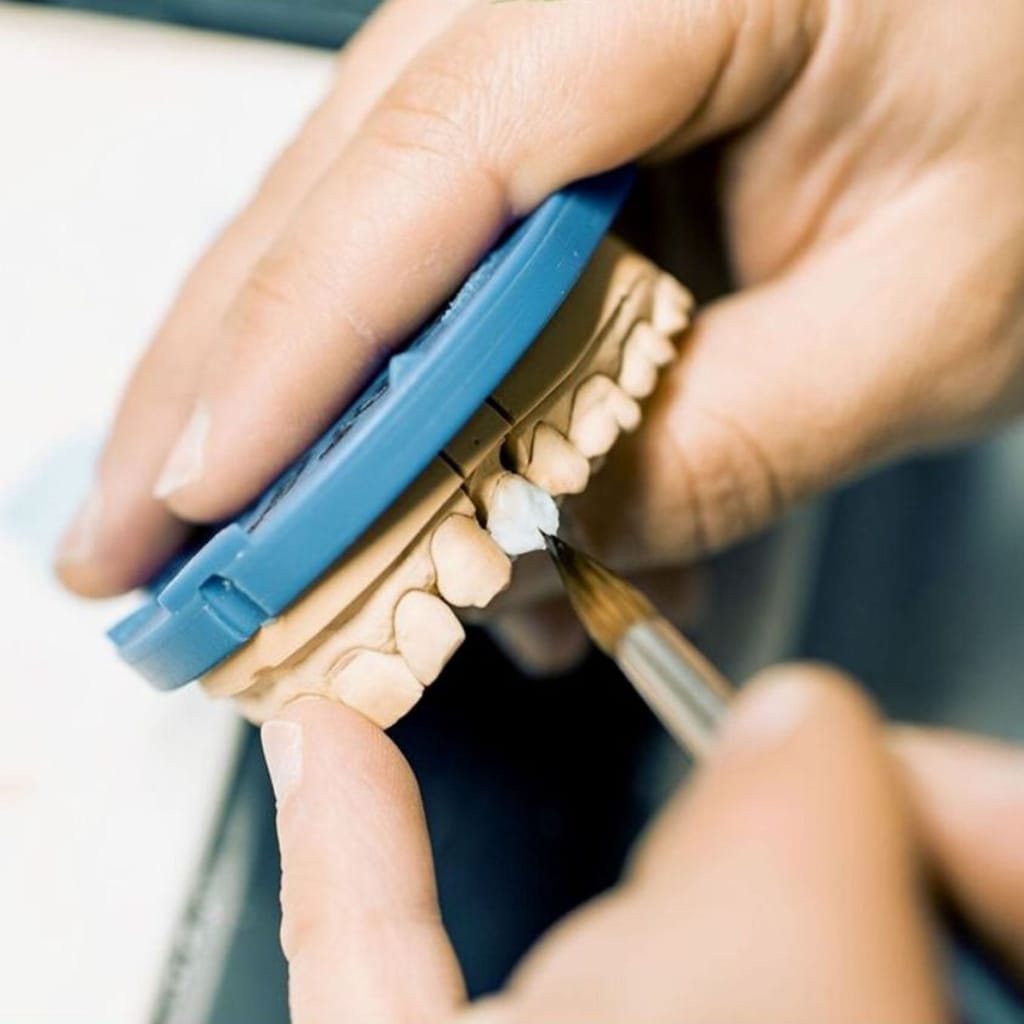
Treatments
Treatments
An overview of veneers, crowns, implant-supported restorations, full-mouth rehabilitation and selected one-visit options.
ExploreNext step