Patient resource
Understanding same-day care
In selected cases, following clinical assessment, a crown or veneer can be designed, made and fitted within a single visit. This guide explains what that decision depends on and why complex cases may need more than one appointment.
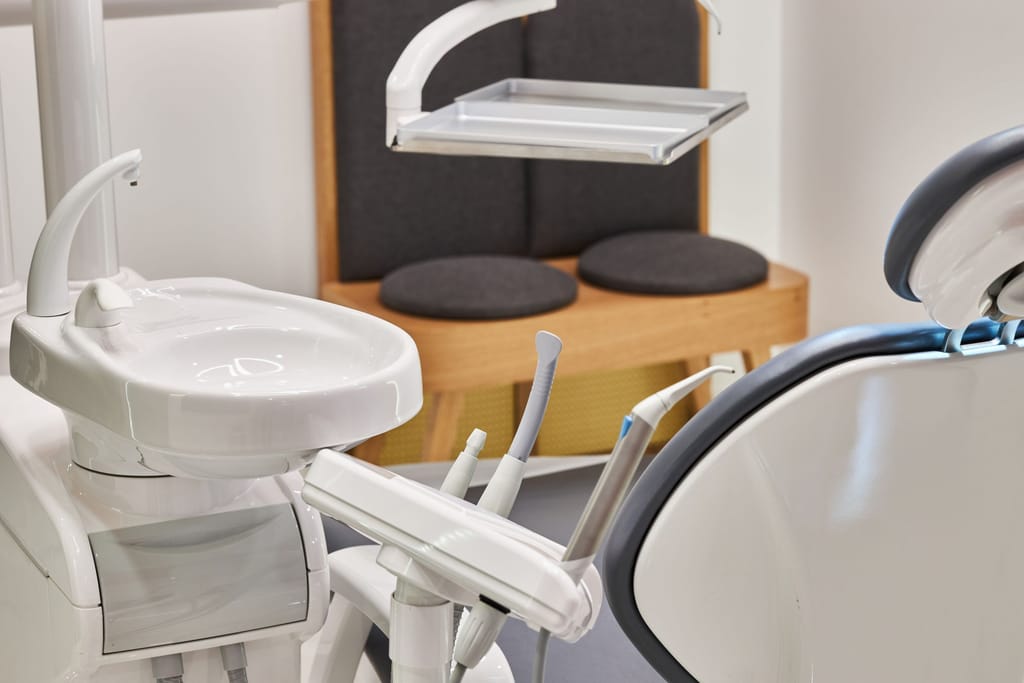
What same-day care means
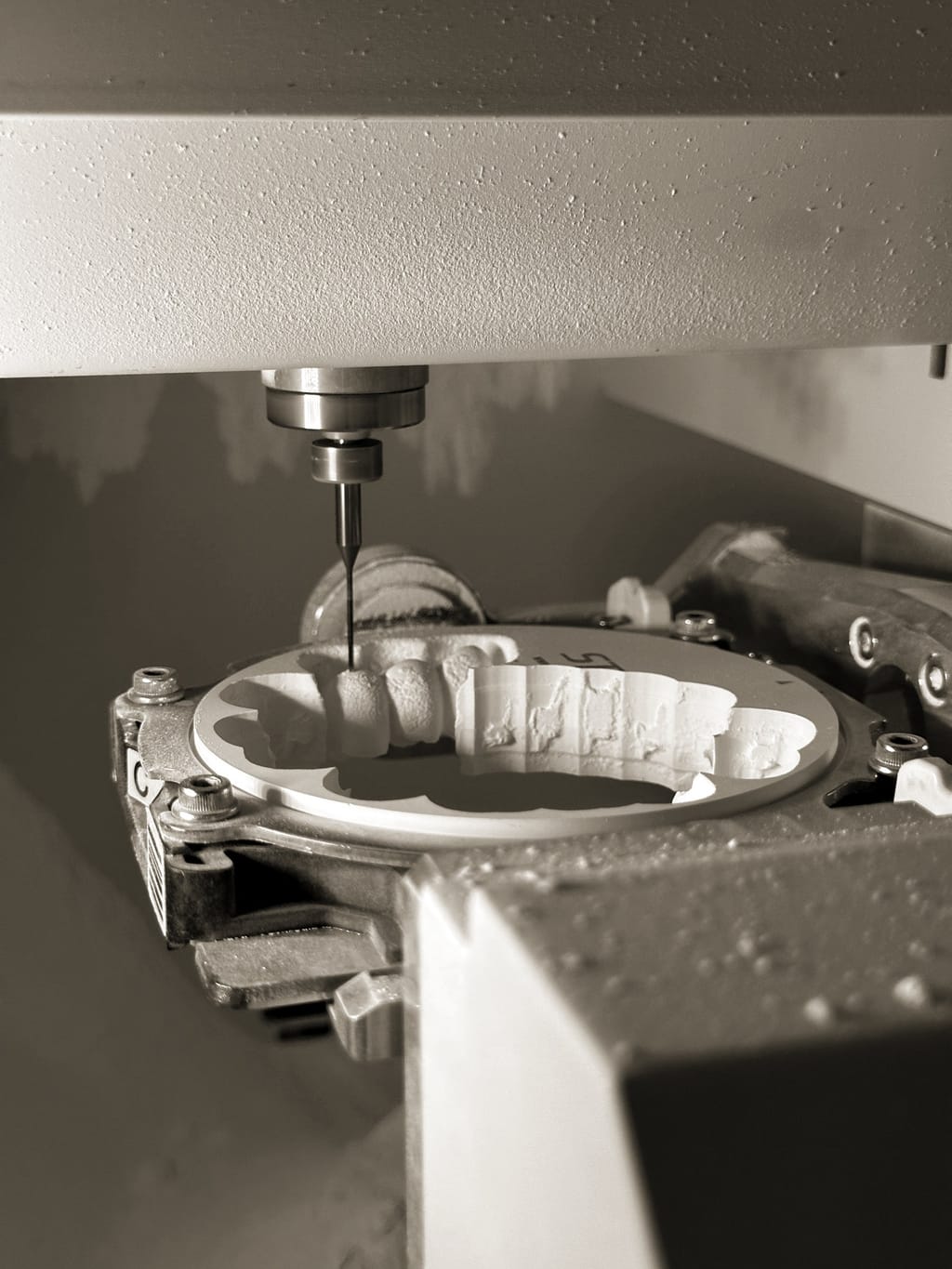
Same-day care describes a restoration that is scanned, designed, milled, finished and fitted within one appointment, using intraoral scanning, CAD/CAM and in-clinic milling. It removes the wait for a laboratory and may remove the need for a temporary restoration in between.
It is offered for selected veneers, crowns and restorative cases, following clinical assessment. Complex cases may need more than one appointment, and that is a normal part of careful planning rather than a lesser option.
Same-day care: questions to discuss
These questions prepare a conversation with your dentist. They are not a test, and answering them here cannot tell you whether one visit would suit you.
- Is my tooth healthy enough to be restored at this visit?Decay, cracks or nerve problems may need treating and monitoring before a final restoration is placed.
- Are my gums settled around the tooth?Inflamed or bleeding gums make accurate scanning and bonding harder and can affect the result.
- Does my bite place heavy forces on this tooth?Grinding, clenching or an uneven bite can influence the material choice and the need for a trial stage.
- Which material is being considered, and can it be finished within the visit?Some materials need firing steps or laboratory layering that change how many appointments are needed.
- How closely does this tooth need to match the teeth around it?Front teeth with complex colour may be better suited to layered laboratory ceramics.
- Is this one tooth on its own, or part of a wider plan?Restorations that are part of larger changes are often planned and fitted in stages.
- Would a trial shape or temporary help before the final restoration?A trial lets you and your dentist assess shape, length and bite before committing to the final version.
- What would happen if the restoration needs adjusting after I leave?Knowing the follow-up arrangement helps you understand how any early changes would be handled.
- What are the alternatives to a same-day restoration in my case?Understanding the conventional route lets you weigh convenience against other clinical considerations.
What the assessment considers
Whether a single visit is clinically appropriate is decided by your dentist after examining you. These are some of the factors involved.
Tooth health
Whether there is active decay, a crack, or a nerve that needs treatment or time to settle first.
Gum condition
Whether the gum around the tooth is healthy enough for an accurate scan and a clean, dry bonding surface.
Bite
How the teeth meet and whether grinding or clenching changes the material or the need for a trial stage.
Aesthetic demands
How much colour depth and character the restoration needs to match neighbouring natural teeth.
Scope of treatment
Whether this is a single tooth or part of a wider plan, such as full-mouth rehabilitation.
Material
Whether the appropriate material can be milled and finished within the practice.
Why some cases take more than one visit
Some teeth need other treatment first, such as managing gum inflammation or monitoring a tooth after deep decay. Others benefit from a trial restoration so you can live with a new shape before it is finalised.
In some aesthetic cases, particularly front teeth, a layered laboratory restoration may be preferred for colour and translucency. Multi-tooth and full-arch work usually involves staged planning. In each of these situations, extra appointments serve the result rather than delay it.
What a same-day appointment may involve
Where a single visit is considered suitable in a selected case following assessment, the appointment typically follows these stages. The time needed varies, and complex cases may need more than one appointment.
Confirming the plan
The tooth, the material and the expected result are reviewed before treatment begins.
Preparing the tooth
The tooth is shaped as planned, preserving as much healthy structure as the restoration allows.
Scanning
The prepared tooth, its neighbours and the bite are recorded digitally.
Design and milling
The restoration is designed on screen, then milled from a ceramic block.
Finishing
The restoration is adjusted, characterised where needed and glazed, fired or polished.
Fitting
Fit, bite and colour are checked before the restoration is bonded or cemented.
Clinical and technical views on a single visit
Dr Elchin Abbasov approaches the one-visit question from both his clinical and his dental technology training.
Clinical view The dentist
- A single visit is appropriate when the tooth and gum are ready for a final restoration now.
- Bite forces and habits are considered before deciding whether a trial stage would be wiser.
- Your priorities, including convenience, are part of the discussion but not the deciding factor alone.
Technical view The technician
- The chosen ceramic must achieve the required strength and colour from a single block.
- Finishing steps such as crystallisation firing or glazing must suit the material.
- Where layered ceramics would give a more natural result, a laboratory route is discussed.
How to use the discussion guide
The questions on this page are a starting point for a conversation with your dentist. They are not a test and cannot tell you whether a single visit is suitable for you. That depends on a clinical examination and is decided together at consultation. You may find the consultation checklist useful alongside it.
Questions
Frequently asked
General answers only. Your dentist will explain what applies to you.
Is a same-day restoration lower quality than a laboratory one?
Not inherently. Quality depends on the diagnosis, preparation, design, material and fit. In selected cases a milled restoration is appropriate; in others a laboratory restoration may be preferred.
Can I ask for same-day treatment?
You can certainly raise it. Whether it is clinically appropriate is decided following assessment, and complex cases may need more than one appointment. Your dentist will explain the reasons either way.
Will I need a temporary restoration?
When a restoration is completed in a single visit, a temporary may not be needed. If your treatment takes more than one appointment, a temporary may be used to protect the tooth in between.
Keep reading
Related information
Same-day care
Same-day dentistry
How a one-visit restoration can work in selected cases, what decides suitability, and when more than one appointment is the sensible plan.
Explore
Same-day treatment
Same-day crowns
When a crown may be prepared, milled and fitted in one visit, what has to be checked first, and why some teeth need more appointments.
Explore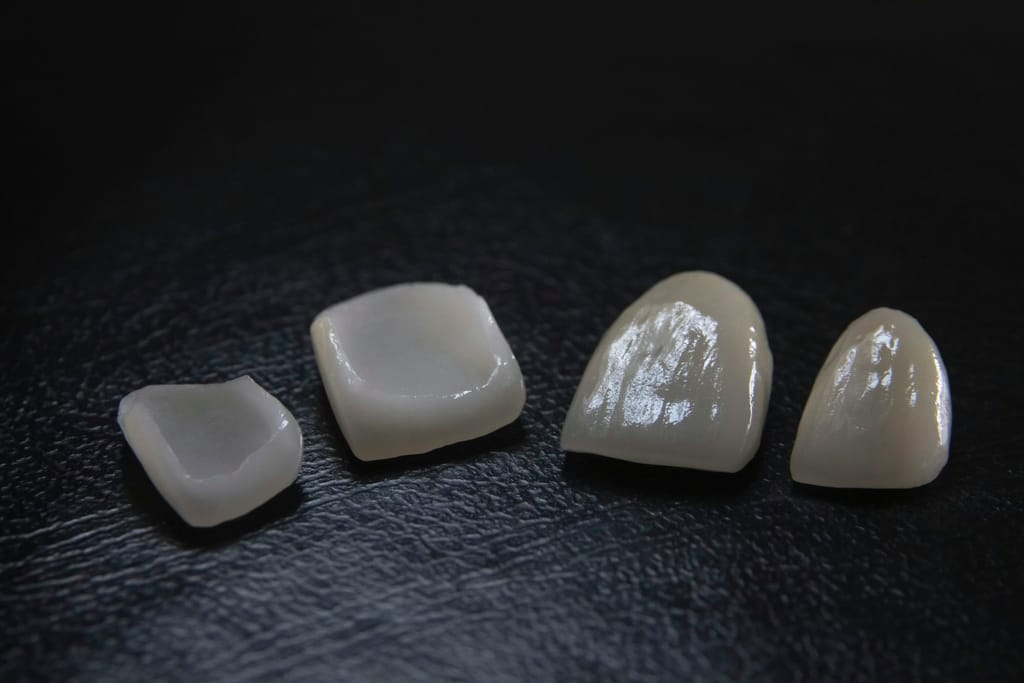
Same-day treatment
Same-day veneers
Who may be considered for a one-visit veneer, what has to be decided first, and when a second appointment is the better plan.
Explore
Technology
In-clinic milling
How a crown or veneer is milled from a ceramic block and finished within the practice, and when laboratory work may be the better route.
ExploreNext step