Same-day care
Same-day restorations, when clinically appropriate.
Selected veneers and crowns may be designed, fabricated and fitted in one visit following clinical assessment. Complex cases may need more than one appointment, and the plan follows what the tooth needs rather than the clock.
What same-day means here
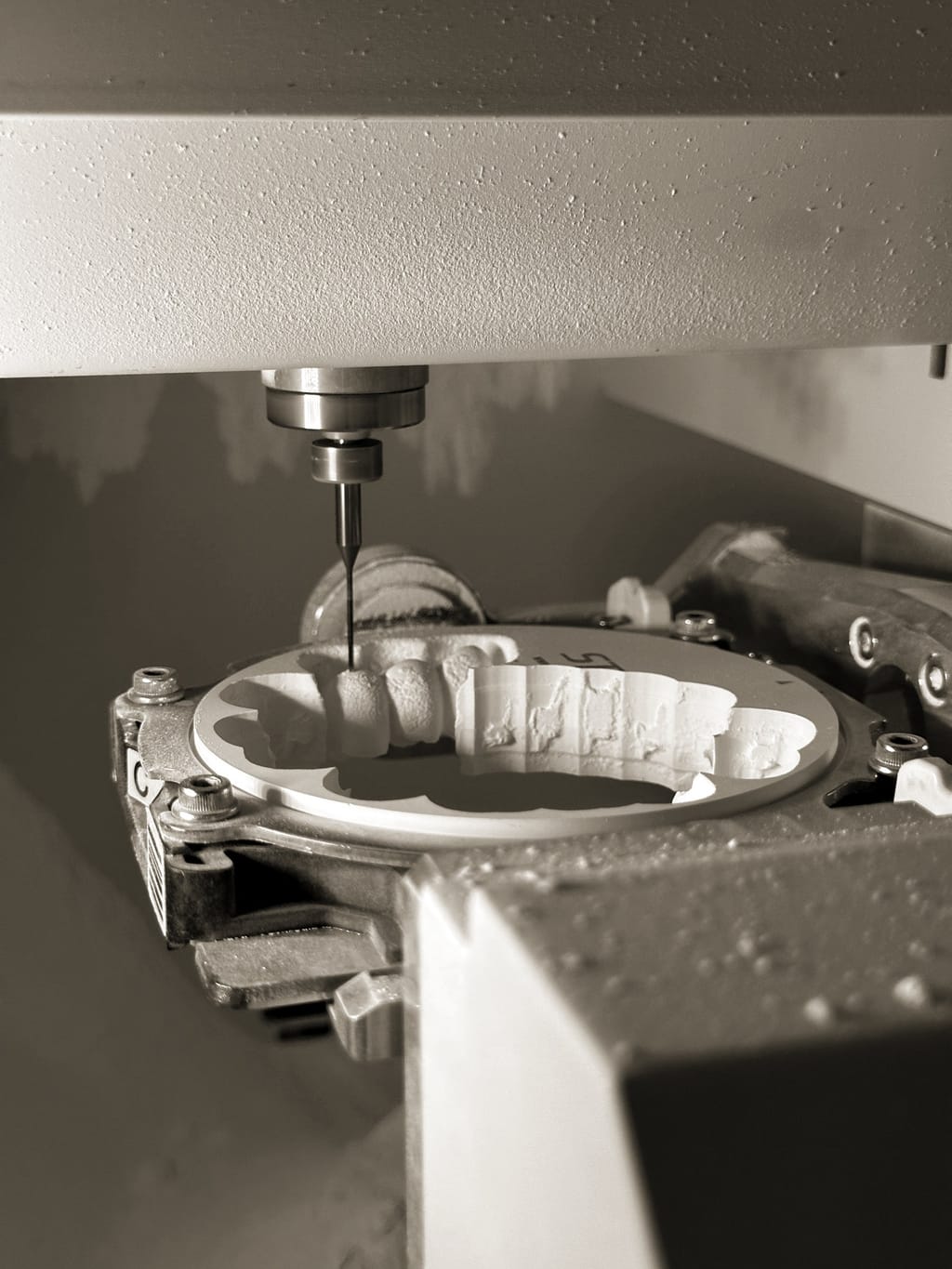
Same-day dentistry describes a way of working in which a restoration is designed and made in the clinic rather than sent to an external laboratory. In selected cases, following clinical assessment, a crown or veneer can be scanned, designed, milled, finished and fitted within a single appointment. Complex cases may need more than one appointment.
It is a workflow, not a treatment in its own right. The clinical questions about the tooth, the bite and the gums stay the same; what changes is where and how the restoration is made.
Dr Elchin Abbasov is a DHA-licensed General Dentist in Dubai who trained and worked as a dental technician before qualifying as a dentist. That background matters here: when design and fabrication happen in the clinic, the person planning the tooth is also thinking about how the ceramic will be shaped, how thick it can be and how it will be finished.
How a one-visit pathway can work
Where a case is judged suitable after clinical assessment, the appointment generally follows these stages. If any stage shows the case is more involved than expected, the plan can change to more than one appointment.
Assessment and preparation
The tooth, gums and bite are examined and any preparation of the tooth is carried out. This is where suitability is confirmed or reconsidered.
Intraoral scan
A small handheld scanner records the prepared tooth, its neighbours and the opposing teeth as a 3D digital model, replacing conventional impression material in many cases. More on intraoral scanning.
Digital design
The restoration is designed on screen using CAD (computer-aided design): its shape, its contacts with neighbouring teeth, how it meets the bite and its margins, the edge where restoration meets tooth.
In-clinic milling
A milling unit shapes the restoration from a solid block of ceramic or composite material, following the digital design. More on in-clinic milling.
Finishing
The restoration is tried in, adjusted and finished. This may include staining, glazing or polishing to bring its colour and surface closer to the natural teeth.
Fit and review
It is bonded or cemented, the bite is checked and refined, and a review is arranged so the restoration and the gums around it can be checked once settled.
What decides whether one visit is suitable
Suitability is decided case by case after clinical assessment. No single factor settles it, and your dentist will explain how each applies to you.
Oral health
Gums need to be healthy, and any decay or infection treated first. Active problems usually come before any new restoration.
Complexity
One or two teeth with a clear plan is a different question from several teeth that need to work together in the bite.
Restorative needs
How much tooth structure remains, where the margins need to sit and how the bite loads the tooth all shape the plan.
Material
Some materials suit chairside milling well. Others, such as hand-layered ceramics for highly characterised front teeth, are usually made in a laboratory over more than one visit.
Workflow
Some cases benefit from a trial phase, a temporary restoration or time to see how the gums respond before the final restoration is made.
What is not routinely same-day
Some treatments usually need more than one appointment because of what they involve, not because of the technology available.
- Full-mouth rehabilitation, where many teeth and the bite are planned and rebuilt together
- Teeth that need gum treatment, root canal treatment or other care before a restoration can be made
- Many implant cases, where healing around the implant comes before the final restoration
- Cases where a new bite needs to be tested with a trial restoration before the final design
- Front-tooth work that calls for layered ceramics or a staged shade match
Same-day treatments and further reading
Same-day veneers
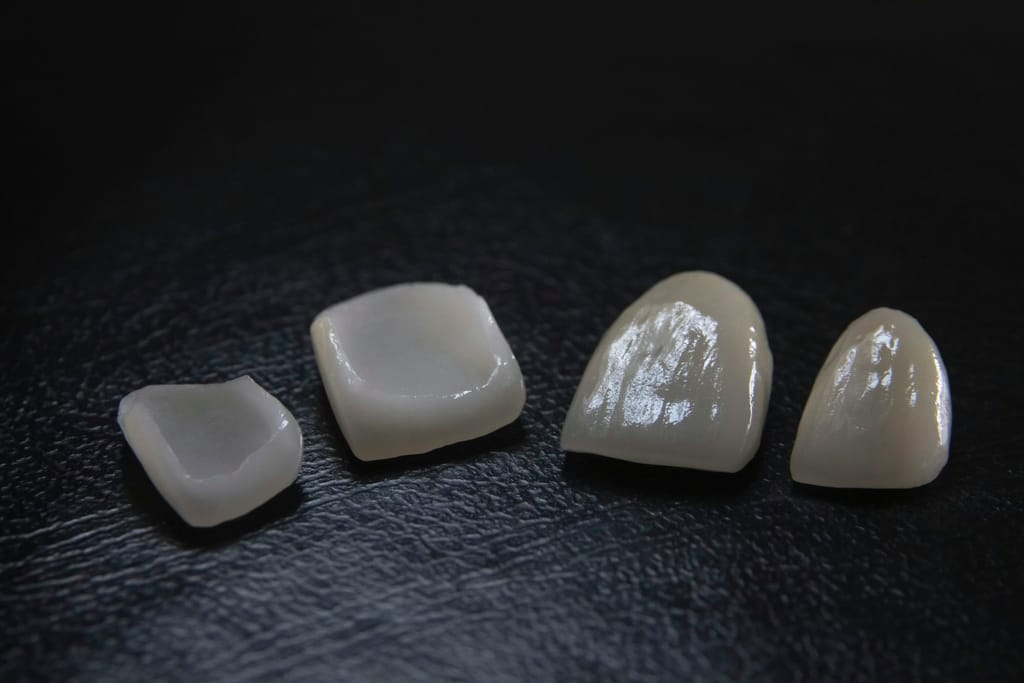
The one-visit planning question for veneers: who may be considered after assessment, what must be decided first and when a second visit may still be sensible. Read about same-day veneers.
Same-day crowns
Whether a crown can be completed in one visit in selected cases, and why root or gum treatment, deep margins or several linked teeth may mean more appointments. Read about same-day crowns.
Understanding same-day care
What happens on the day, what can change the plan and how to prepare. Read understanding same-day care.
An important qualification
Selected veneers and crowns may be designed, fabricated and fitted in one visit following clinical assessment. This is not available for every patient or every tooth, and complex cases may need more than one appointment. Your dentist will explain whether a one-visit approach is realistic for you once your teeth, gums and bite have been examined.
Why more than one appointment is sometimes the better plan
A second appointment is not a failure of the workflow. It can allow the gums to settle, give time to live with a trial shape, or let a technician layer ceramic by hand for a tooth that needs subtle colour and translucency.
In selected cases, one visit is appropriate after clinical assessment; in others, spreading the work out gives a more predictable result.
If you are considering a same-day restoration, it helps to arrive with your questions and any recent dental records. The guide to preparing for a consultation explains what is useful to bring.
Questions
Frequently asked
General answers only. Your dentist will explain what applies to you.
Can every crown or veneer be done in one visit?
No. Selected crowns and veneers may be completed in one visit following clinical assessment. Complex cases, and cases where gum or root treatment is needed first, may need more than one appointment.
Is a same-day restoration less durable than one made in a laboratory?
Durability depends on the material, the design, the bite and how the restoration is cared for, rather than on where it was made. Your dentist will discuss the materials suited to your case and their limitations.
Will I need a temporary restoration?
Where a selected case is completed in one visit following clinical assessment, a temporary is usually not needed for that tooth. If the case needs more than one appointment, a temporary may be used in between. Your dentist will explain which applies.
How do I find out whether a one-visit approach could suit me?
Through a consultation and clinical examination. Suitability cannot be judged from photographs or a description alone. You can request a consultation to begin that conversation.
Keep reading
Related information
Same-day treatment
Same-day veneers
Who may be considered for a one-visit veneer, what has to be decided first, and when a second appointment is the better plan.
Explore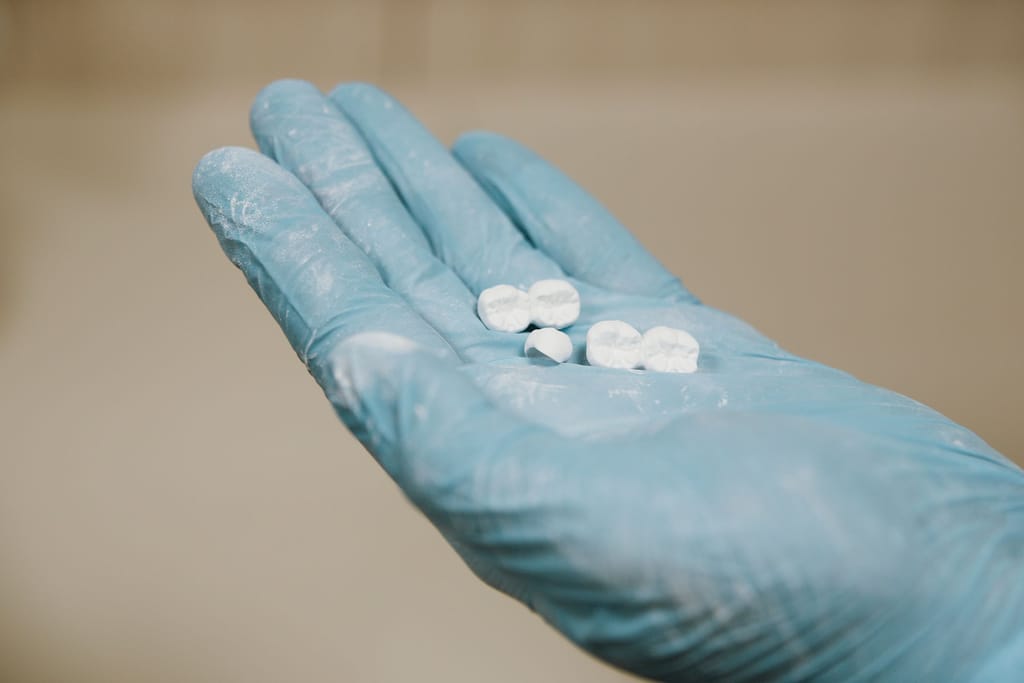
Same-day treatment
Same-day crowns
When a crown may be prepared, milled and fitted in one visit, what has to be checked first, and why some teeth need more appointments.
Explore
Technology
In-clinic milling
How a crown or veneer is milled from a ceramic block and finished within the practice, and when laboratory work may be the better route.
Explore
Patient resource
Understanding same-day care
What decides whether a restoration can be completed in a single visit, the trade-offs involved and questions to discuss at consultation.
ExploreNext step