Comprehensive care
Full-mouth rehabilitation
Full-mouth rehabilitation is a planned, staged approach to restoring the health, function and appearance of the teeth when many of them are affected. It is built in phases over time rather than completed at once.
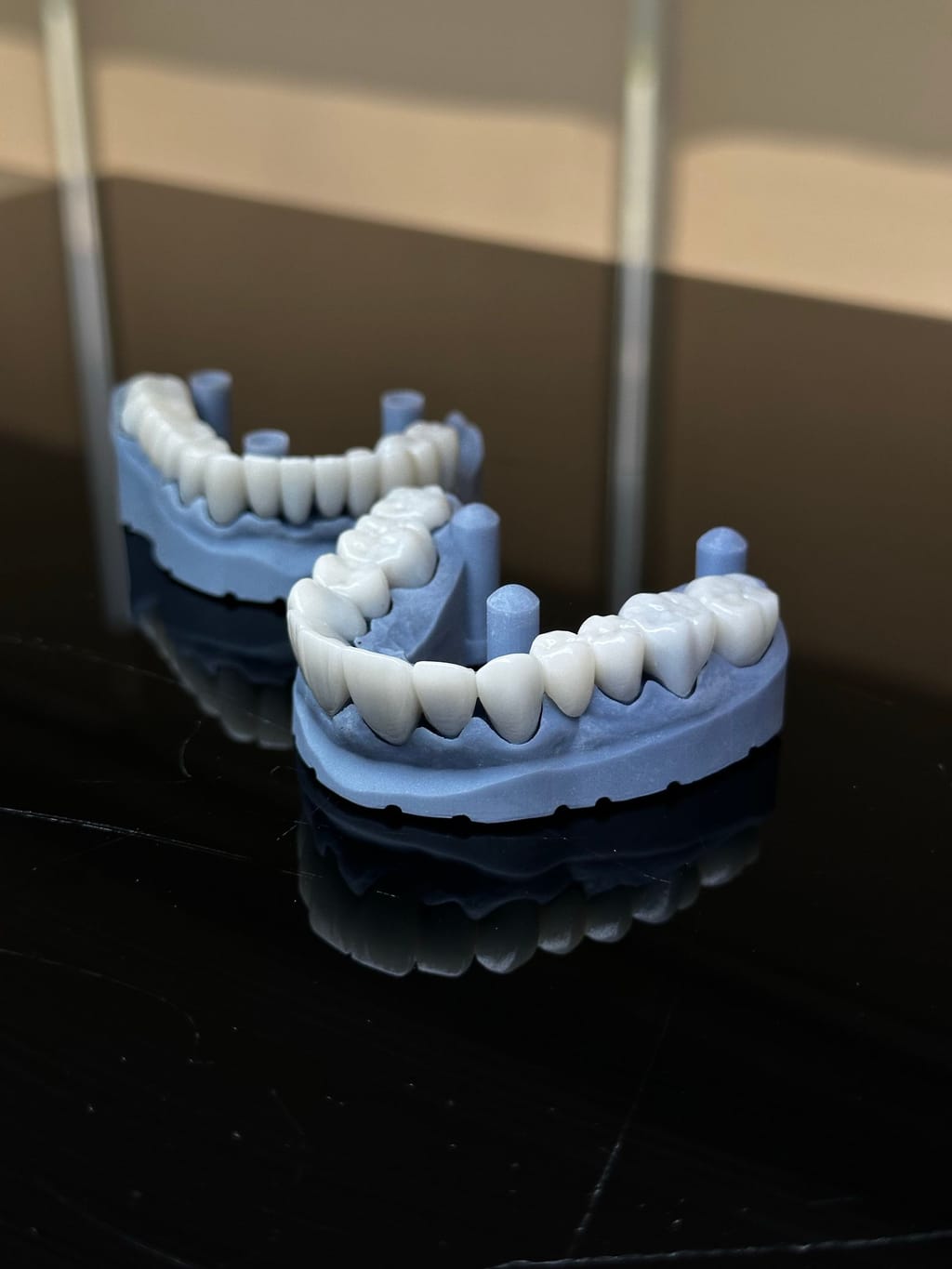
What full-mouth rehabilitation means
Full-mouth rehabilitation, sometimes called full-mouth reconstruction, is not a single procedure. It is a coordinated plan that may combine several treatments, such as crowns, veneers, implant-supported restorations, gum treatment and replacement of failing fillings, so that the result works as one system.
It is generally considered when problems affect many teeth at once: widespread wear from grinding or acid erosion, multiple broken or heavily restored teeth, missing teeth, or a bite that has changed over the years. In these situations, treating one tooth at a time can leave a mouth that never quite settles.
The aim is a stable, comfortable bite, healthy gums and an appearance that suits the person, reached through a sequence that protects the work already done.
What a comprehensive assessment covers
Because so much is involved, the assessment is more detailed than for a single restoration. Dr Elchin Abbasov considers:
Gum and bone health
Gum disease needs to be controlled before restorations are placed, and bone levels affect which options are realistic.
The bite
How the jaws meet, how the teeth guide jaw movement, and whether there are signs of grinding, clenching or jaw discomfort.
Wear and its cause
Whether wear comes from grinding, acid erosion, diet or reflux, since the cause needs managing for new restorations to last.
The outlook for each tooth
Which teeth can be kept predictably, which need treatment first and which may need to be replaced.
Facial and smile proportions
Tooth length, lip support and how much of the teeth shows at rest and when smiling.
Health, priorities and practicalities
General health, what matters most to you, and how treatment can be phased around your life.
How a rehabilitation is staged
Every plan is different, but most follow a broadly similar progression. Each phase is reviewed before the next begins, and the overall timeline depends on the case.
Records and diagnosis
Examination, X-rays, photographs, intraoral scans and bite records to build a complete picture.
Stabilisation
Treating active problems first: decay, gum disease, infection and teeth that cannot be kept.
Design and trial
The proposed tooth shapes and bite are planned digitally, often using digital smile design, then tested in temporary restorations that you wear and evaluate before anything final is made.
Implant phase, where planned
If missing teeth are to be replaced on implants, placement by a suitable clinician and the healing period are scheduled within the overall plan.
Definitive restorations
Final crowns, veneers or implant restorations are made and fitted, often in segments, following the bite that was confirmed during the trial phase.
Protection and maintenance
A night guard may be discussed where grinding is a factor, followed by regular reviews and hygiene visits.
Alternatives and limitations
A full rehabilitation is a significant undertaking, and it is not the right approach for everyone. Your dentist may also discuss:
Phased or limited treatment
Addressing the most urgent or important areas first and monitoring the rest, which spreads the commitment over time.
Additive approaches
Building up worn teeth with composite resin, which can involve less tooth preparation, though it may need more maintenance.
Removable options
Partial or full dentures, including dentures retained by implants, where fixed restorations are not suitable or not preferred.
Prevention and monitoring
Where problems are early and stable, managing their causes and reviewing regularly may be a reasonable course.
How appointments are planned
Full-mouth rehabilitation is completed over a series of appointments, often across several months, and longer when implants or gum treatment are involved. Some visits are short reviews; others are longer sessions for preparation or fitting.
The number of visits varies with how many teeth are involved, how much stabilisation is needed first, healing times and how long the trial restorations are worn. Your dentist will set out the phases and what each involves before treatment begins, so that you can plan around them.
Digital tools such as CAD/CAM design and in-clinic milling can make individual steps more efficient, for example when producing trial or selected final restorations. They do not remove the need to stage a comprehensive plan.
Where the clinical and technical views must agree
A rehabilitation is where a dentist's reasoning and a technician's reasoning have to align most closely. With training in both, Dr Abbasov reads the plan as a clinical sequence and as a set of restorations that must work together.
Clinical view The dentist
- Vertical dimension: the distance between the jaws when the teeth are together, which can reduce with wear and may be restored gradually and tested before it is finalised.
- Jaw comfort: whether the jaw joints and chewing muscles are comfortable in the proposed bite, checked during the trial phase.
- Guidance: how the front teeth and canines guide the jaw in sideways and forward movements, which helps protect back teeth from damaging forces.
- Biological sequence: treating gum disease and infection before definitive work, and allowing healing between phases.
- Foundations: deciding which teeth are reliable enough to support the plan, and which are uncertain.
Technical view The technician
- Transferring the trial: carrying the shapes and bite tested in temporaries accurately into the final restorations, often through matched digital records.
- Material mapping: choosing materials tooth by tooth according to load and appearance, while keeping colour and surface consistent across the smile.
- Space and thickness: confirming each restoration has enough room for its material once the new bite is set.
- Segmenting the work: designing restorations in groups that can be fitted in sequence without losing the agreed bite.
- Repairability: favouring designs that can be repaired or replaced individually, rather than as one large piece, where the case allows.
Risks, limitations and maintenance
Comprehensive treatment carries the combined risks of the procedures it includes. Your dentist will explain the risks relevant to you. In general terms:
- Treatment involves a significant commitment of time and appointments, and the plan may need to adapt as it progresses.
- Teeth that are prepared for restorations cannot return to their original state.
- Adapting to a changed bite can take time, which is one reason the trial phase matters.
- Restorations can chip, loosen or need replacing, and grinding increases these risks.
- Long-term results depend on home care, managing the cause of earlier damage and regular reviews. See caring for restorations.
Questions you may want to ask
A comprehensive plan is easier to follow when you understand its order and its reasoning. The guide to preparing for a consultation has more.
- Which problems need treating first, and why?
- How will the plan be phased, and what happens at each stage?
- Will I be able to try the proposed shapes and bite before the final restorations are made?
- Which teeth are you confident about keeping, and which are uncertain?
- If implants are part of the plan, who will place them and how will that be coordinated?
- What will long-term maintenance involve?
Questions
Frequently asked
General answers only. Your dentist will explain what applies to you.
Can full-mouth rehabilitation be completed in a single appointment?
No. A comprehensive rehabilitation is staged over a series of appointments so that each phase can heal, be tested and be reviewed before the next. Digital workflows may shorten some individual steps, but the overall plan takes time.
How do I know whether I need full-mouth rehabilitation?
You do not need to decide that yourself. If many teeth are worn, broken, missing or uncomfortable, an assessment can show whether a comprehensive plan, a more limited plan or monitoring may be appropriate.
Is it all done with crowns?
Not necessarily. A plan may combine crowns, veneers, onlays, composite build-ups, implant-supported restorations and gum treatment, chosen tooth by tooth according to what each needs.
Will my bite feel different?
It may, particularly if the bite is being restored after wear. Testing the new bite in temporary restorations first allows comfort, speech and appearance to be checked and adjusted before final work is made.
Can treatment be spread out?
Often, yes. Plans can be phased to manage time and commitment, provided the sequence still protects the work already done. Your dentist will discuss what can safely wait.
Keep reading
Related information
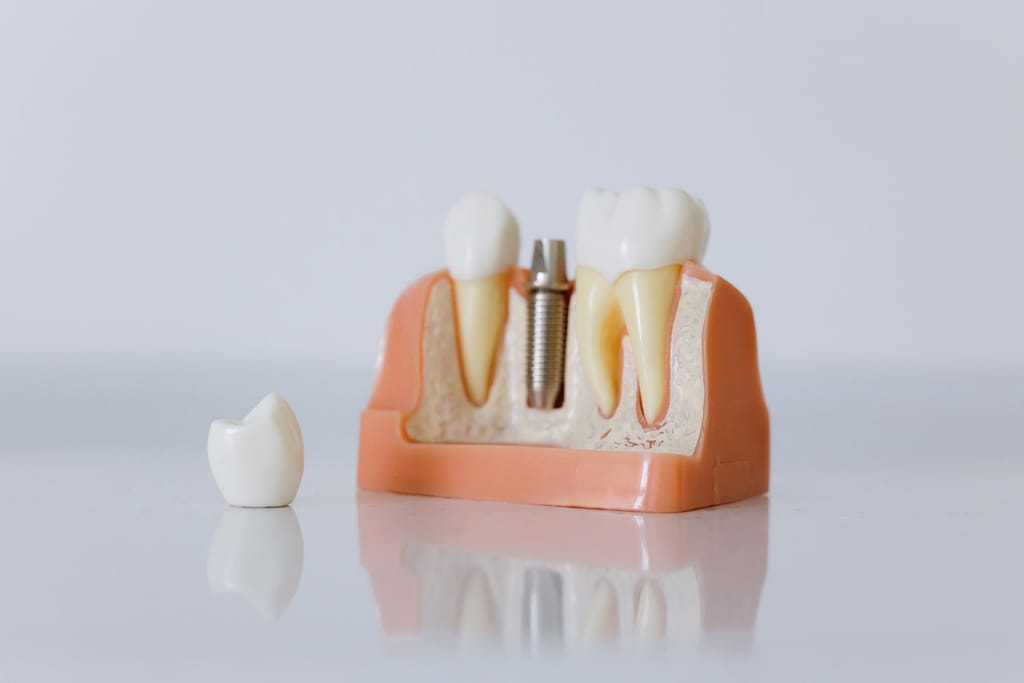
Restorative treatment
Implant-supported restorations
The crowns, bridges and prostheses that attach to dental implants, planned with the final teeth in mind from the start.
Explore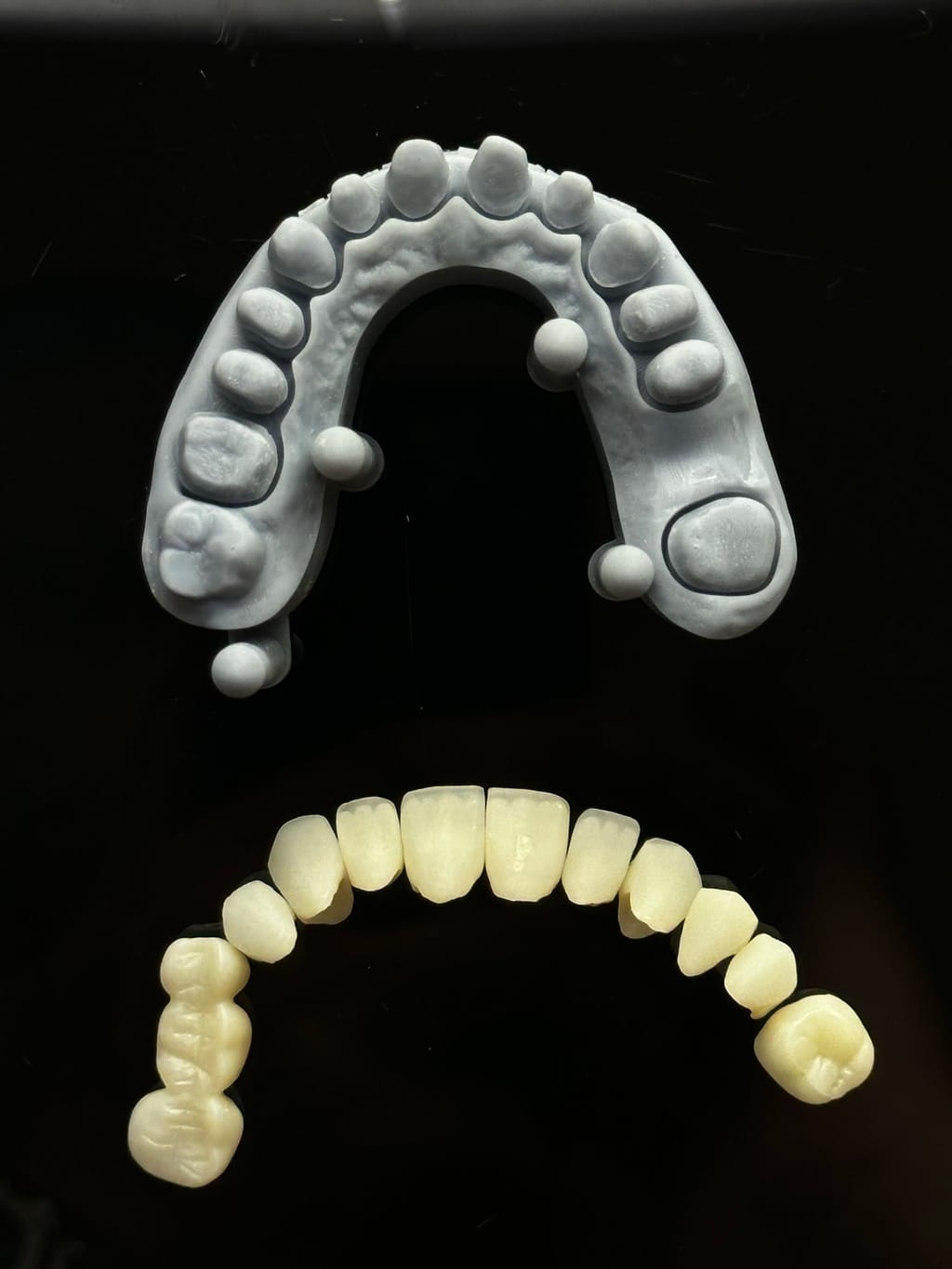
Restorative treatment
Dental crowns
Restorations that cover the whole visible tooth, often discussed when decay, fracture or large fillings have weakened it.
Explore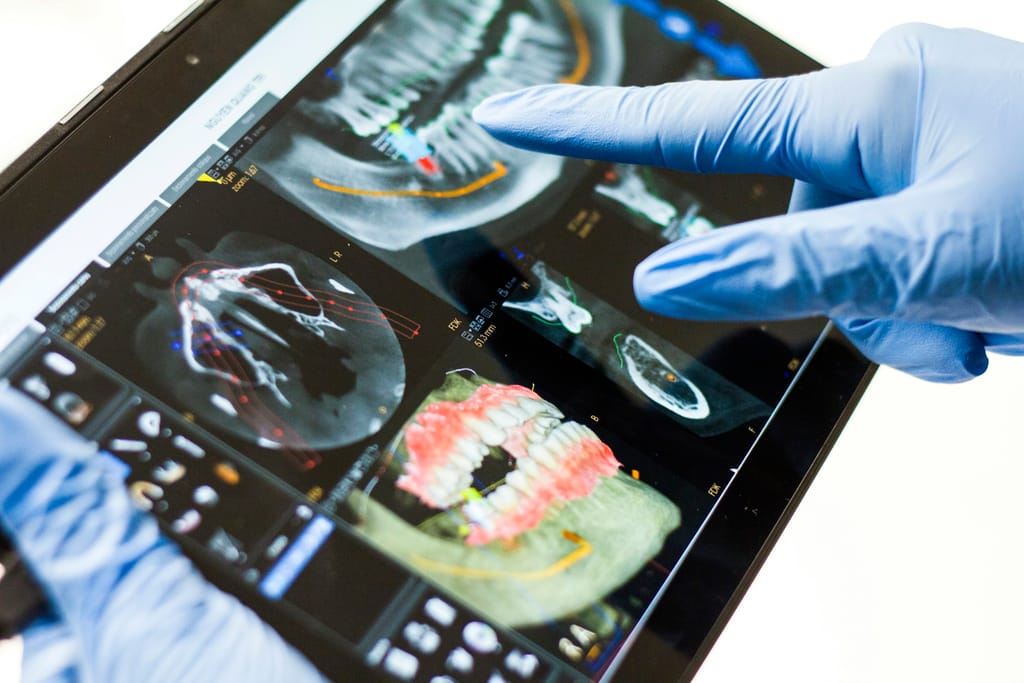
Treatment planning
Digital smile design
How photographs, scans and smile proportions are used to plan and preview changes before treatment, and what a preview can and cannot show.
Explore
Approach
Clinical and technical approach
How clinical judgement and technical knowledge meet at every stage of a restoration, from first assessment to final fitting.
ExploreNext step